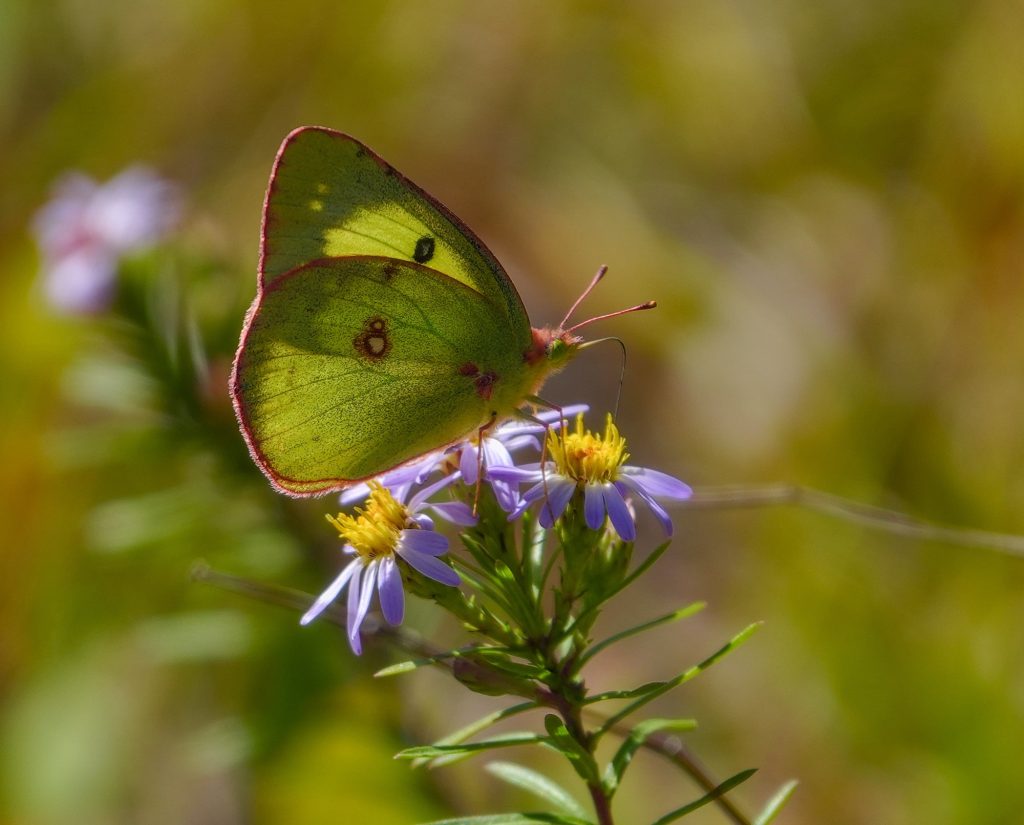
Clouded Sulphur Butterfly: Kennebunk Plains Nature Conservancy, West Kennebunk, Maine, September 2026 — not your conventional pose but effective, I think. Kind of mysterious. Not an uncommon butterfly, but still a beauty. Sony RX10 V at 600mm equivalent. My birds and wildlife Mode. Processed in Photomator.
Clouded Sulphur Butterfly: Kennebunk Plains Nature Conservancy, West Kennebunk, Maine, September 2026 — not your conventional pose but effective, I think. Kind of mysterious. Not an uncommon butterfly, but still a beauty. Sony RX10 V at 600mm equivalent. My birds and wildlife Mode. Processed in Photomator.
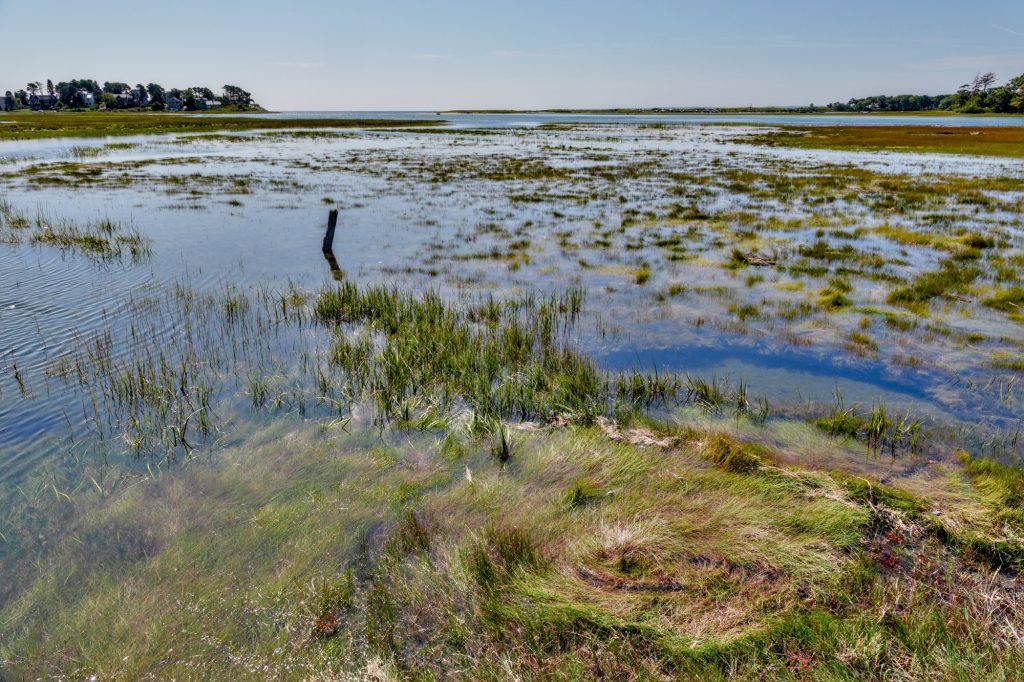
Perhaps another in my series of pictures of nothing. Flood tide on the marsh along the lower Mousam River in Kennebunk, Maine, USA, September 2026. Sony RX10 V at 24mm equivalent. My custom Landscape mode. Processed in Photomator.
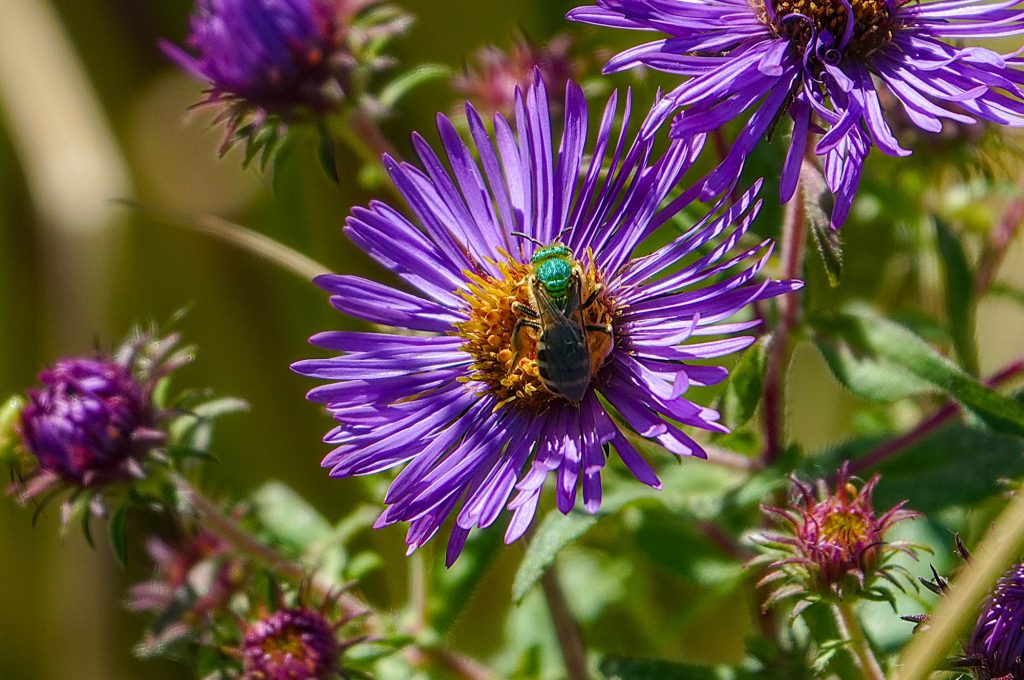
Green Metallic Sweat Bee in tall Aster: Kennebunk, Maine, September 2026 — Among the bees, I really appreciate the small green metallic bees. The green is just so vivid, and they are so small! (Of course, I appreciate Honey Bees for other reasons, and Bumblebees have their own charm, and even wasps have their attractions.) Late afternoon light. Sony RX10 V at 600mm equivalent. Cropped to 1200mm effective field of view (5mp). My birds and wildlife mode. Processed in Photomator.
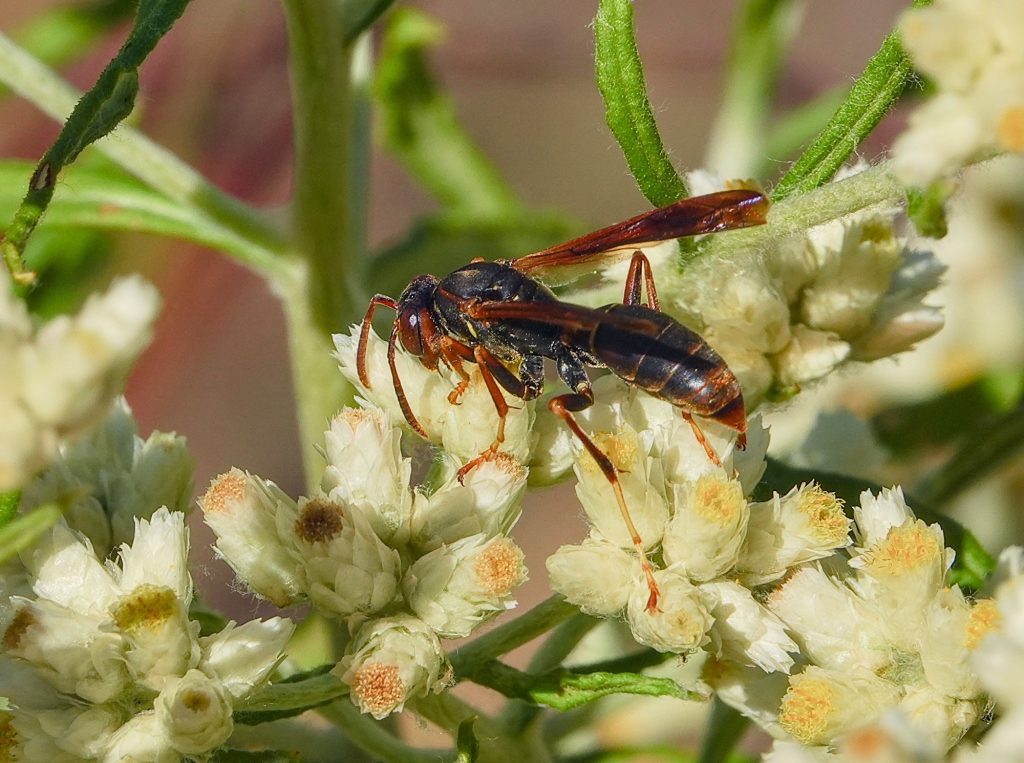
Northern Paper Wasp: Kennebunk Plains Nature Conservancy, West Kennebunk, Maine, USA, September 2026 — it was the Sweet Everlasting that caught my eye. A single plant along the trail on the Plains. Only when I stopped to photograph it did I see the wasp. Enjoying the Sweet Everlasting just as much as I did, maybe more. Sony RX10 V at 600mm equivalent. Cropped to about 1200mm equivalent. My birds and wildlife mode. Processed in Photomator.
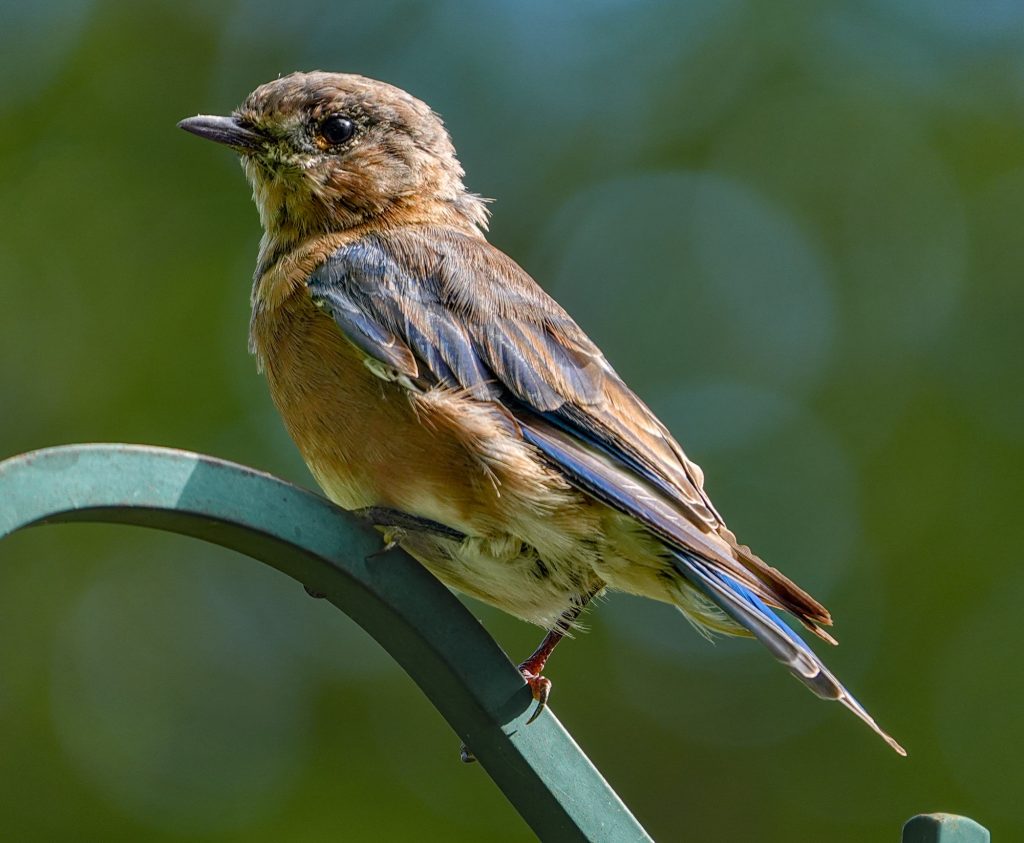
Eastern Bluebird: Kennebunk, Maine, USA, September 2026 — We have fledglings from at least 3, maybe 4, broods coming to our mealworms this week. It is unlikely they are all from one family. I looked it up, and this time of year the fledglings tend to gang up and hang out together during the day, while still roosting with their individual parents. Kind of like teenagers. This one, by plumage, must be from the first brood of the season. Sony RX10 V at 600mm equivalent from about 12 feet. Cropped to about 1000mm effective field of view. 11mp. My birds and wildlife mode. Processed in Photomator.
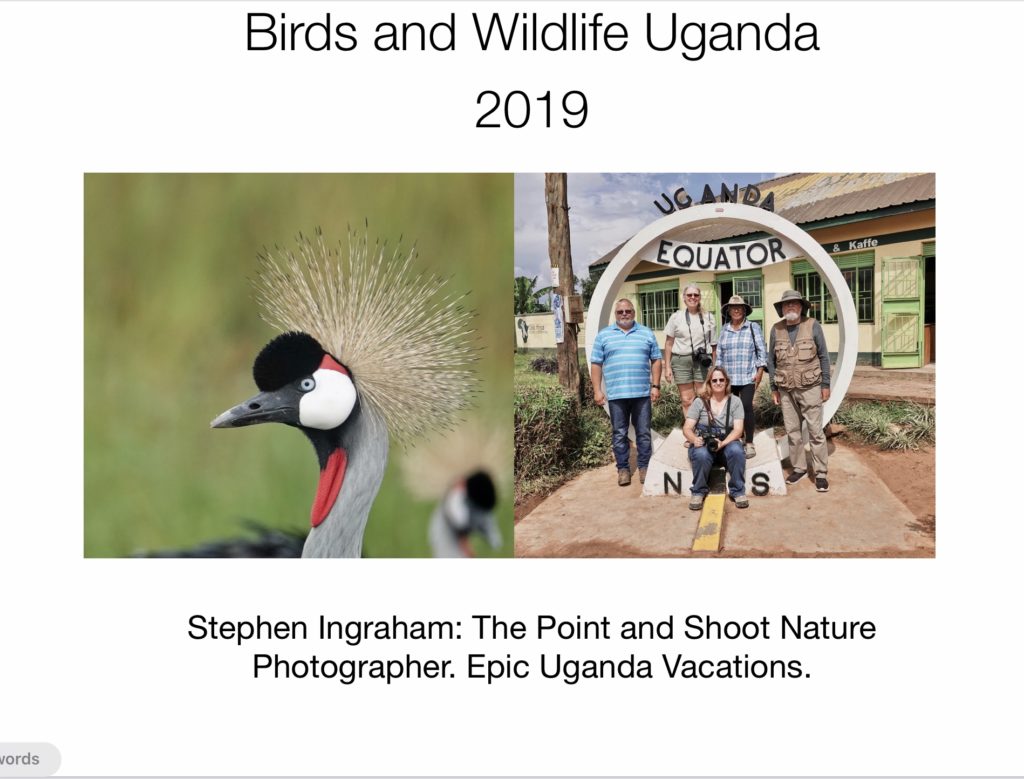
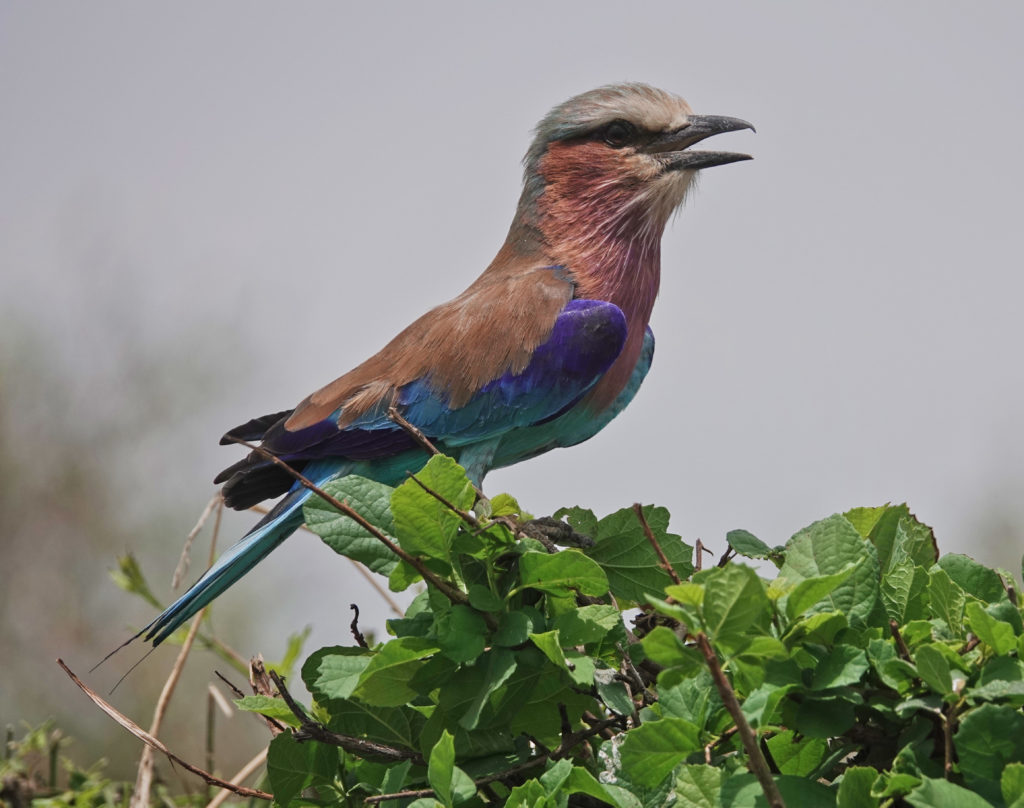
Enjoy this free eBook of the Point and Shoot Nature Photography Birds and Wildlife Adventure in Uganda in September or 2019, with Epic Uganda Vacations.
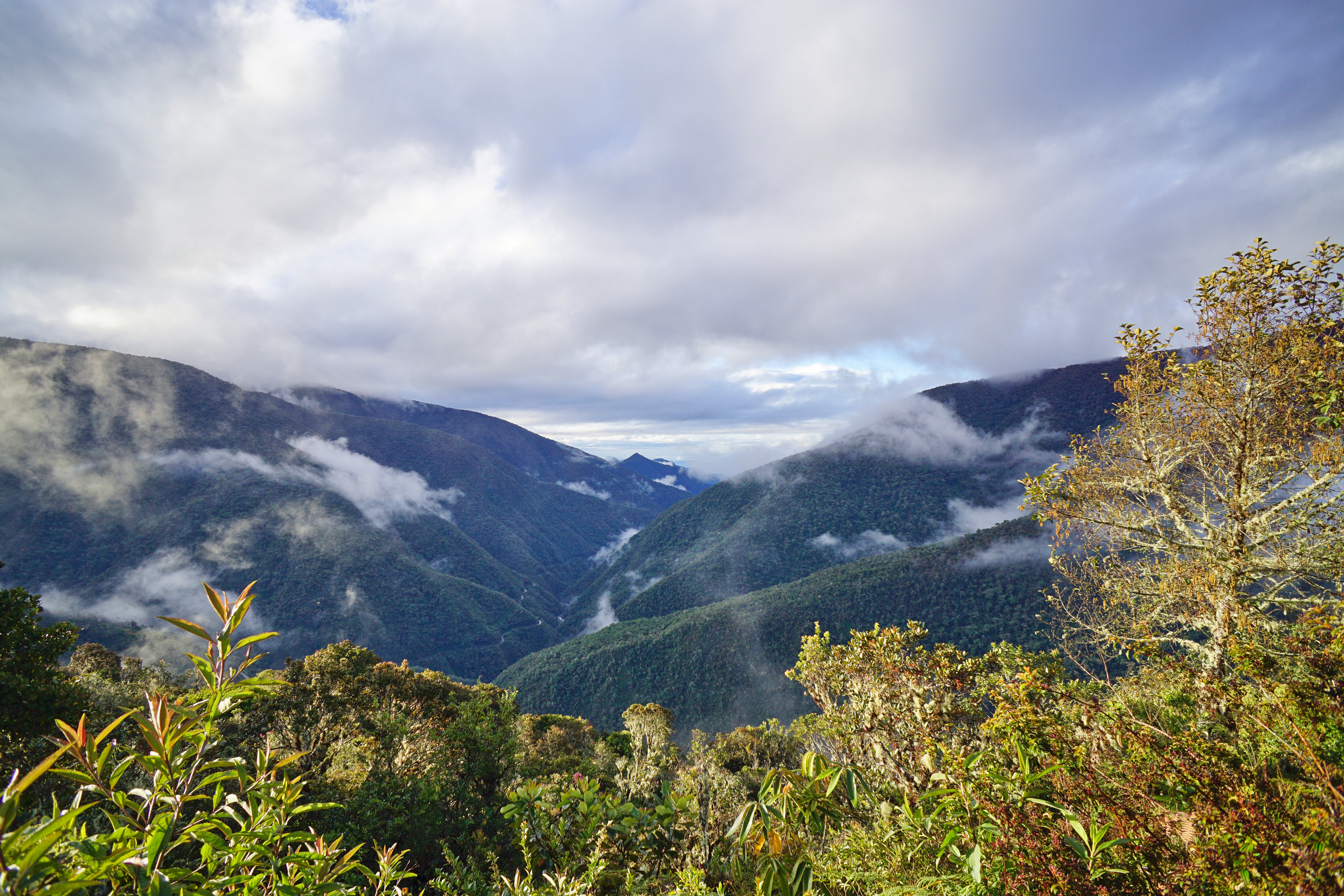
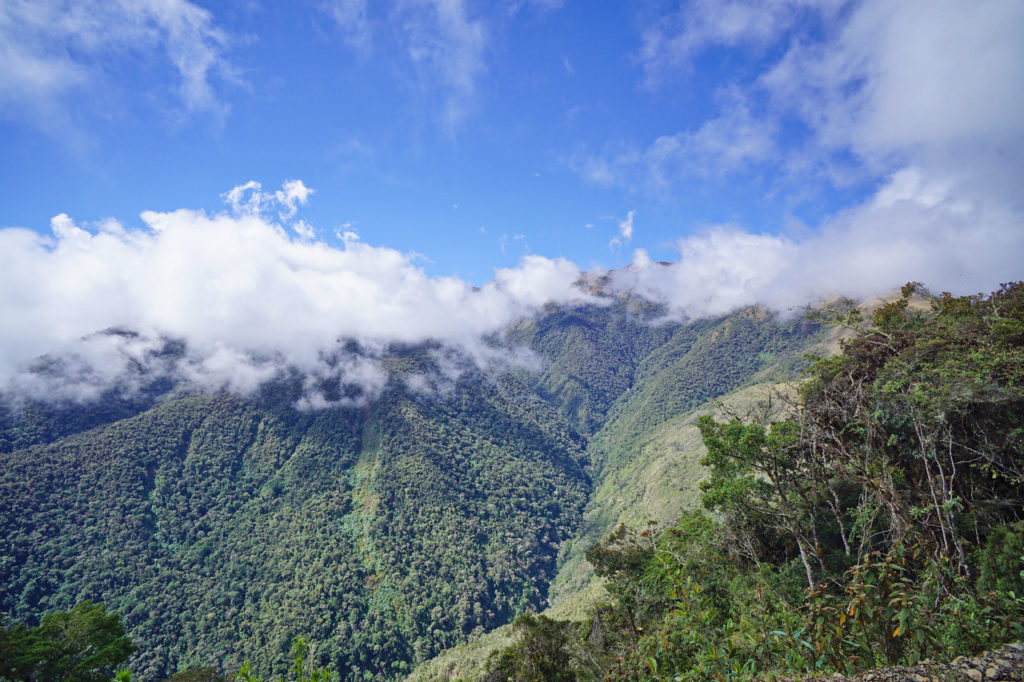
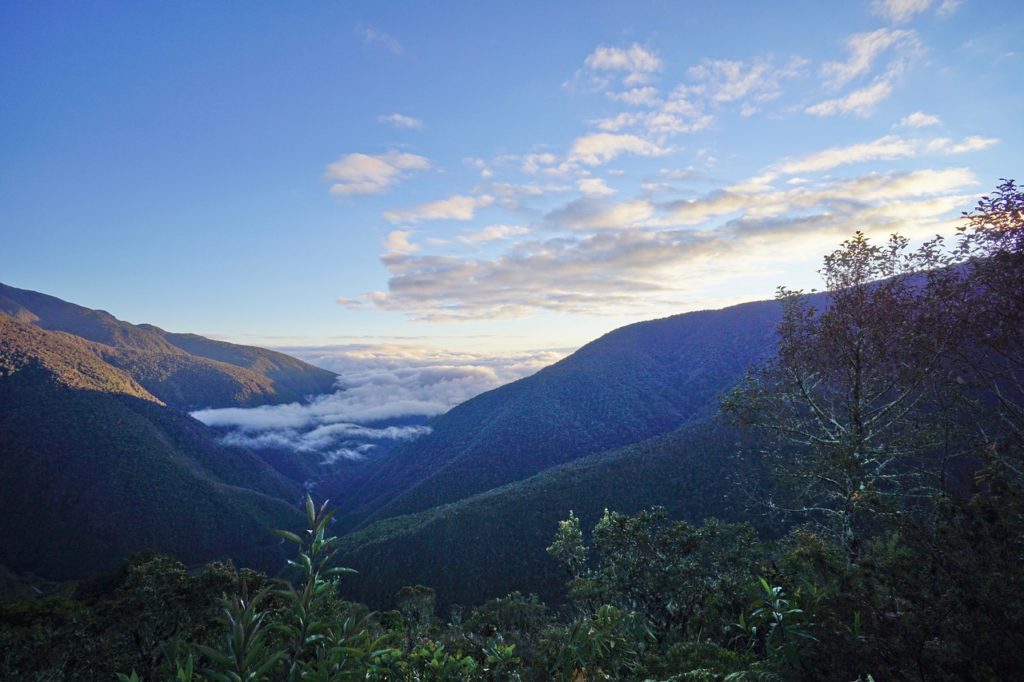
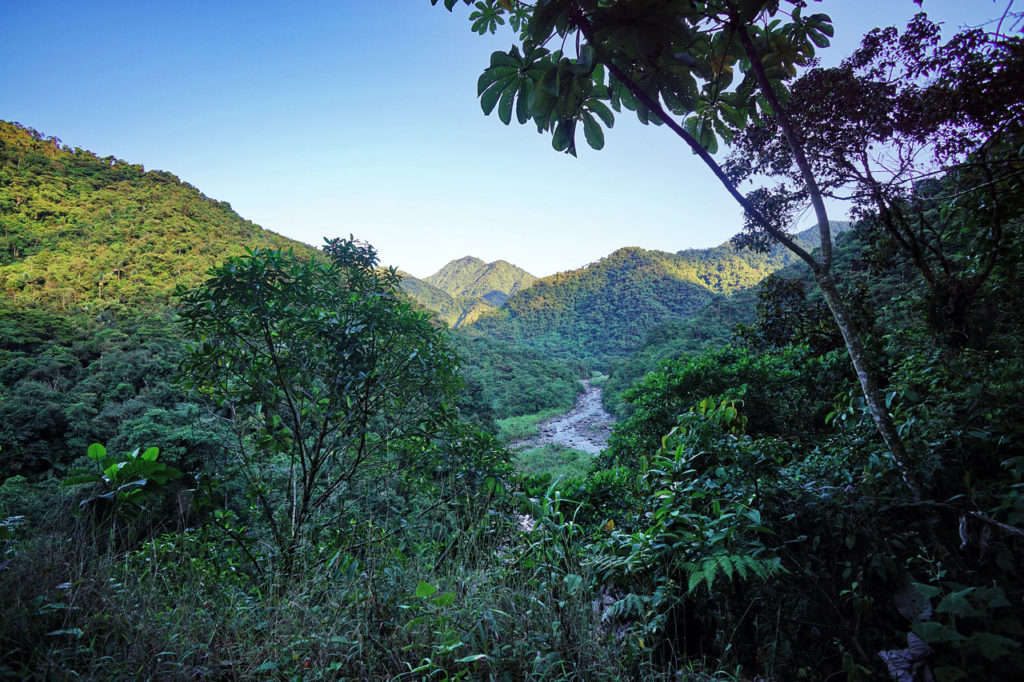
The series of valleys through which the Manu Road runs, taken from Wayqecha Biological Station on the Manu Road.
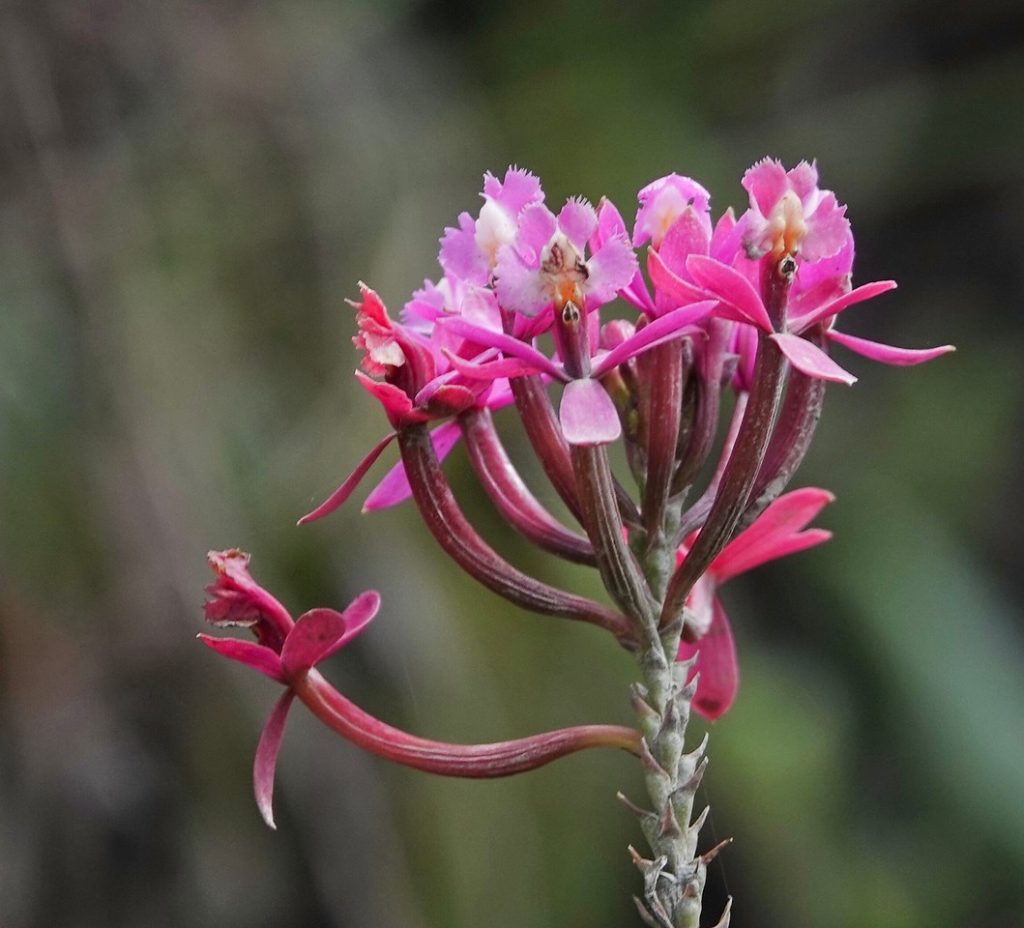
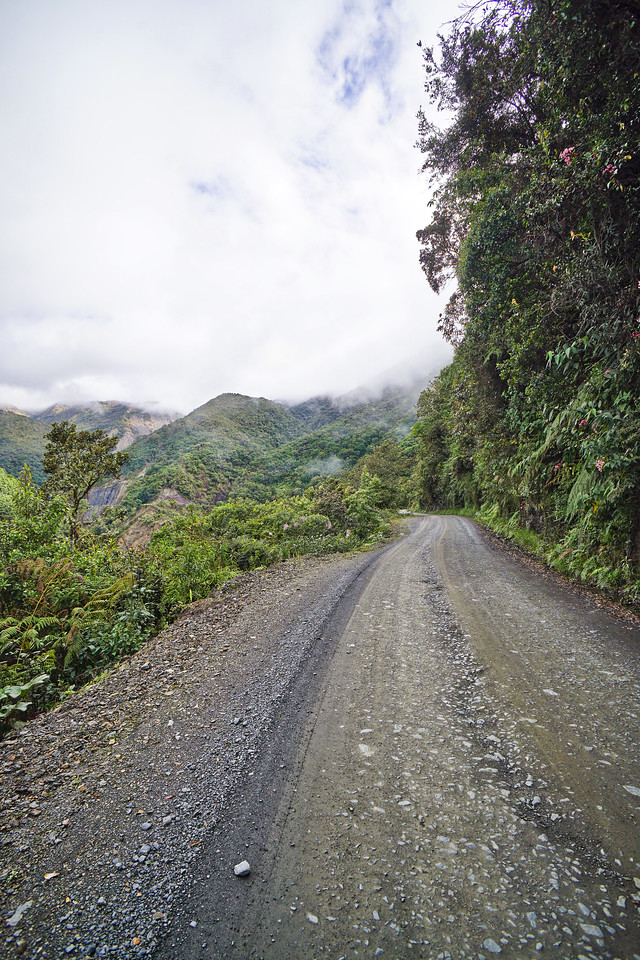
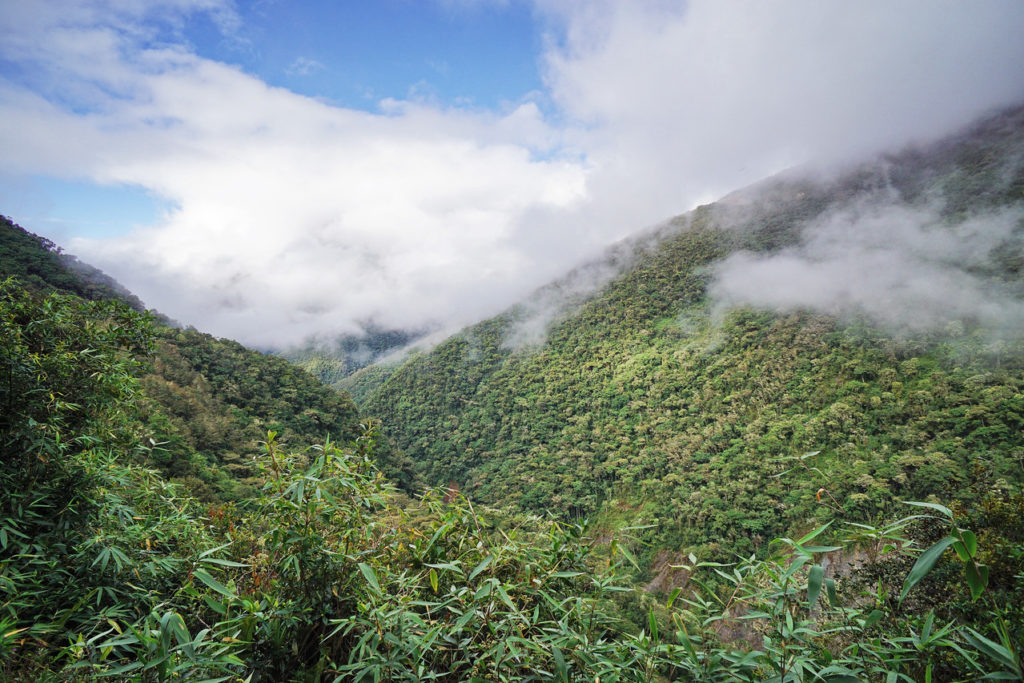
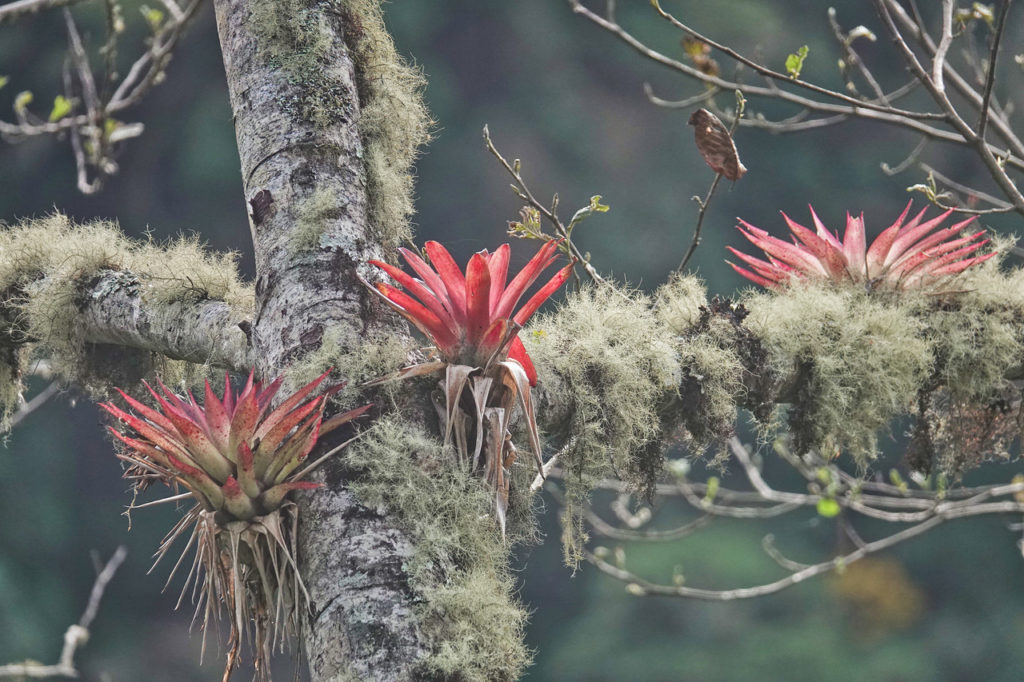
Amazon Journeys invited me to join them for a 7 day “Birding the Manu Road“ adventure on the eastern slopes of the Andes in Peru. The Manu Road is famous among birders worldwide. It runs along the edge of the largest National Park in Peru, Manu National Park, starting at a high pass, over 11,000 feet, in the Puna (dry highland grass and shrub land) and descending through a series of elfin forest slopes and cloud forest valleys to the lowland foothill rain forest along the Manu river…some 50 miles and 10,000 feet lower. It is rough. It can be muddy. It often has spectacular wash outs with raw landslides, sheer drops, and rudimentary repairs. There are two tight blind tunnels, hacked around corners through outcroppings. There are waterfalls, big and little. There are deep cloud filled valleys where you can just barely hear the rushing stream at the bottom. There are vistas where you can watch the clouds come up out of the lowlands and climb toward the high passes above. There are orchids and wildflowers of all kinds and bromeliads and the kind of butterflies that will enliven your dreams. And there are birds. Astounding, wonderful, birds. Birds you will not see many other places. Many birds you that are only easily seen along the Manu Road.
Western slopes of the Andes north of Cusco
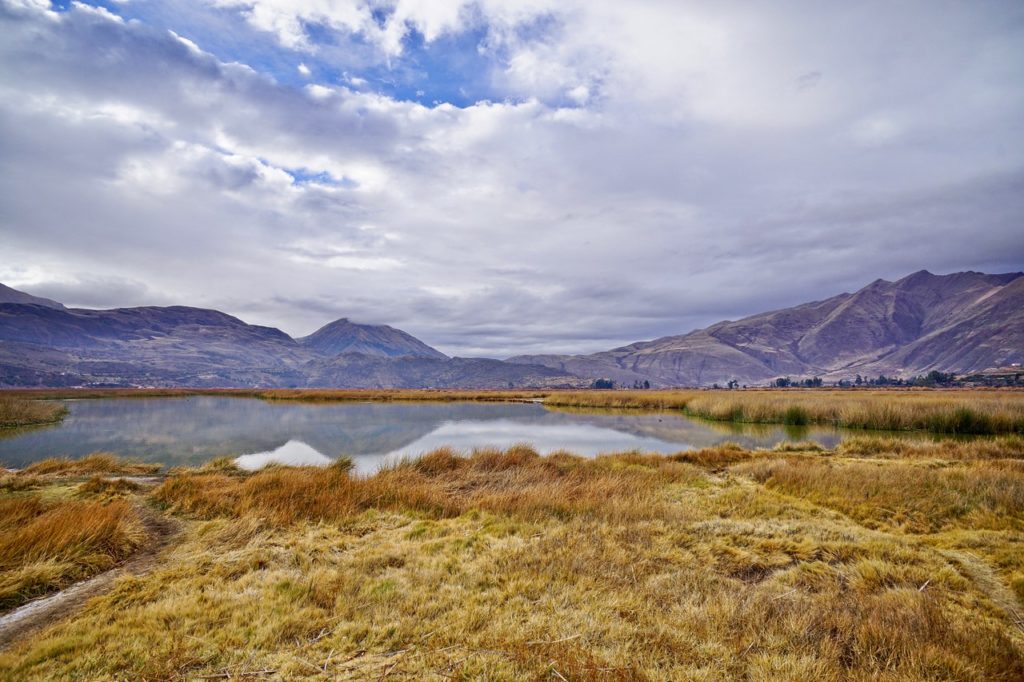
You begin your journey in Cusco, one of the highest and one of the oldest cities in the Americas. (I recommend coming in a day early to get at least a little used to the altitude…11,500 feet can be a stain on anyone’s system.) Your real adventure beings when you leave Cusco to drive across the high dry slopes of the western Andes. You wind up and down and around over passes and across slopes, never getting much lower than 10,000 feet. Of course you stop along the way for birding. My guide, Pepe Rojas, took us first to Lake Haurcapy, a marshy high elevation lake (close to 10,000 feet).
Lake Haurcapy
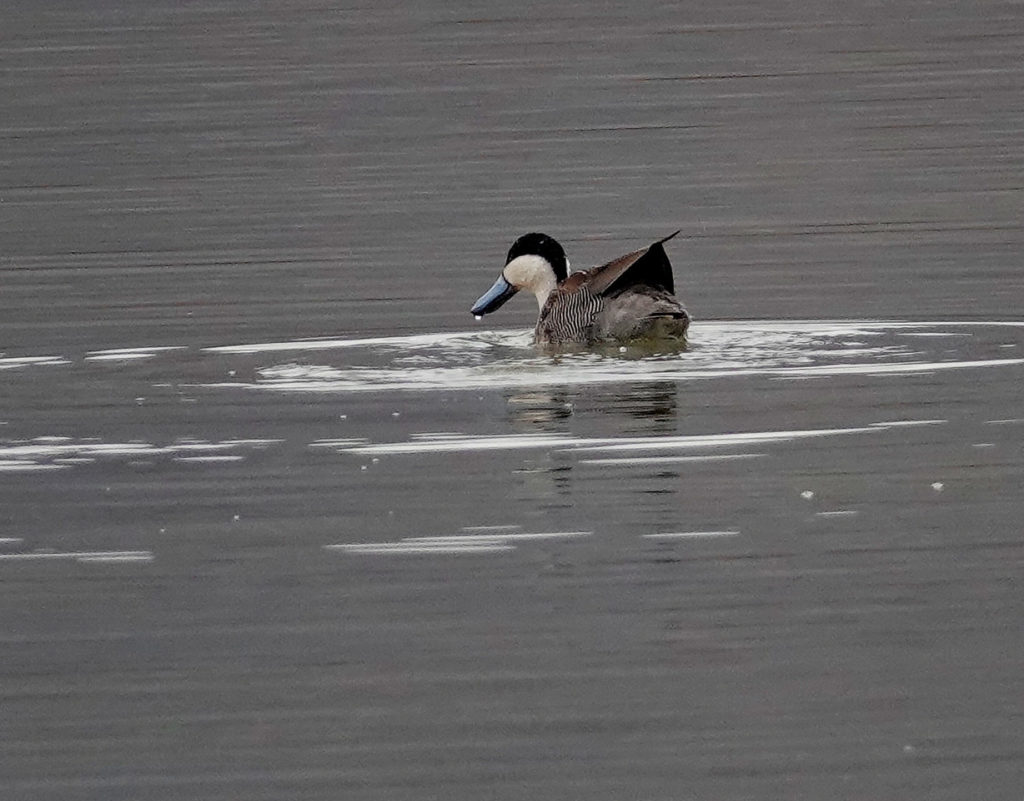
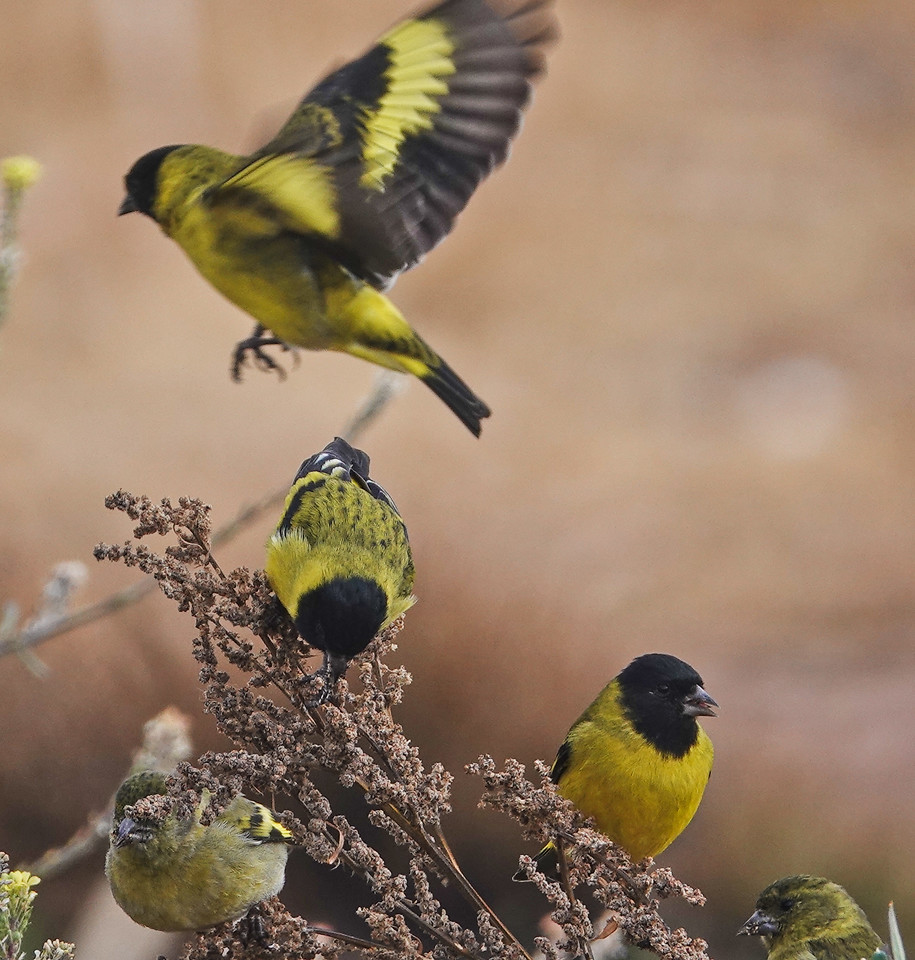
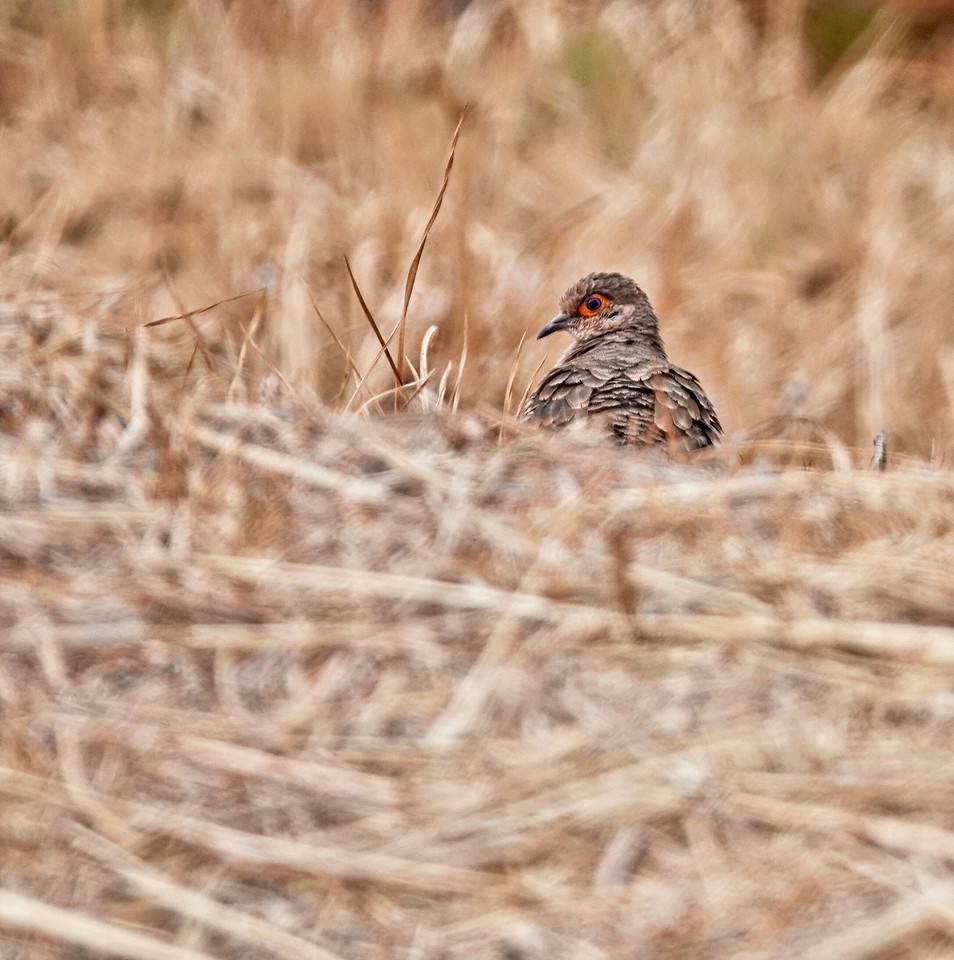
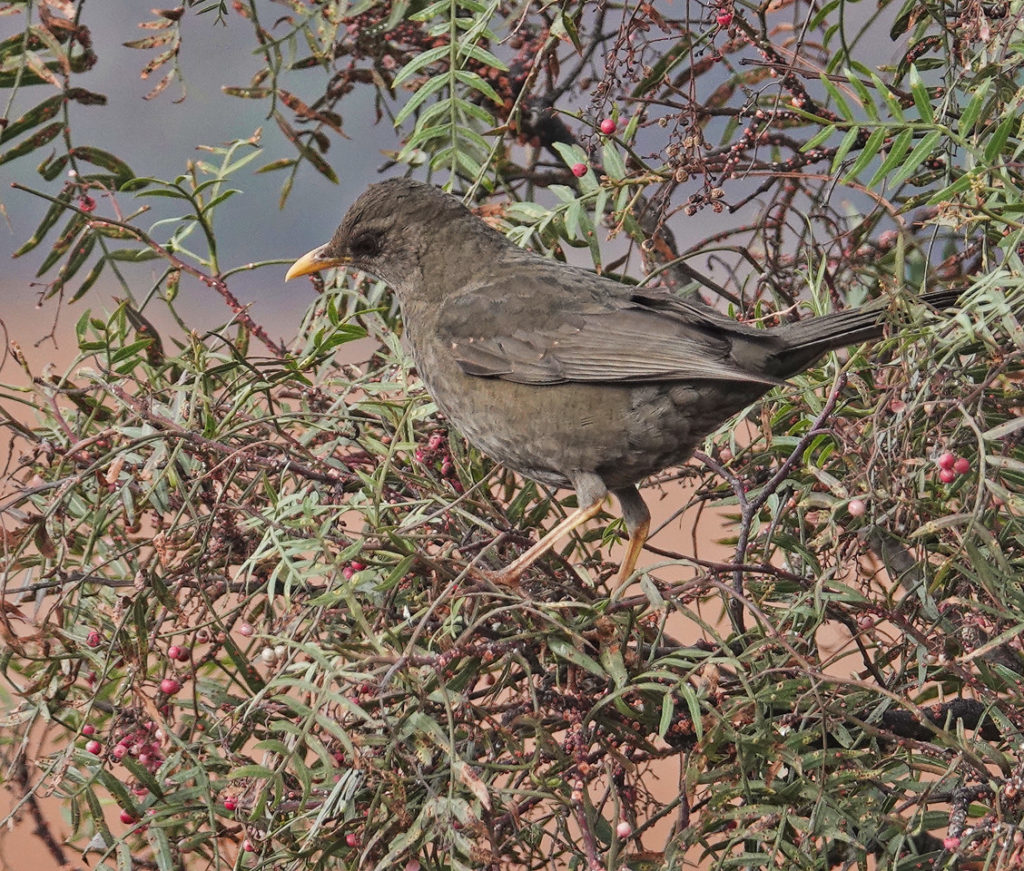
There we picked up our first typical Andean birds. Yellow-winged Blackbirds in the reeds around the lake, Puna Teal on the water, Hooded Siskin, Bare-faced Ground Dove, and Chequanco Thrush along the brushy margins.
Yellow-winged Blackbird
Puna Teal
Hooded Siskin
Bare-faced Ground Dove
Chequanco Thrush
A couple of stops along the road yielded our next set of Peruvian endemics, typical, again of the dry western slopes of the Andes. The Bearded Mountaineer (endemic) is big by hummingbird standards, and Pepe spotted several as we drove along. At those stops we picked up Chestnut-breasted Mountain-Finch (another endemic), Creamy-crested Spinetail (a third endemic), Great Thrush, Band-tailed Seed-eater, and Peruvian Sierra Finch (not an endemic despite the name).
Bearded Mountaineer
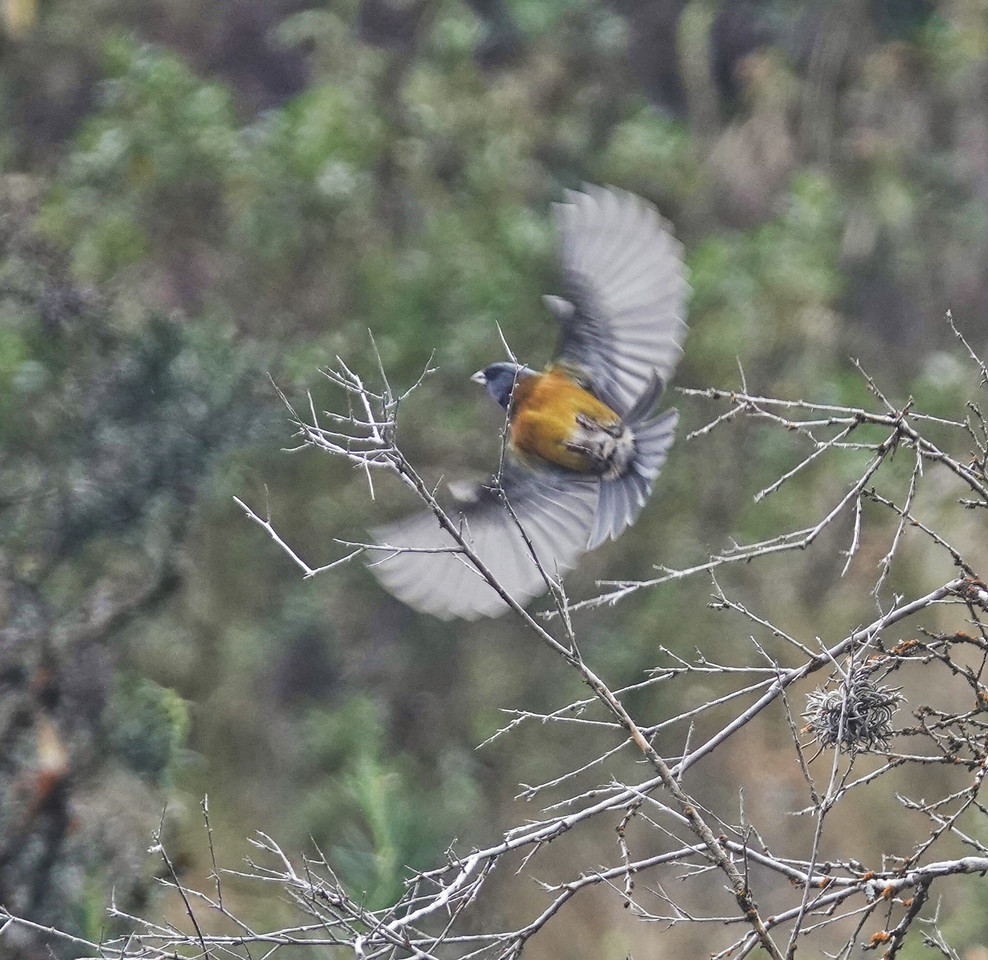
Chestnut-breasted Mountain-Finch
Creamy-crested Spinetail
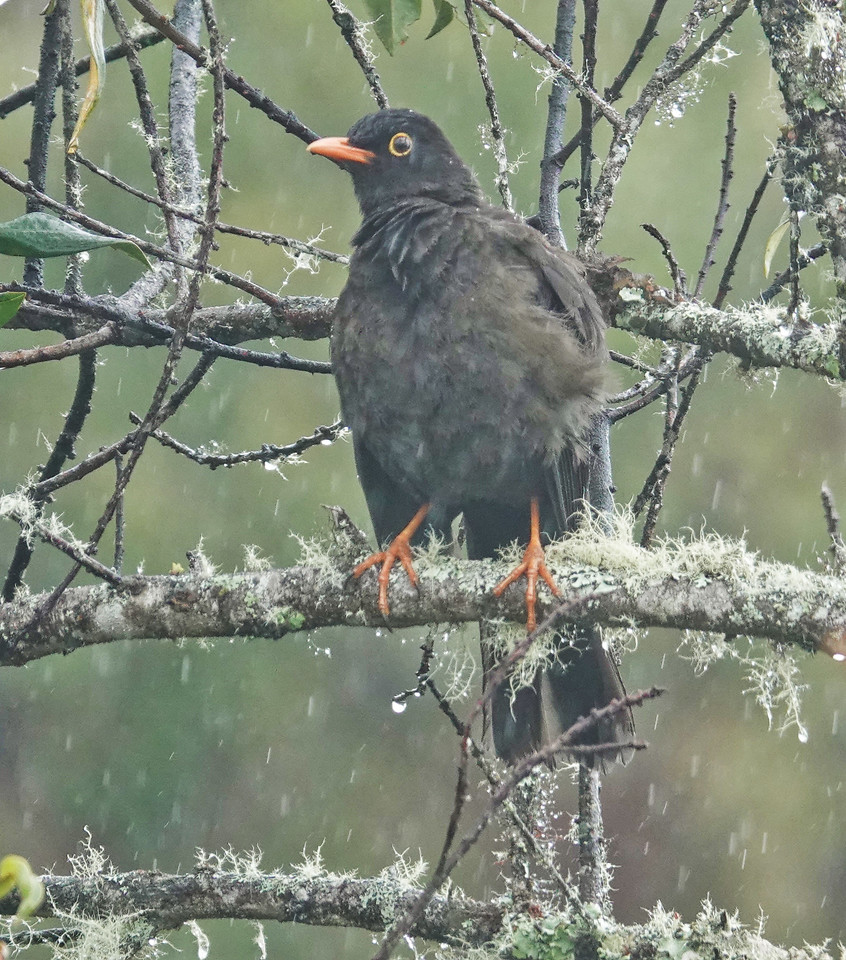
Great Thrush
Band-tailed Seedeater
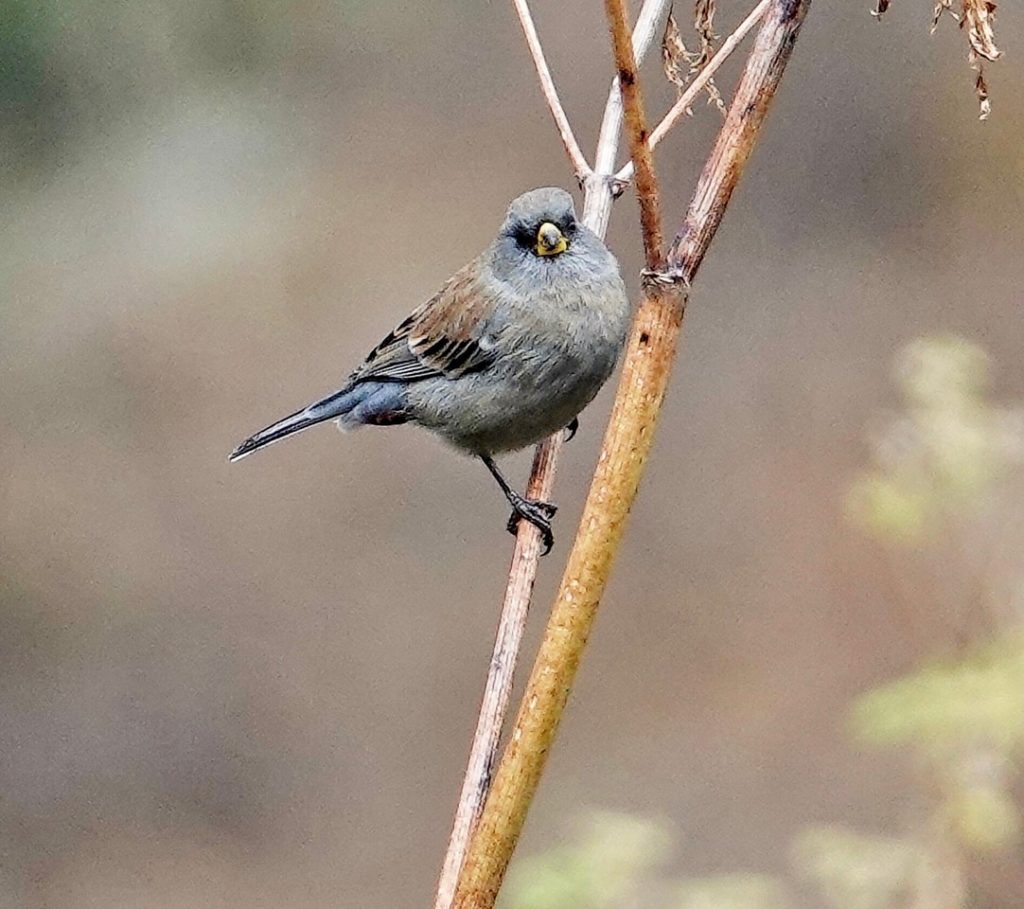
Peruvian Sierra-Finch
It was late afternoon before we crested the pass at the top of Manu National Park and found our way down slope to Wayqecha Biological Station and Birding Lodge, at about 9500 feet, just at the transition between elfin forest and cloud forest. Wayqecha is owned and operated by the Amazon Conservation Association and provides housing for research teams and for visiting birders. They maintain a growing network of trails, a canopy bridge, and research towers where huge curtains simulate the effects of climate change. The cabins, grounds, and facilities are first rate, and Wayqecha makes an ideal base for birding the upper reaches of the Manu Road. In addition they have well developed feeding stations that attract both common feeder birds and some more difficult to see species.
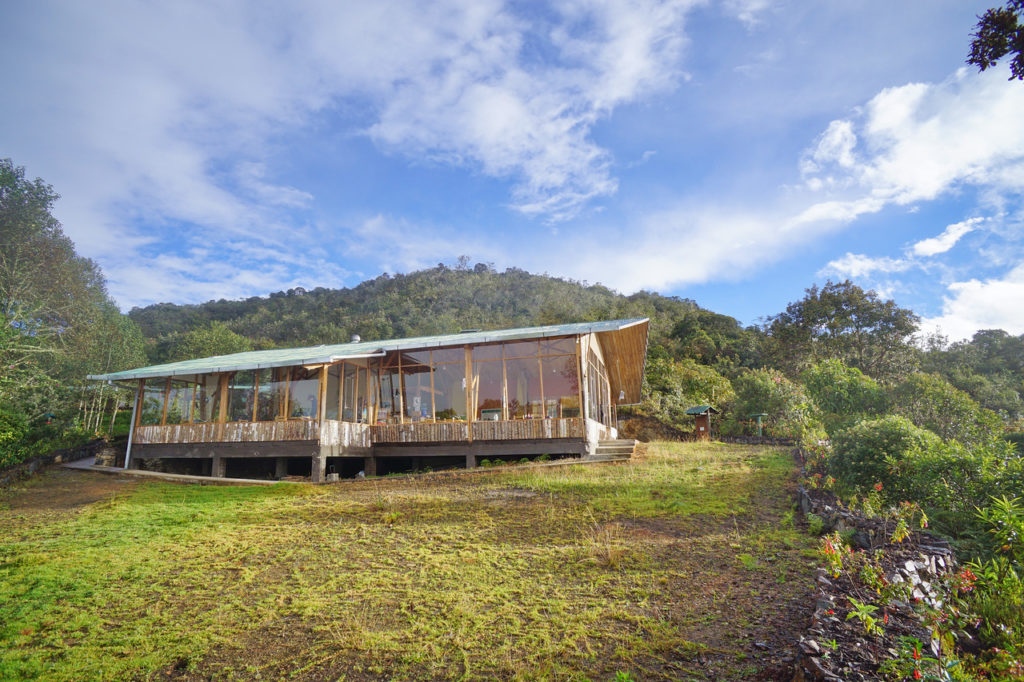
The dinning hall at Wayqecha Biological Staton.
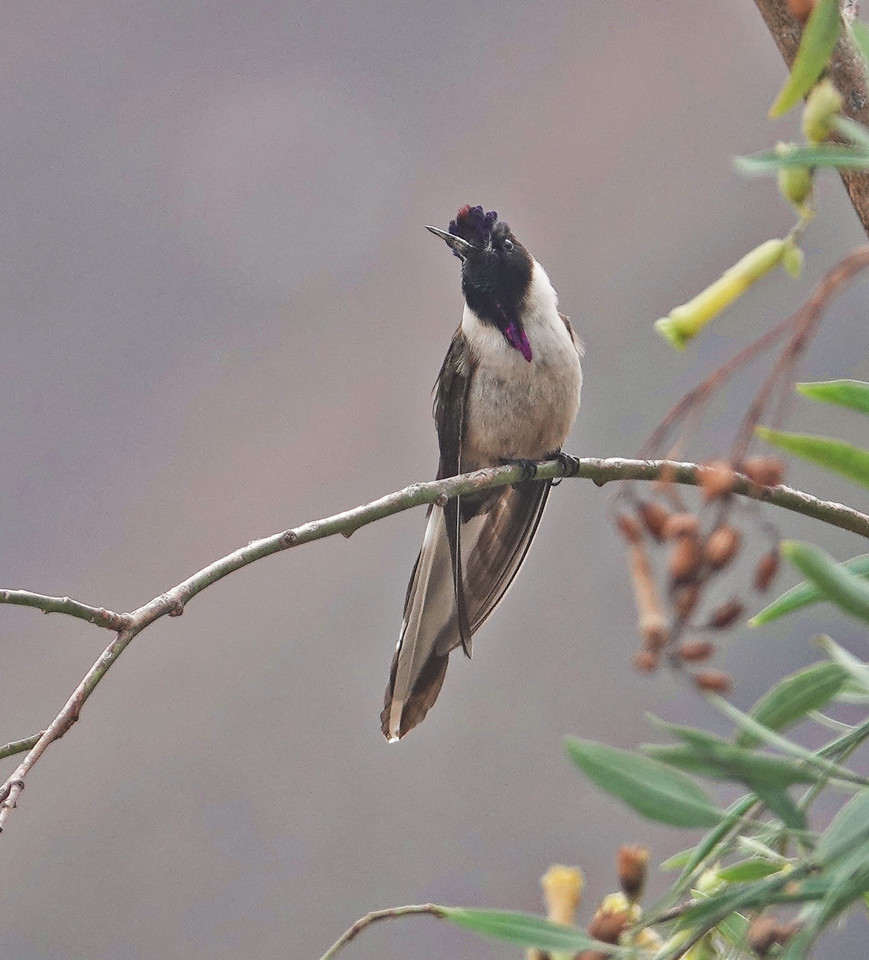
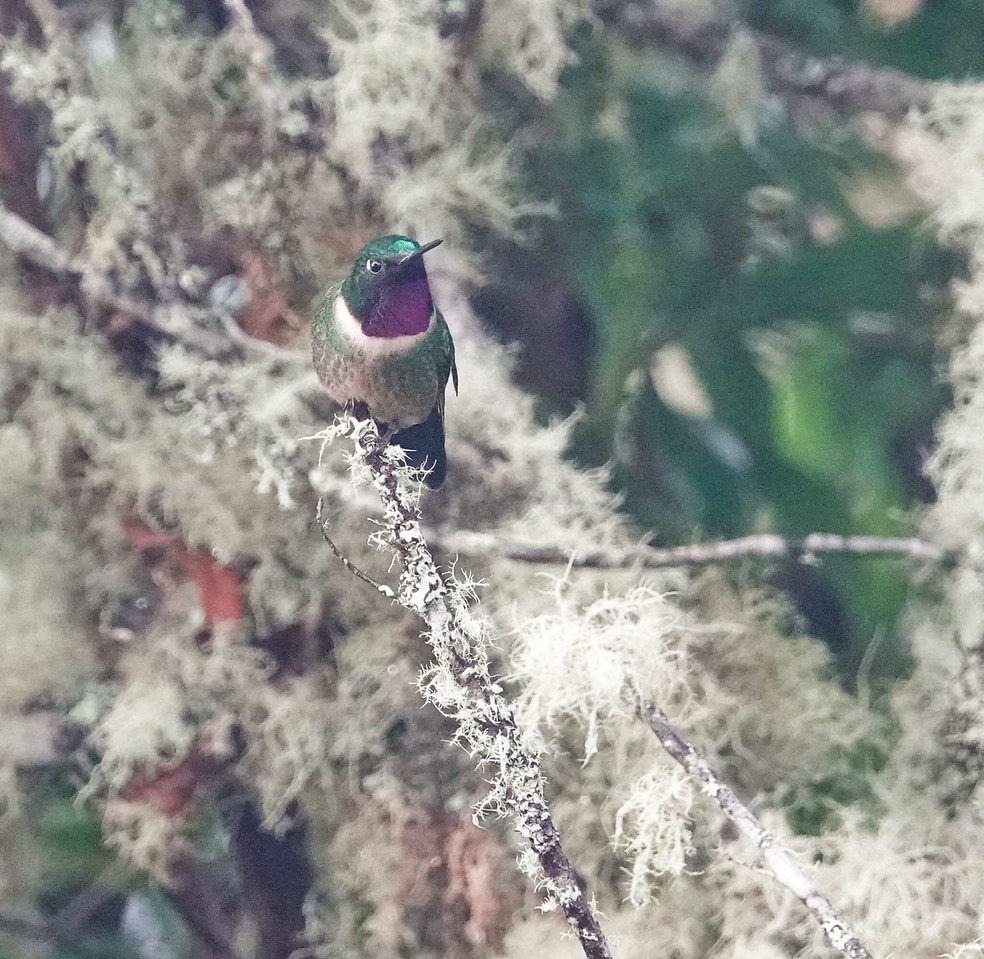
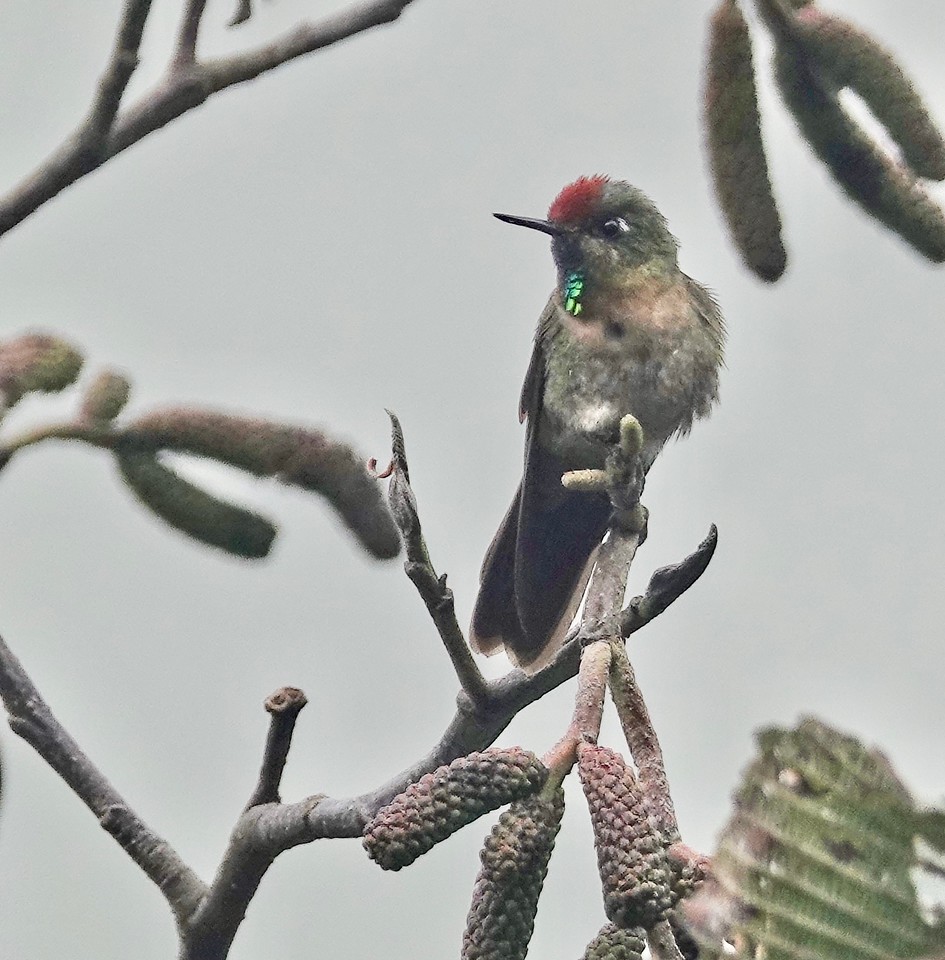
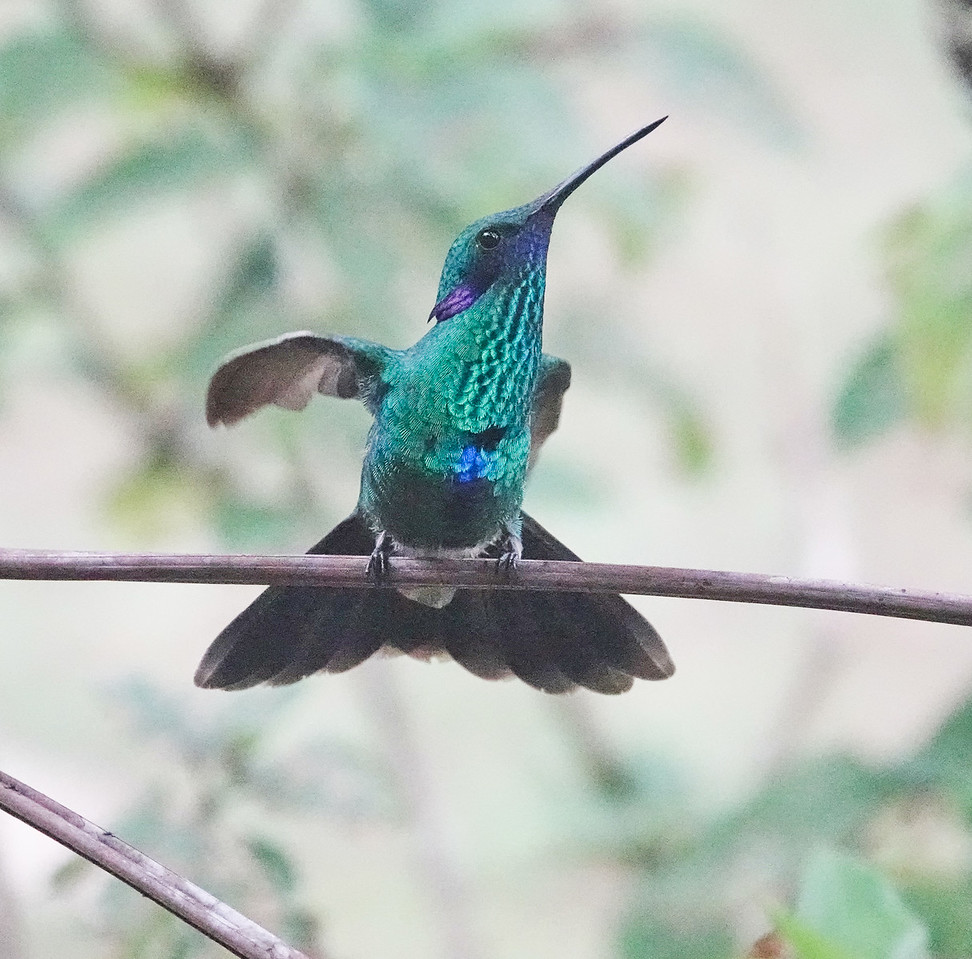
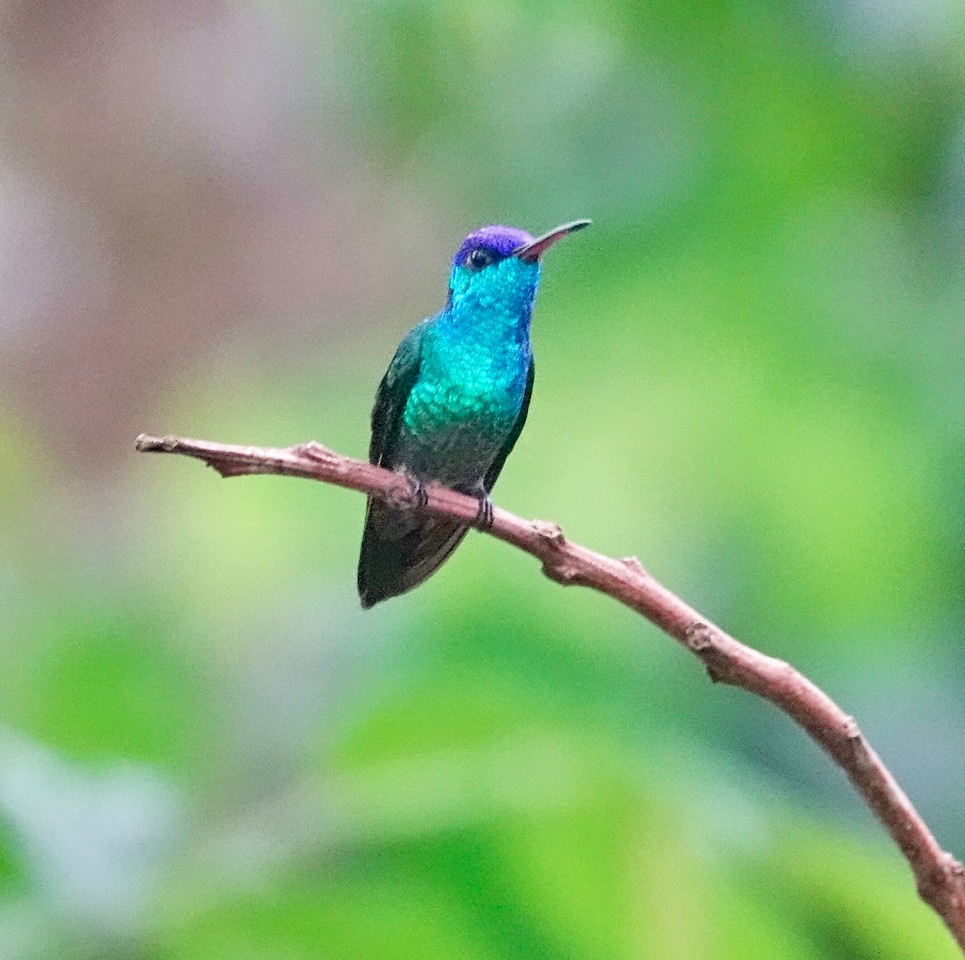
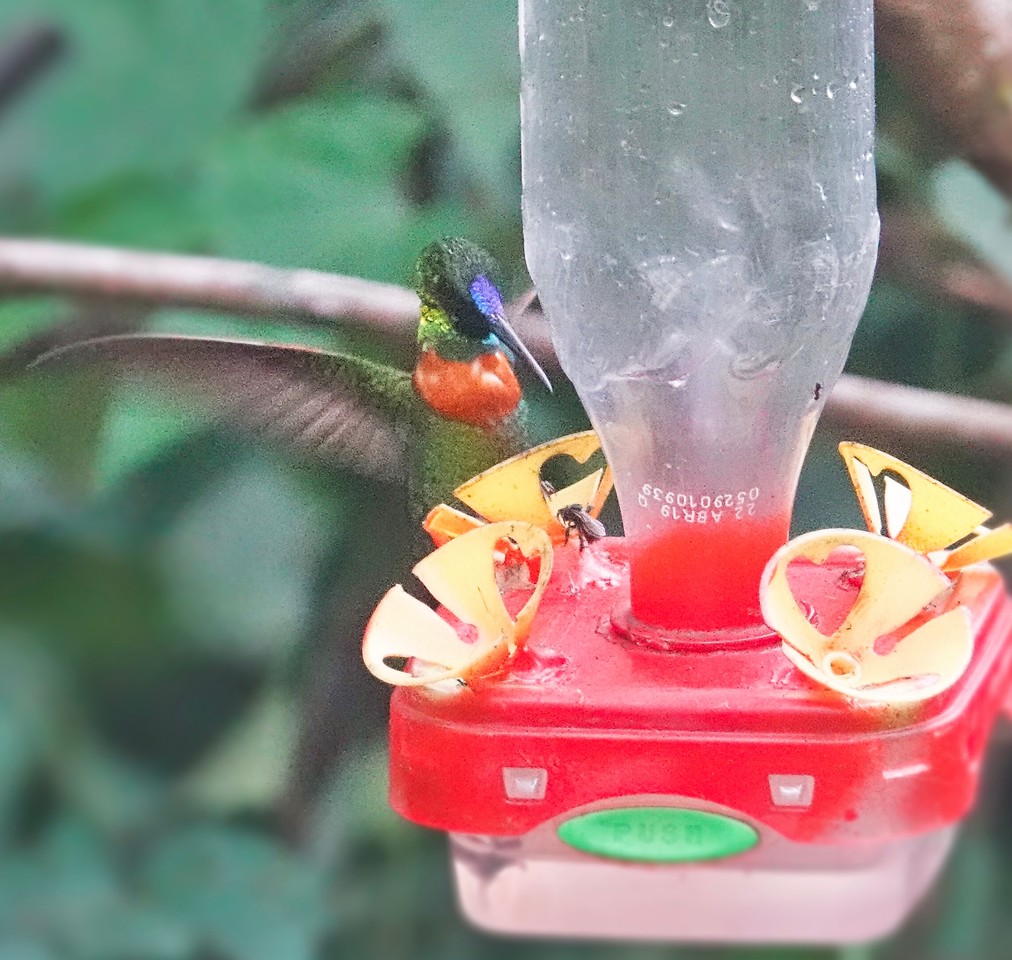
Amethyst-throated Sunangel
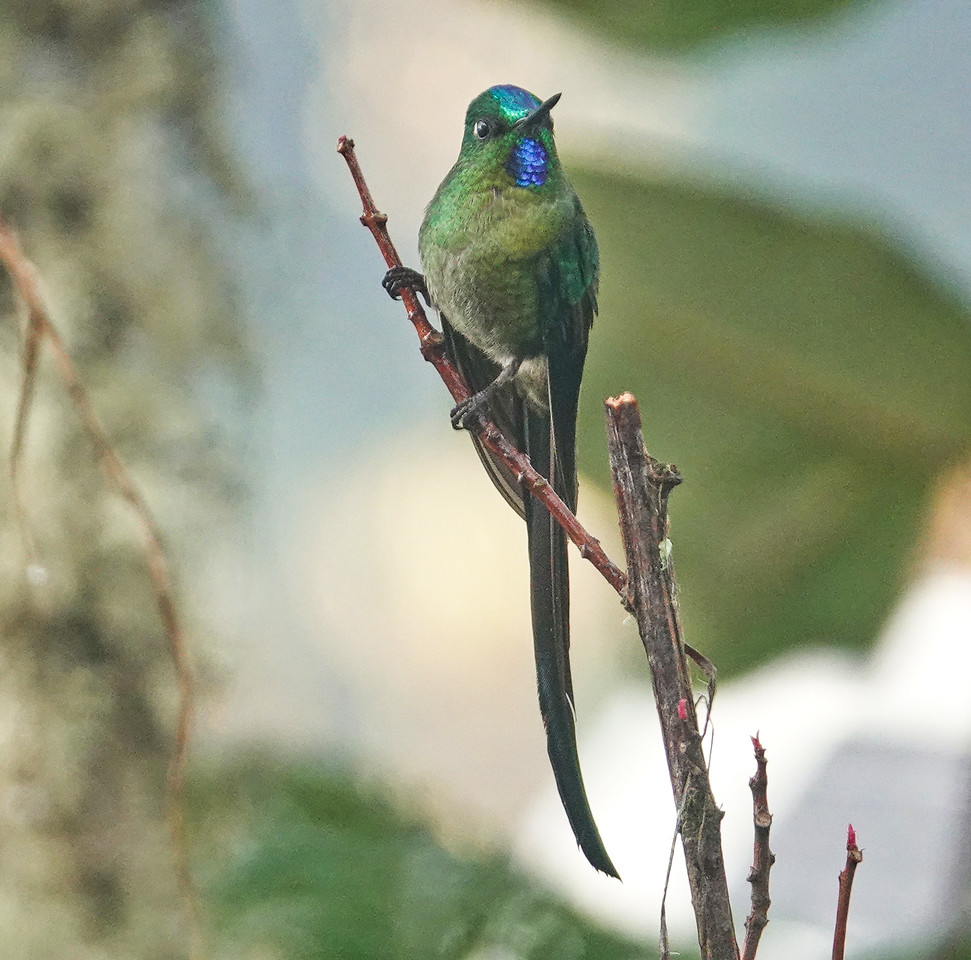
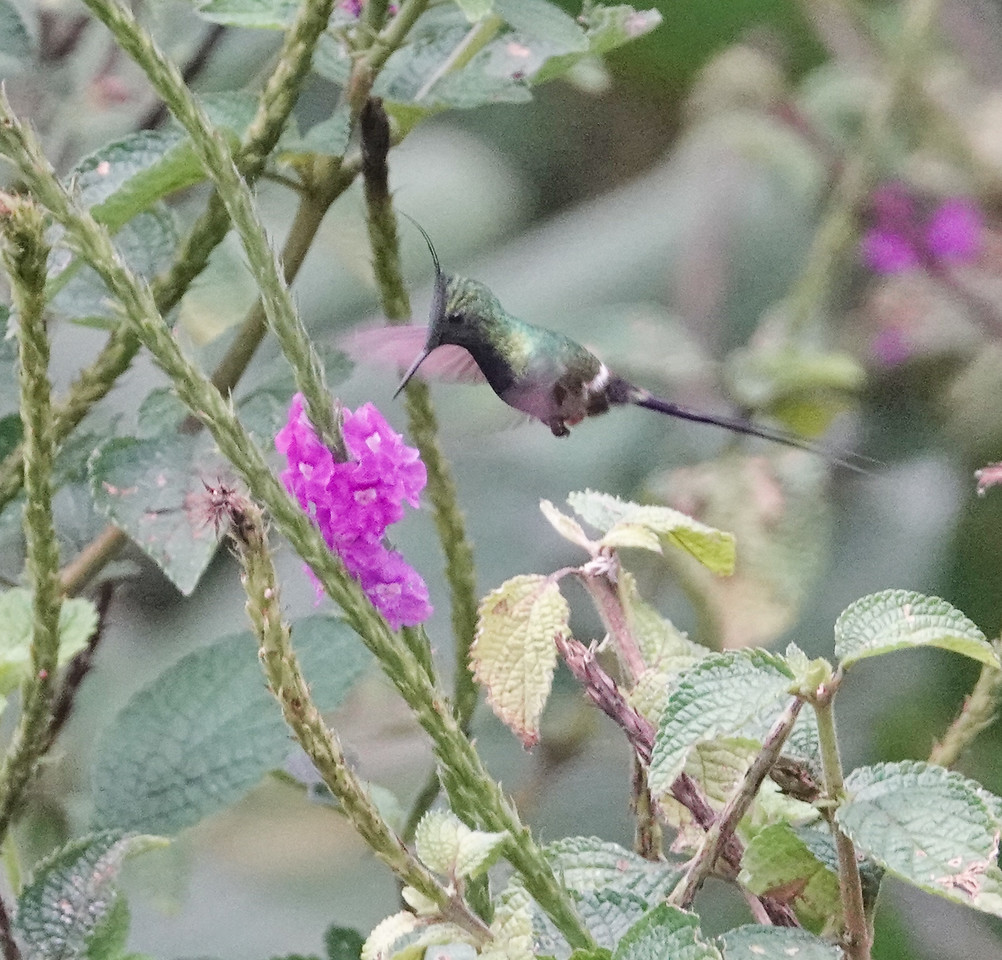
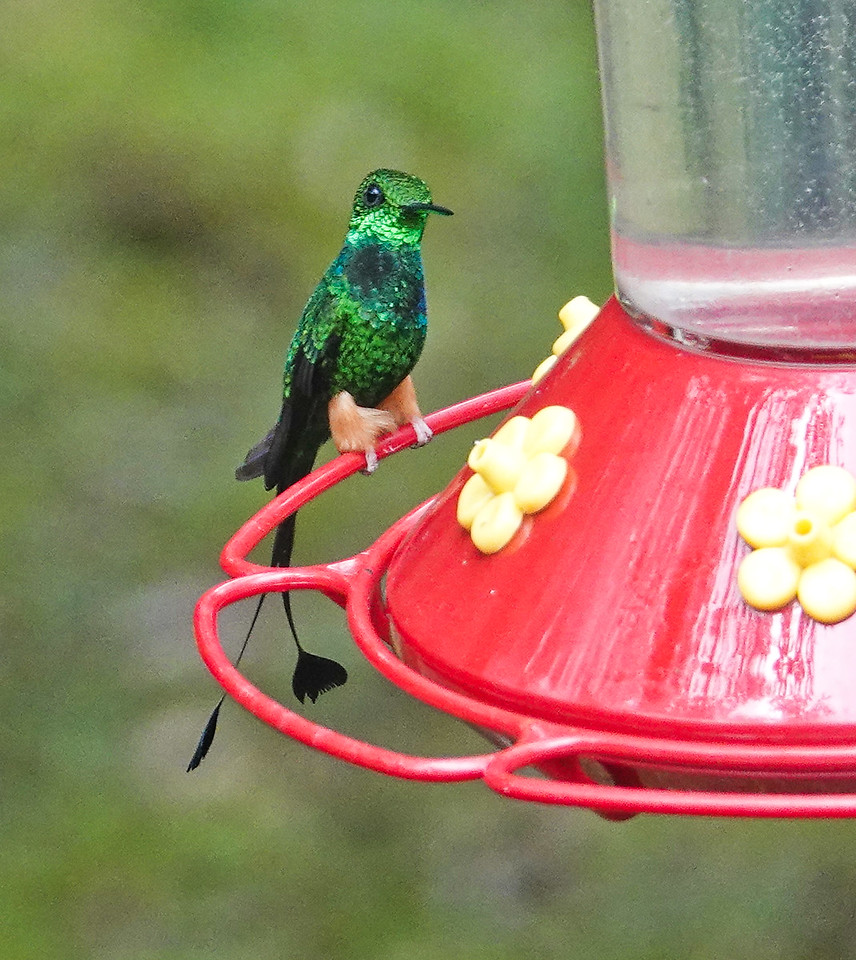
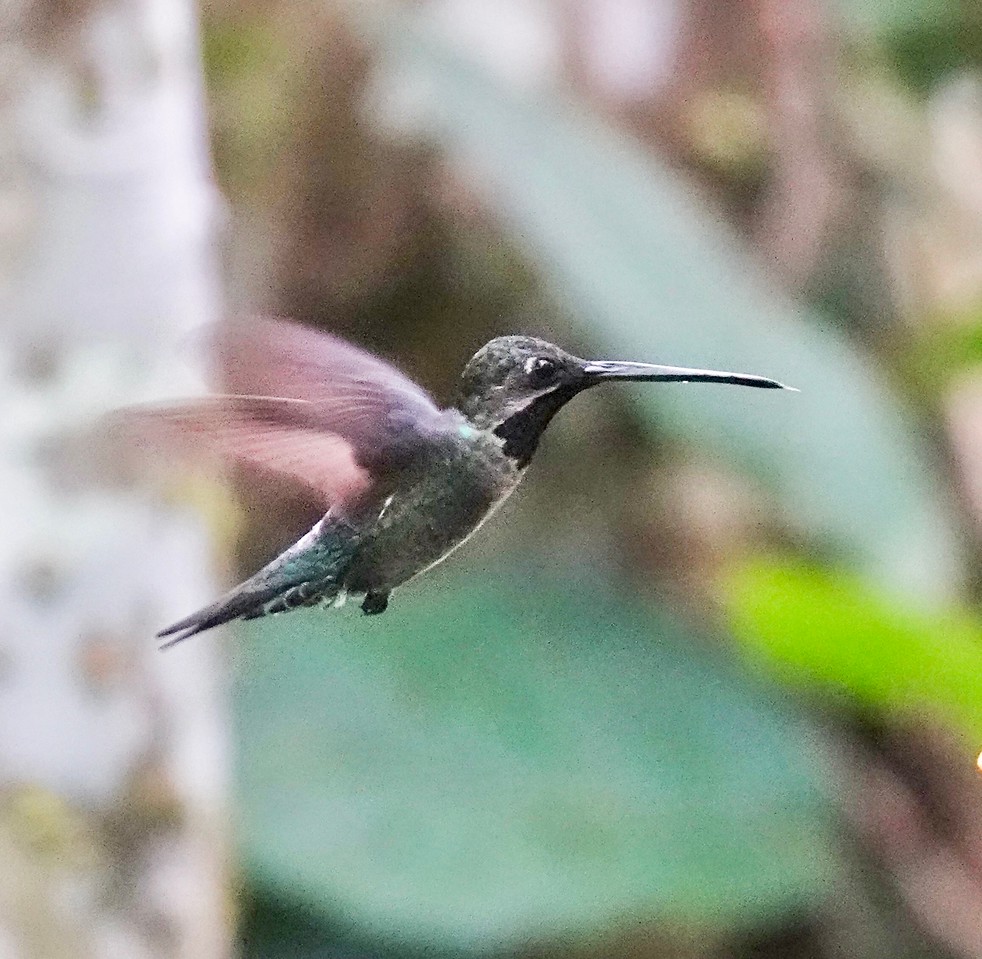
Long-tailed Sylph
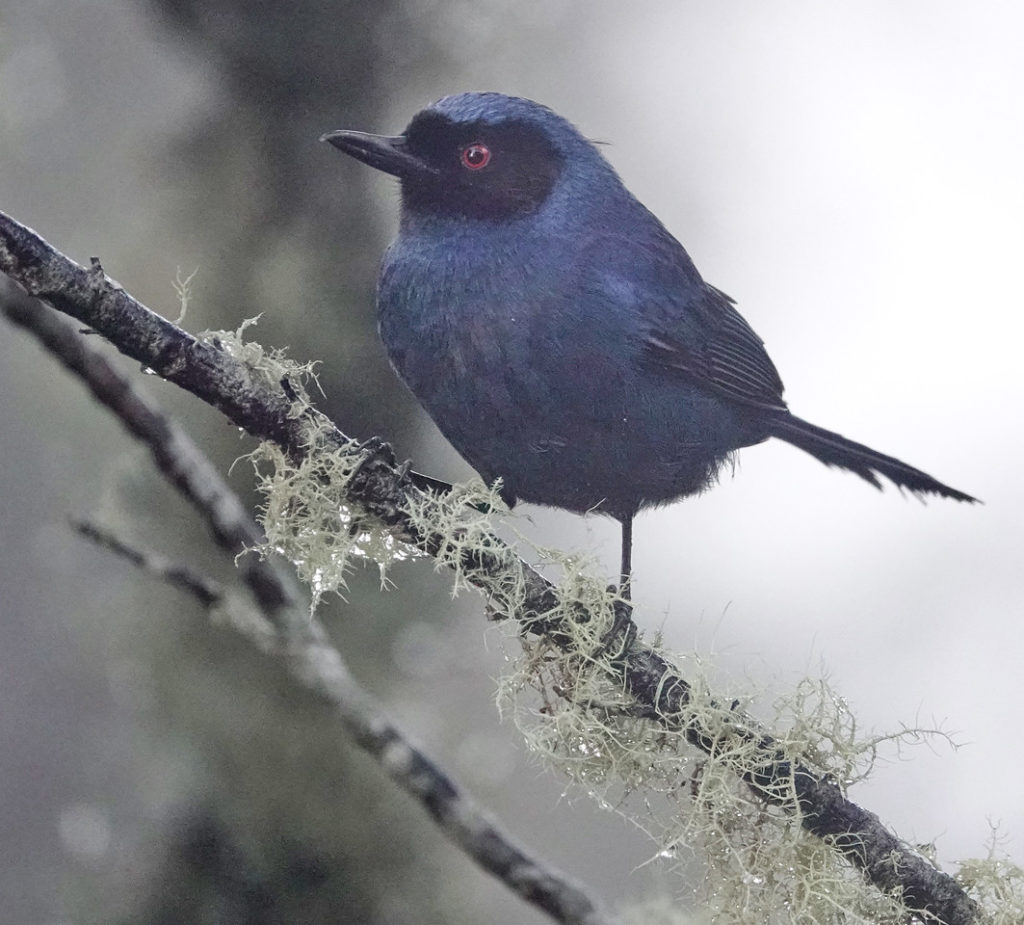
Masked Flowerpiercer
Tyrain Metaltail
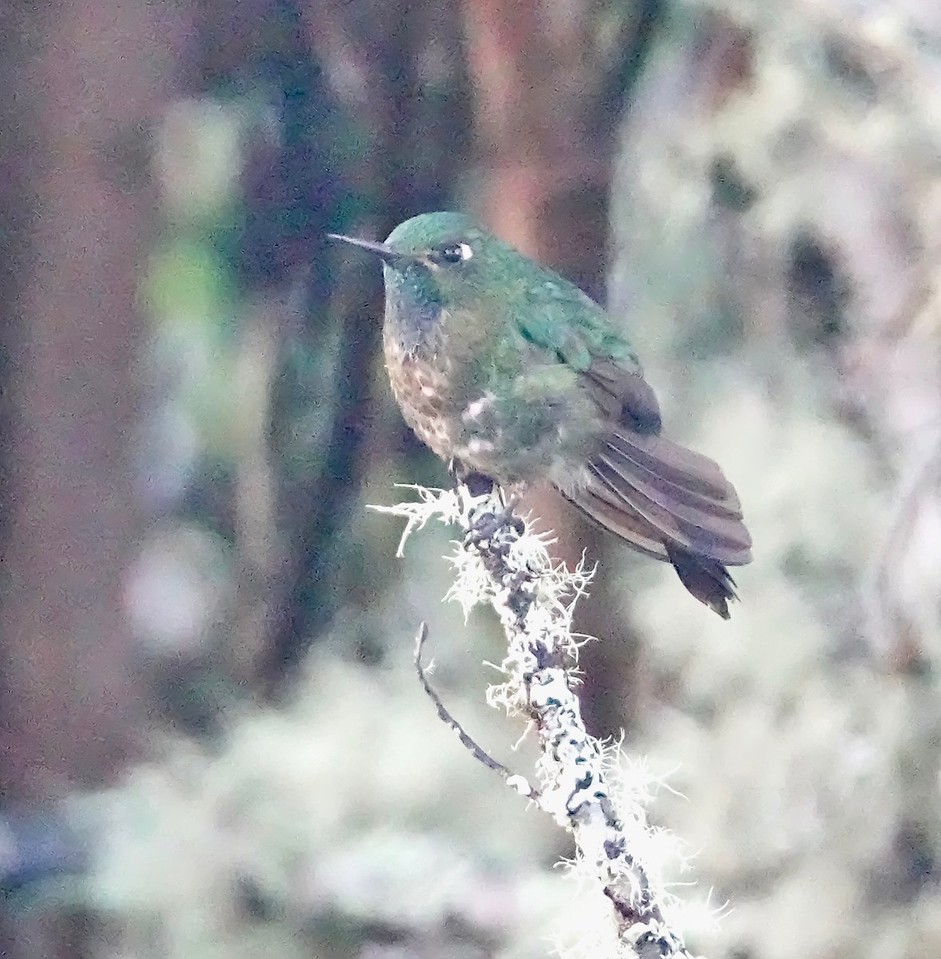
Collared (Gould’s) Inca
We spent most daylight hours on the Manu Road itself, so my time at the feeders was in less than ideal light, just before and after breakfast and dinner, and there were often wisps of cloud crossing the grounds, but the Metaltail and the Gould’s Inca are particularly good birds to see…and I was, of course, delighted with my first (and only for the trip) looks at Long-tailed Sylph. Sword-billed Hummingbird also comes to the feeders at Wayqecha but not while I was there.
On our first full day on the Manu Road we drove back up the the Canopy Bridge trail for a short hike in to see the bridge.
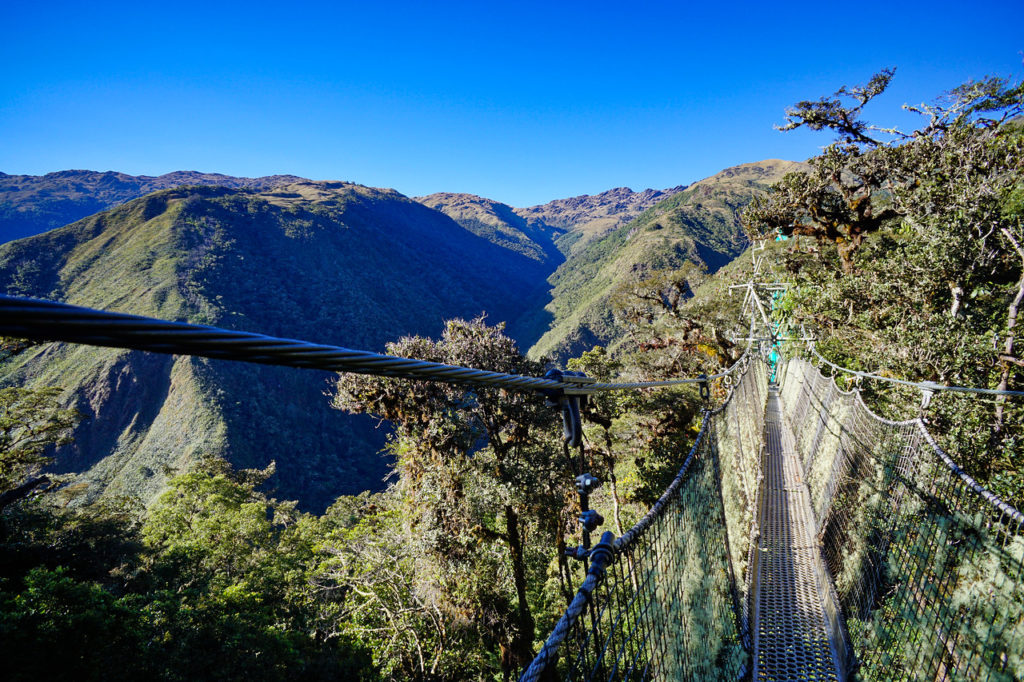
The Canopy Bridge at Wayqecha Biological Station.
The primary purpose of the bridge is to provide access to the research towers, where, as I mentioned, they are conducting climate change research using huge curtains suspended from the towers to artificially alter the climate beneath.
We then walked back down to the lodge. I suppose some people do walk up the Manu Road, but at my age, and at 10,000 feet, I was thankful to be walking down, and most days for the remainder of the trip, that is what we did. We would drive to likely spot along road, and then walk, sometimes miles, seeing what we could see. Sometimes, especially in the afternoon, we would spend time in the van, slowly driving down, stoping mostly for mixed flocks seen crossing the road or along side, and getting out and walking sections that have proved particularly birdy in the past. This is old fashioned road birding. Walk and ride, ride and walk. What you see is totally dependent on what happens to be near the road as you pass. If most of your tropical birding has been done in Central America or even in other parts of South America, where the birds tend be concentrated at maintained feeding stations or in particularly bird-rich areas, this is different, and a bit harder work. But it is worth it. The magic of the Manu Road is that you do see an amazing number and variety of birds. You might walk half a mile without seeing anything…but then the next half-mile might be full of the most spectacular and interesting birds. And the birds you see are difficult to impossible to see elsewhere. The upper Manu Road gives you easy access to some of the richest cloud forest in the world.
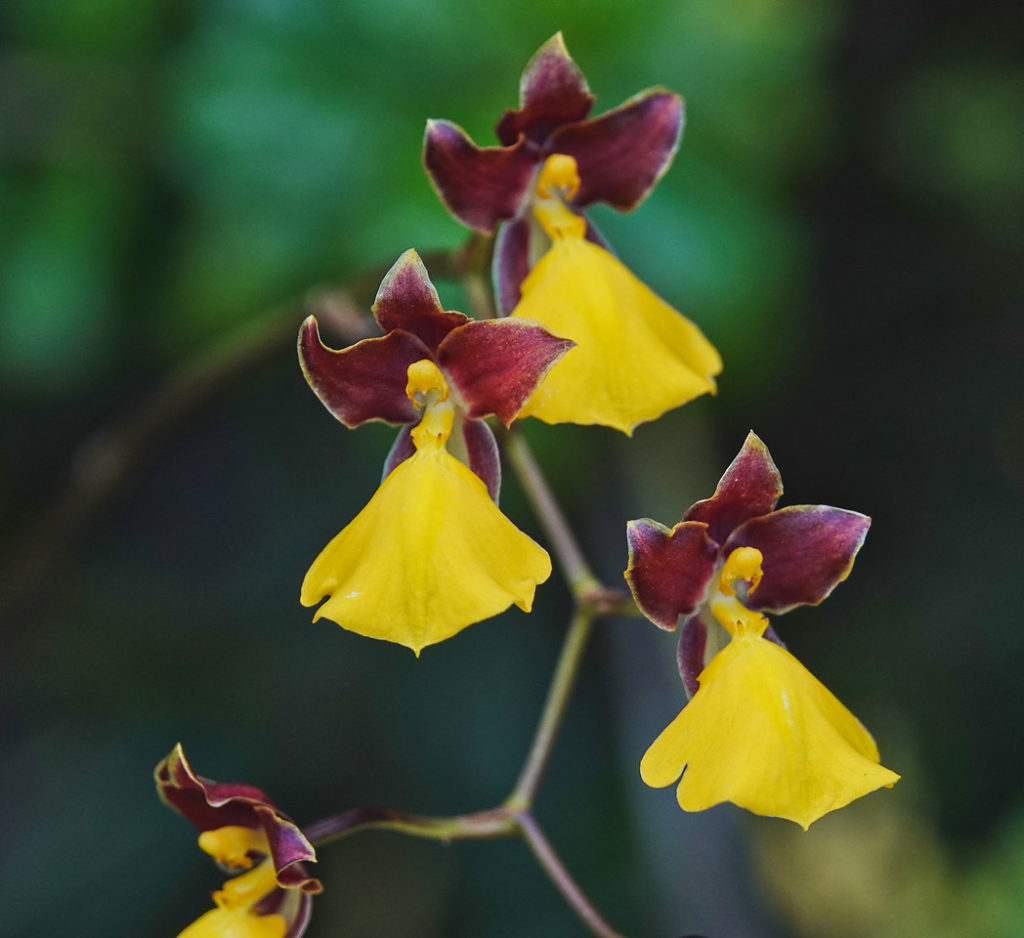
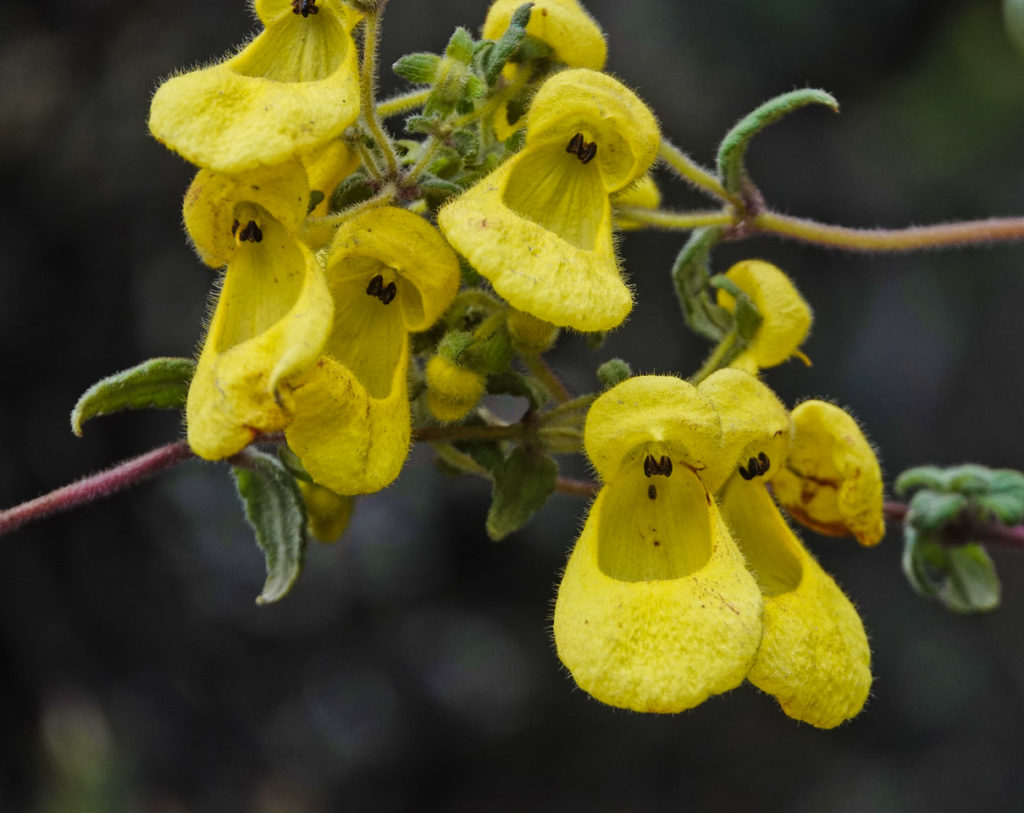
That first morning on the Manu Road gave us a good taste of what the following days would be like. We had our first sightings of the Crimson-breasted Mountain Tanager, many highland wildflowers, and vistas that only the Andean Cloud Forest can provide.
Scarlet-breasted Mountain-Tanager
Scarlet-breasted Mountain-Tanager
Looking across the valley from high on the Manu Road
Here is a selection of birds, wildflowers and views from our afternoon walk, below Wayqecha.
Looking up the Manu Road
Across at the opposite slopes
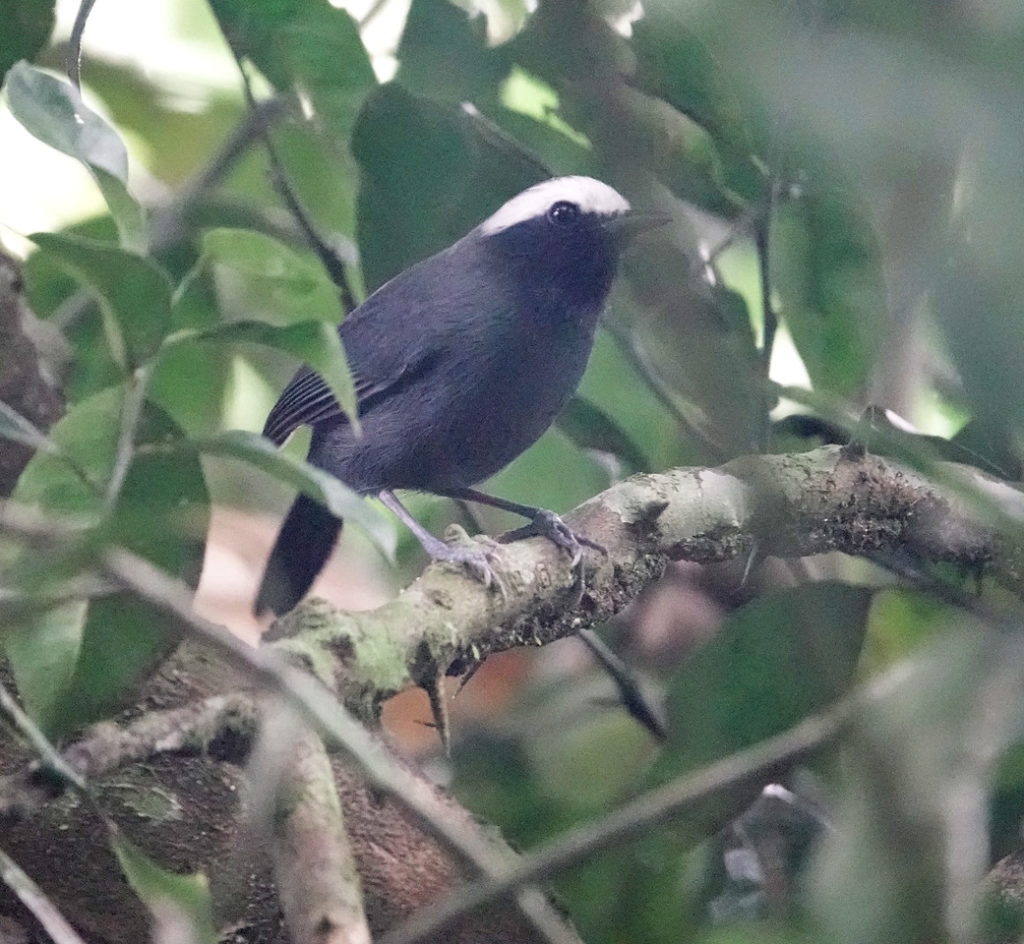
Slaty-backed Chat-Tyrant
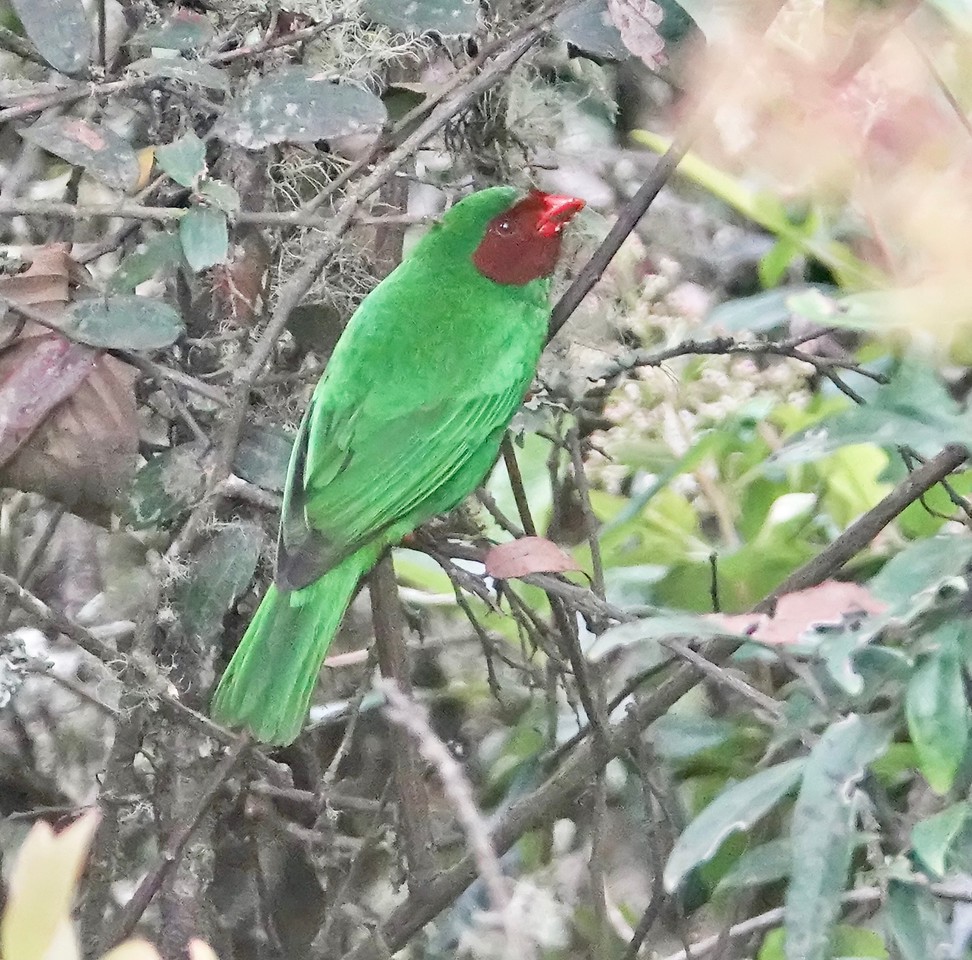
Grass-green Tanager
Golden-collared Tanager
Rufous-capped Thornbill
Marcapita Spinetail
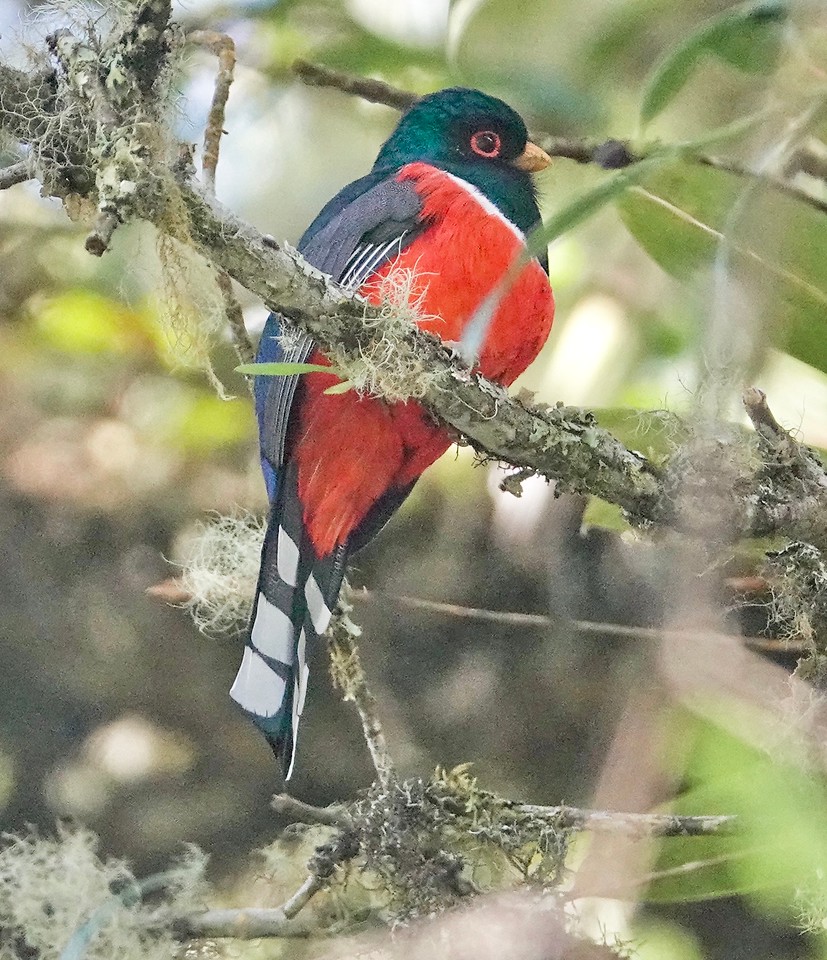
Masked Trogon
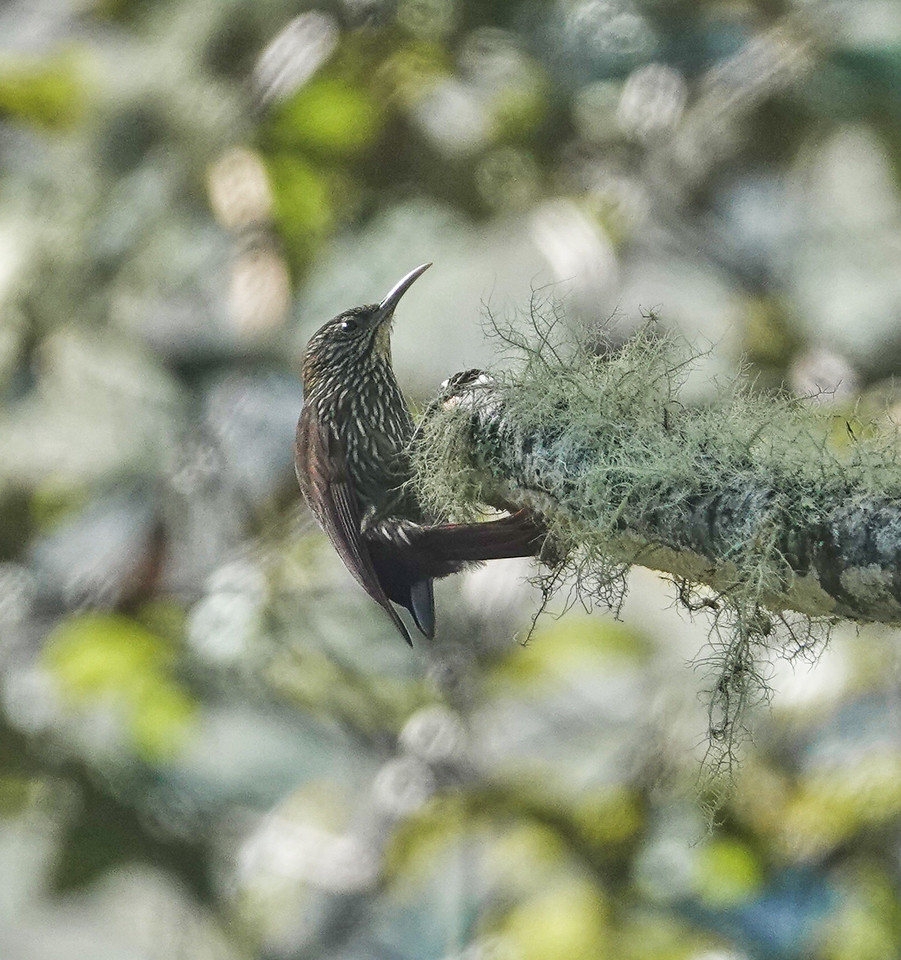
Montane Woodcreeper
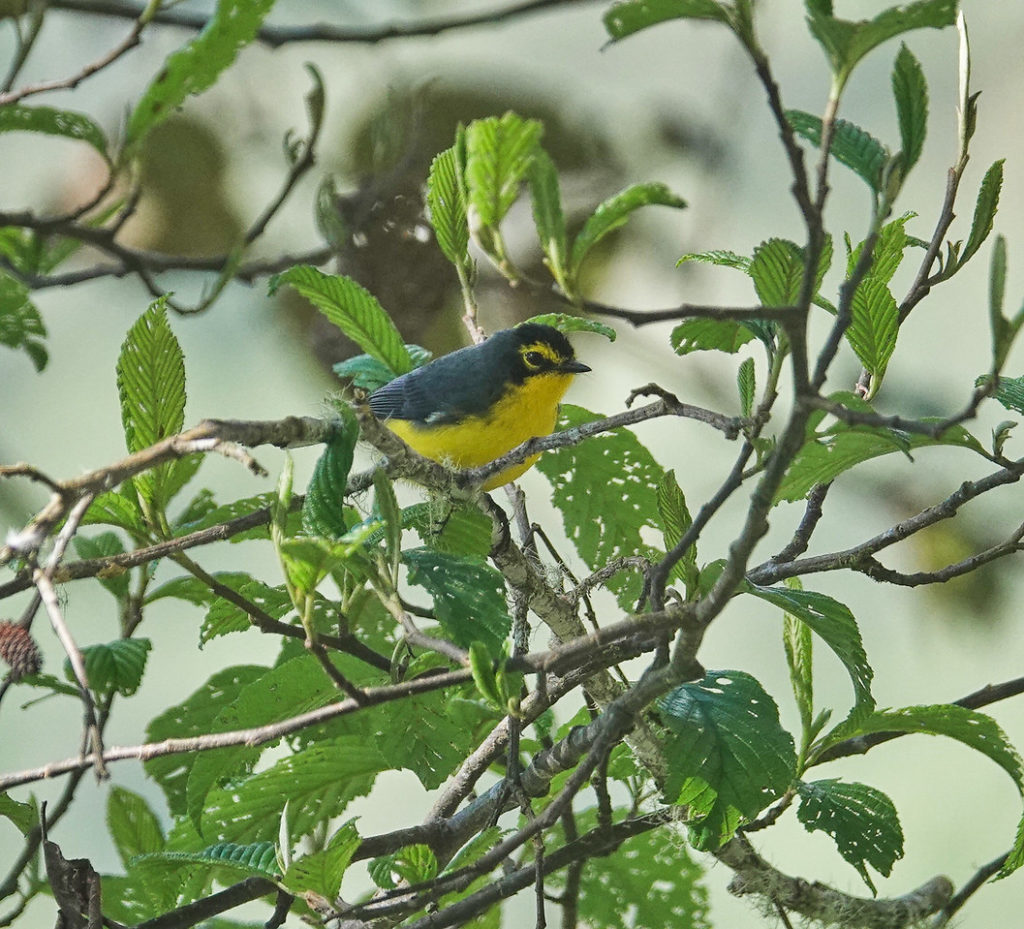
Spectacled Redstart
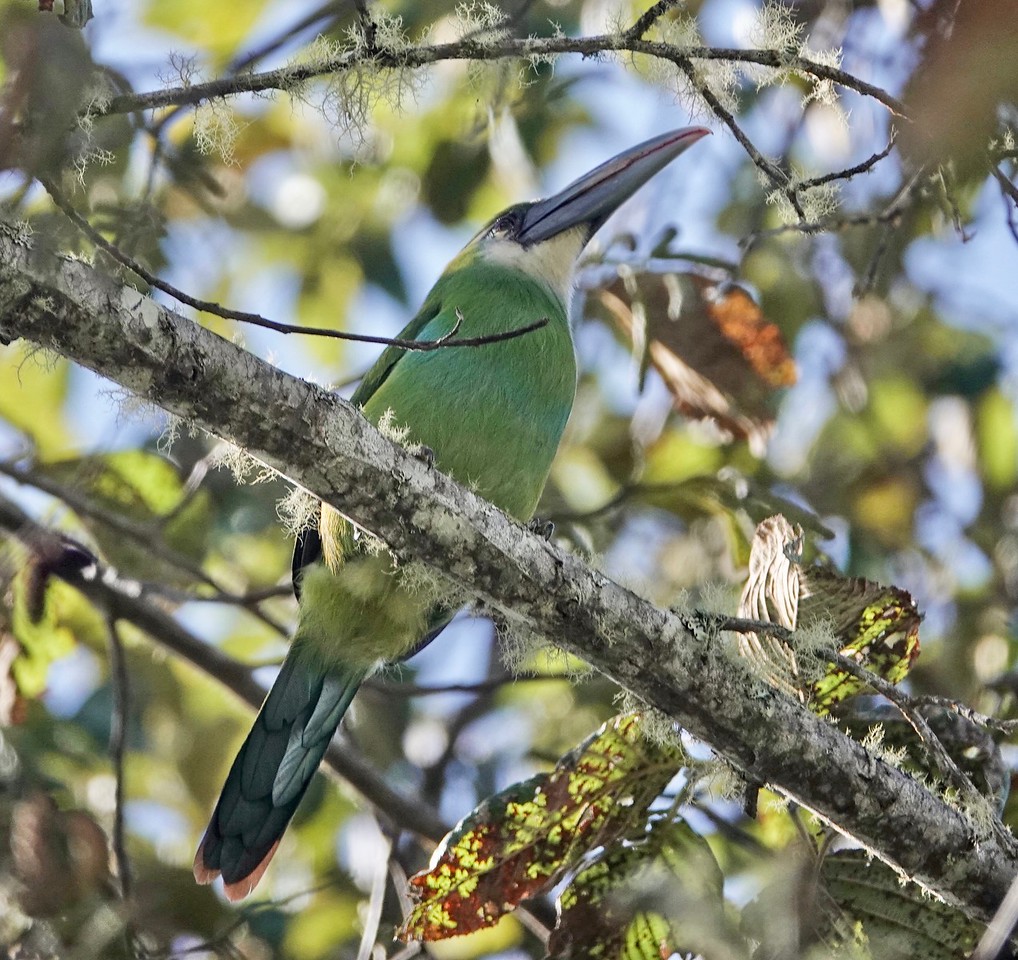
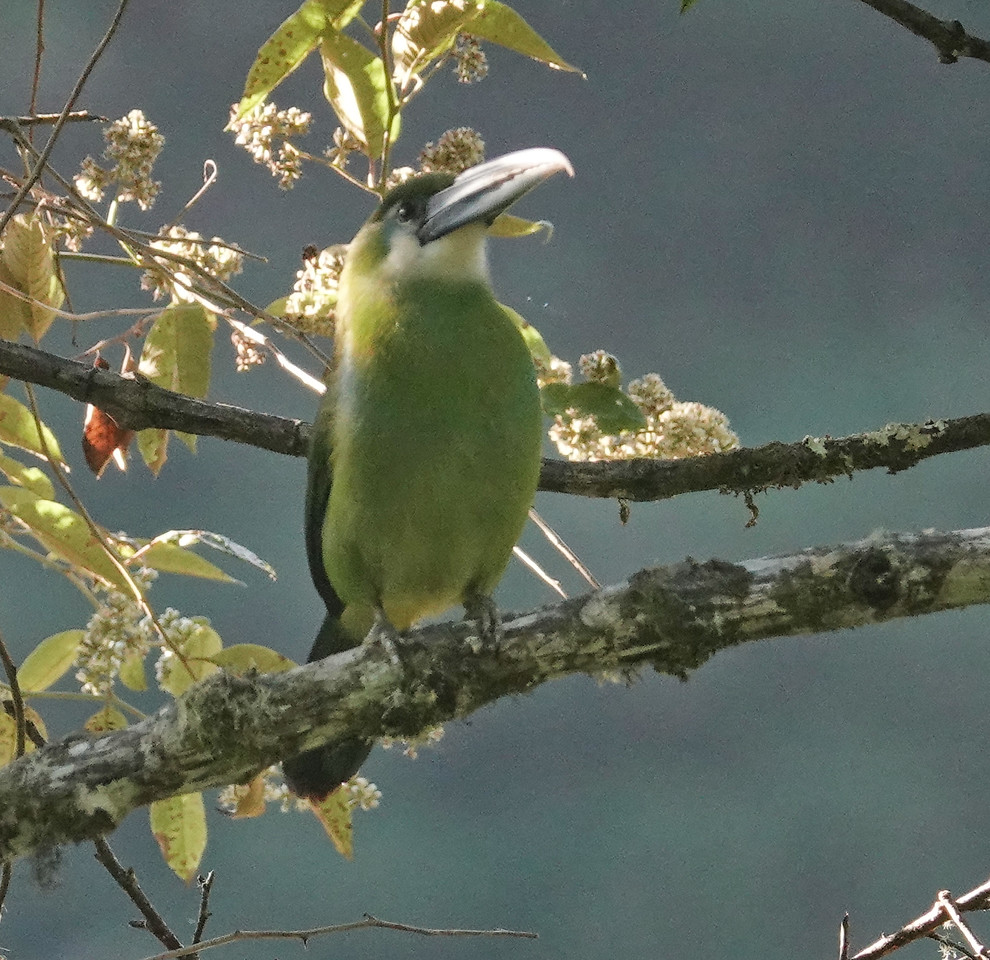
Blue-banded Toucanet
Humboldt’s Perisama
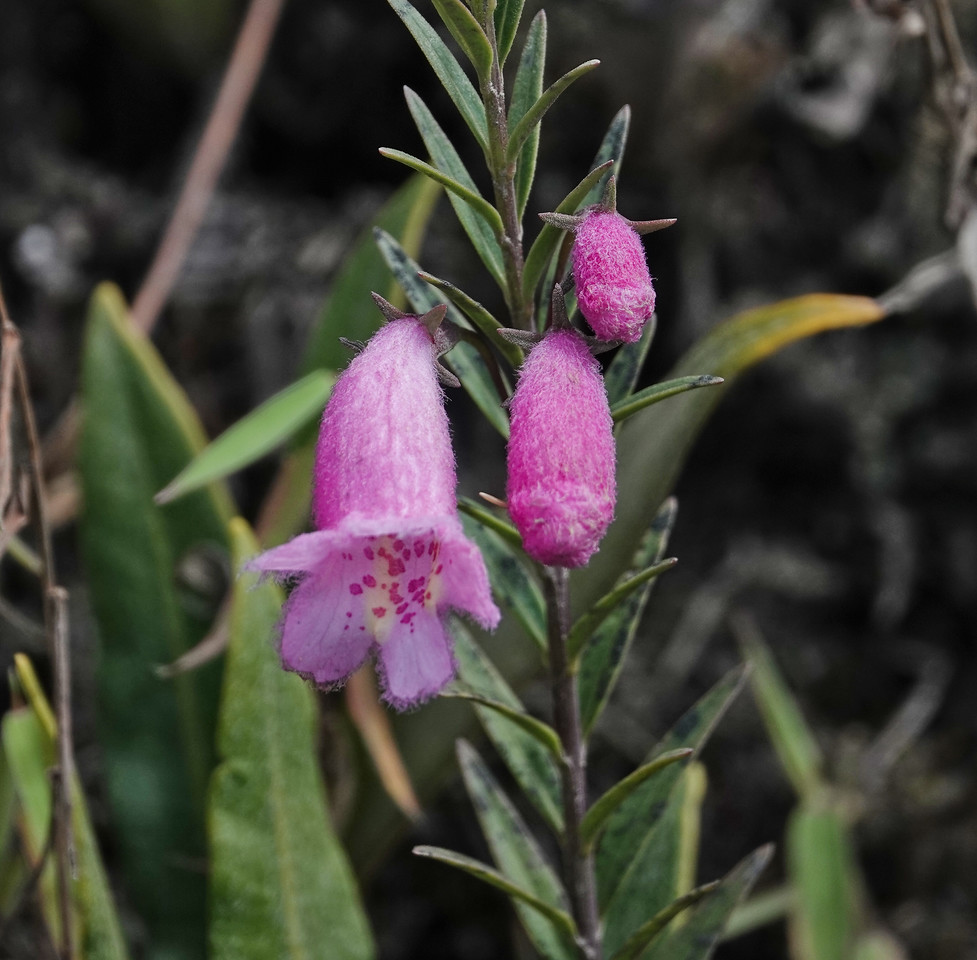
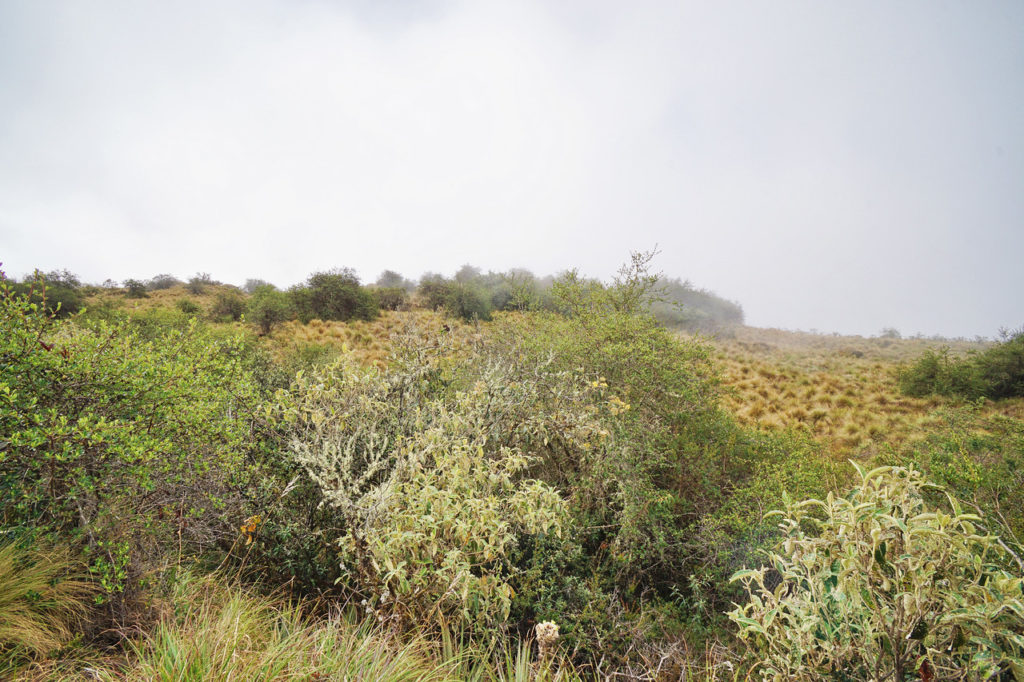
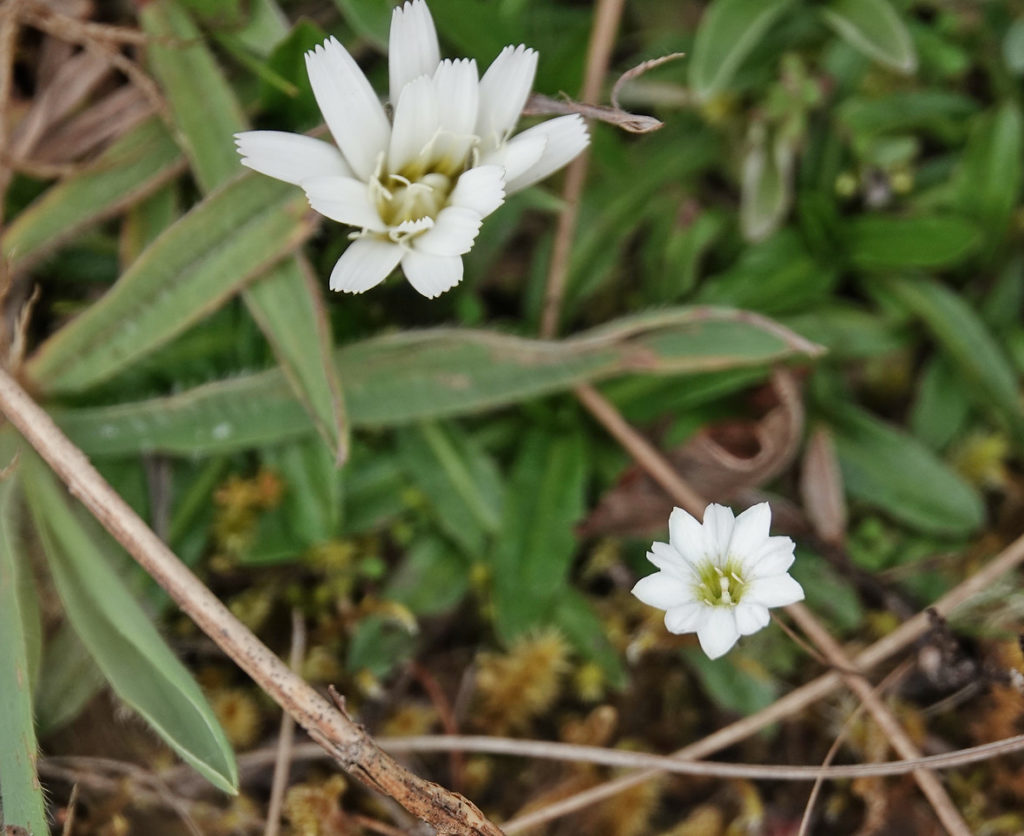
We made another visit to the Puna near the entrance station to Manu National Park while at Wayqecha Biological Station. Again, the Puna is the dry grass and shrub area above tree-line in the Andes. Clouds were rolling across the summit when we visited and there were not many birds around, but I was satisfied with the wildflowers.
Puna above tree line and above the Manu National Park entrance station.
The next morning we packed up and headed down the Manu Road toward Villa Carmin Biological Station in the foothills. The target bird of the day was the Andean Cock-of-the-Rock and we had a late afternoon appointment at the Cock-of-the-Rock lek near Cock-of-the-Rock Lodge, half way between Wayqecha and Villa Carmin. The morning, however, as we slowly drove and walked the section of the Manu Road above Cock-of-the-Rock Lodge, turned out to be highly productive. Here is a small sampling of what we saw.
Blue-banded Toucanet
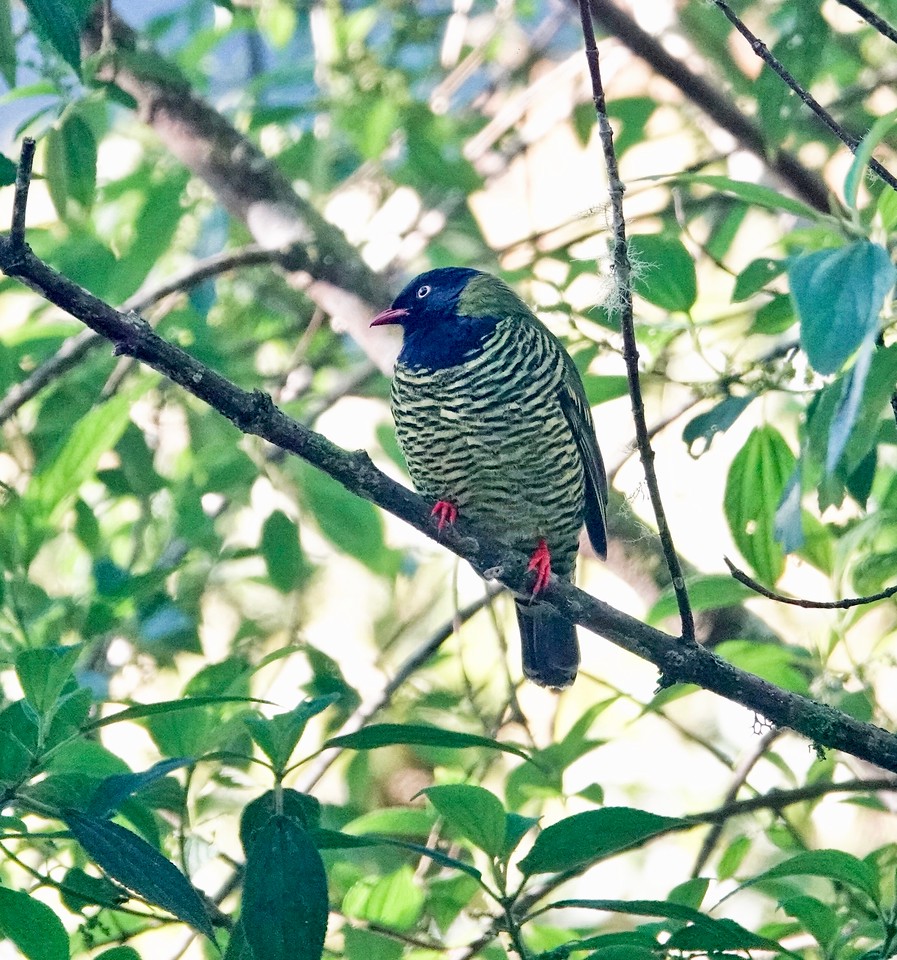
Barred Fruiteater
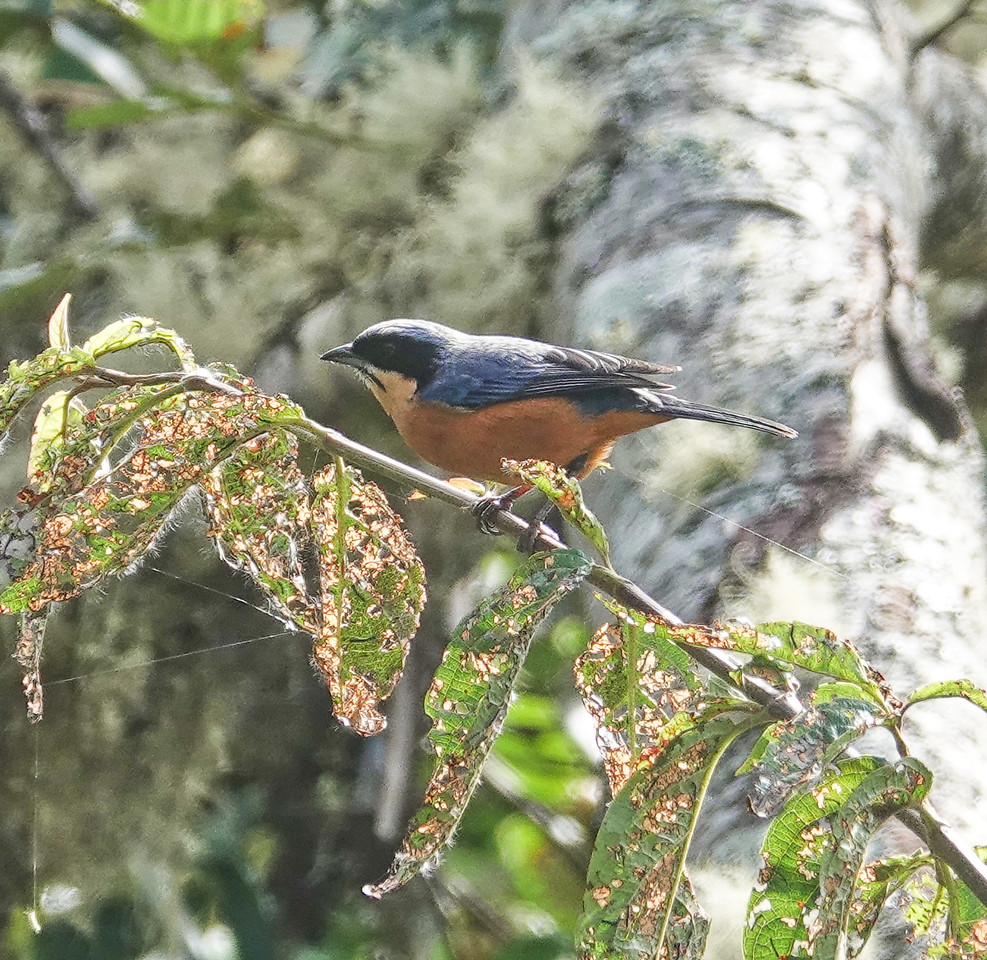
Chestnut-bellied Mountain Tanager
White-collared Jay
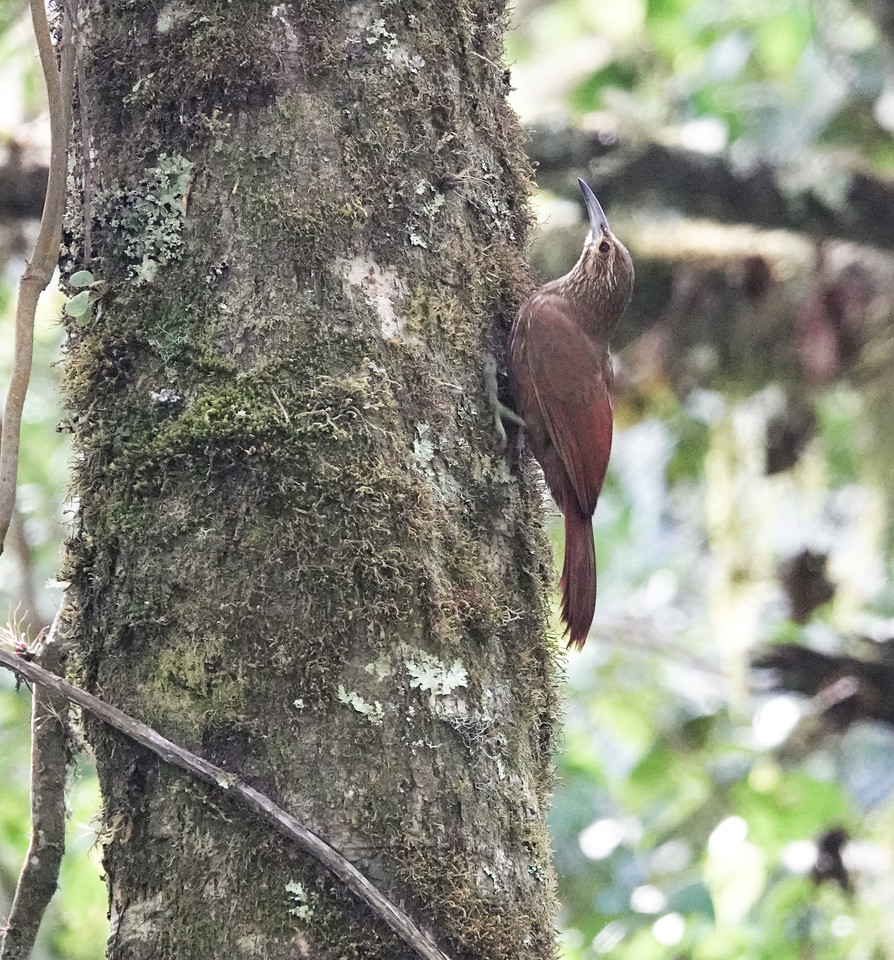
Strong-billed Woodcreeper
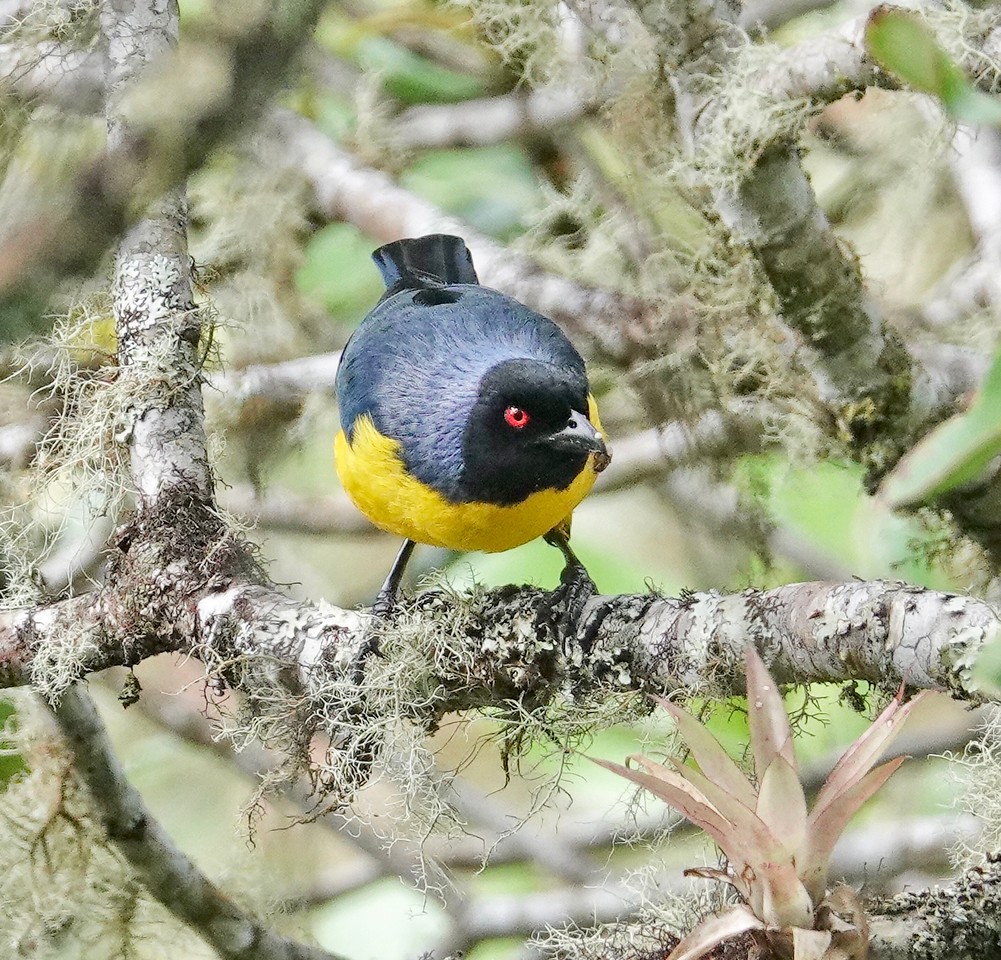
Hooded-Mountain Tanager
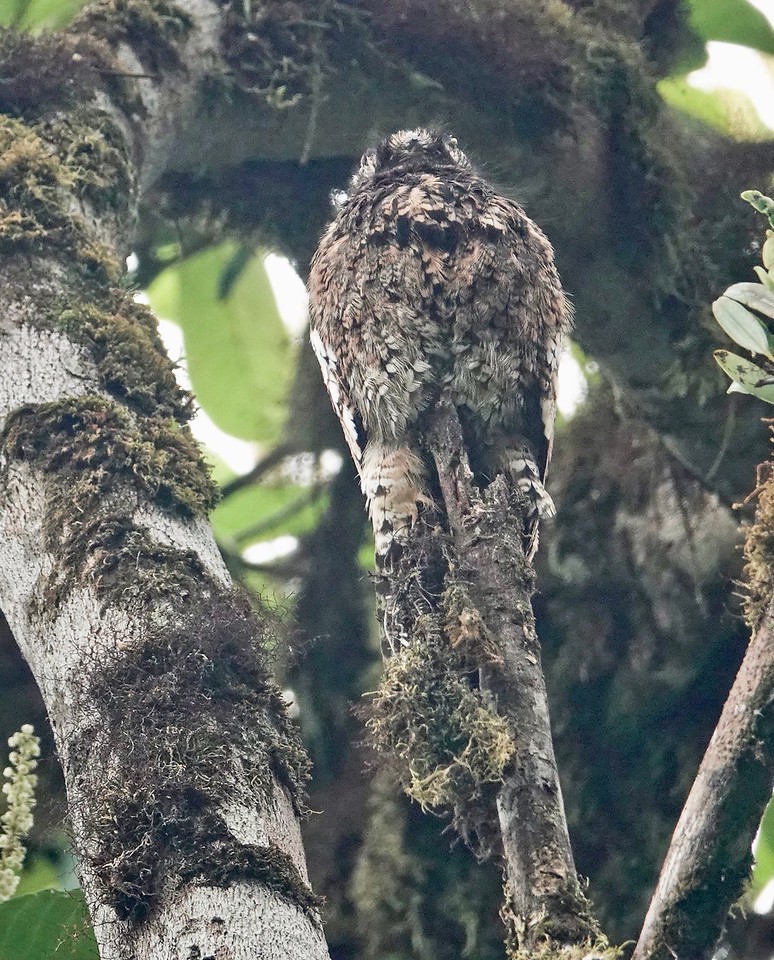
Andean Potoo
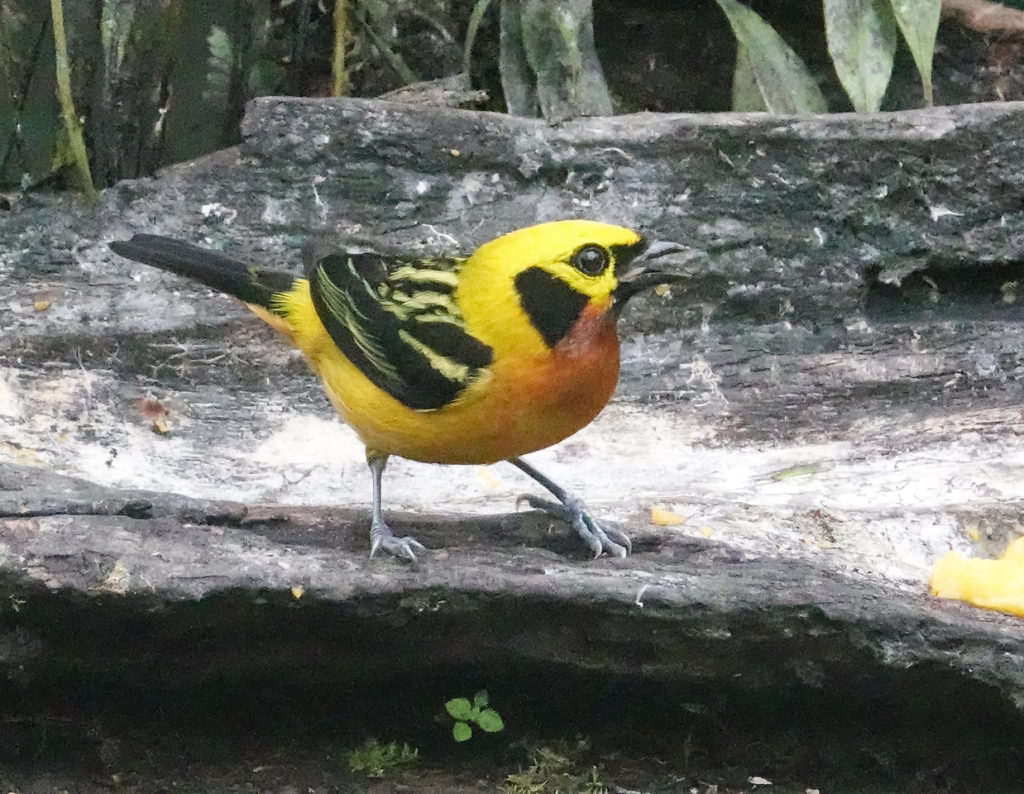
Golden-naked Tanager
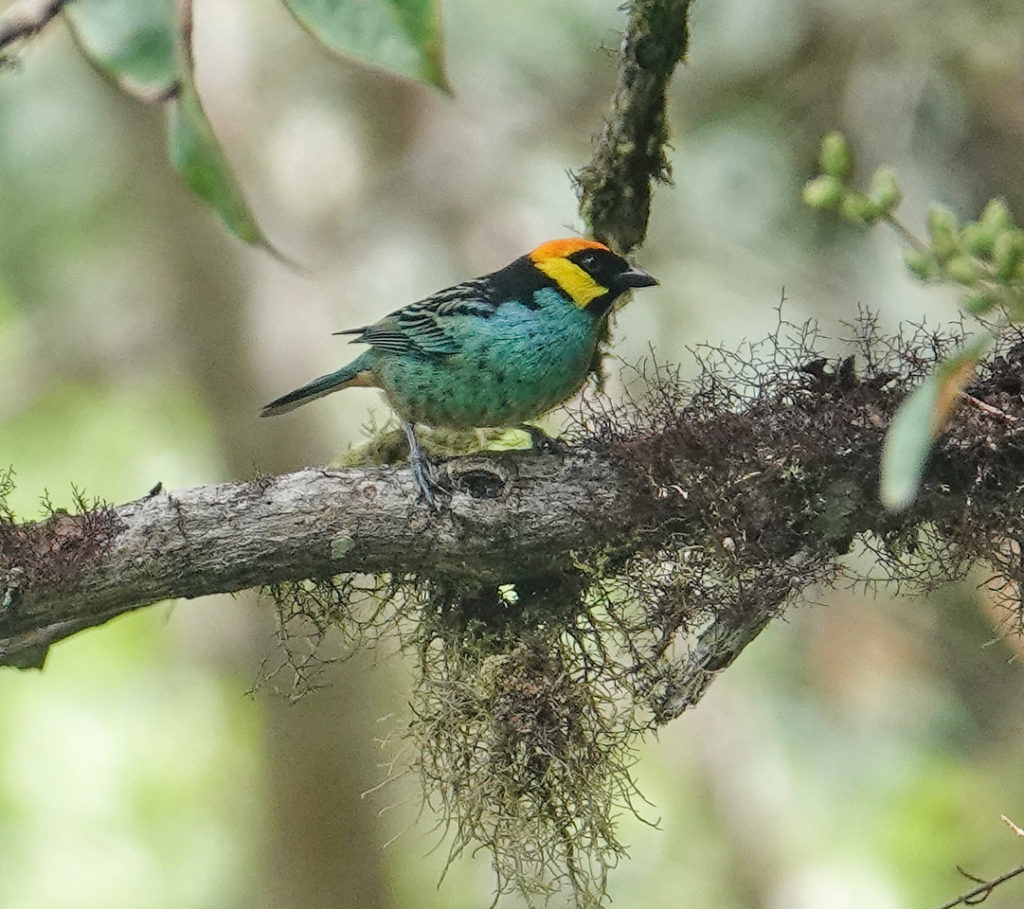
Saffron-crowned Tanager
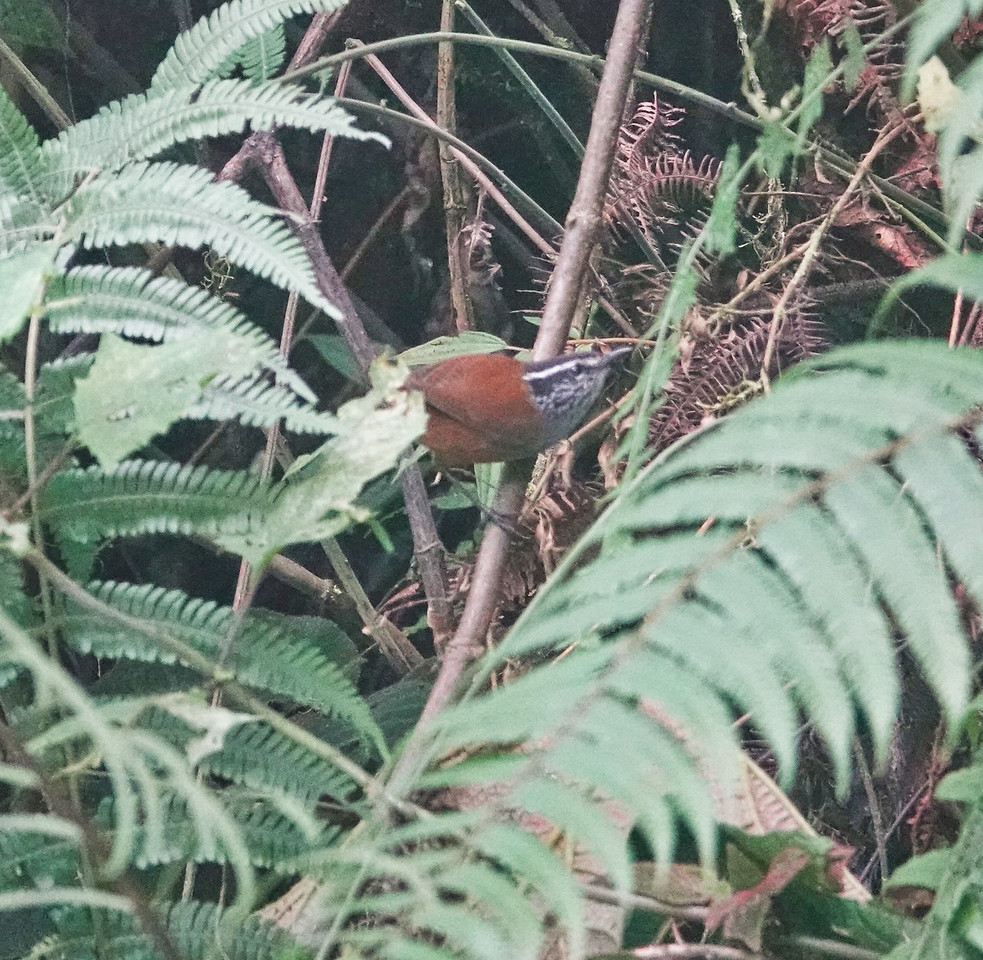
Inca Wren
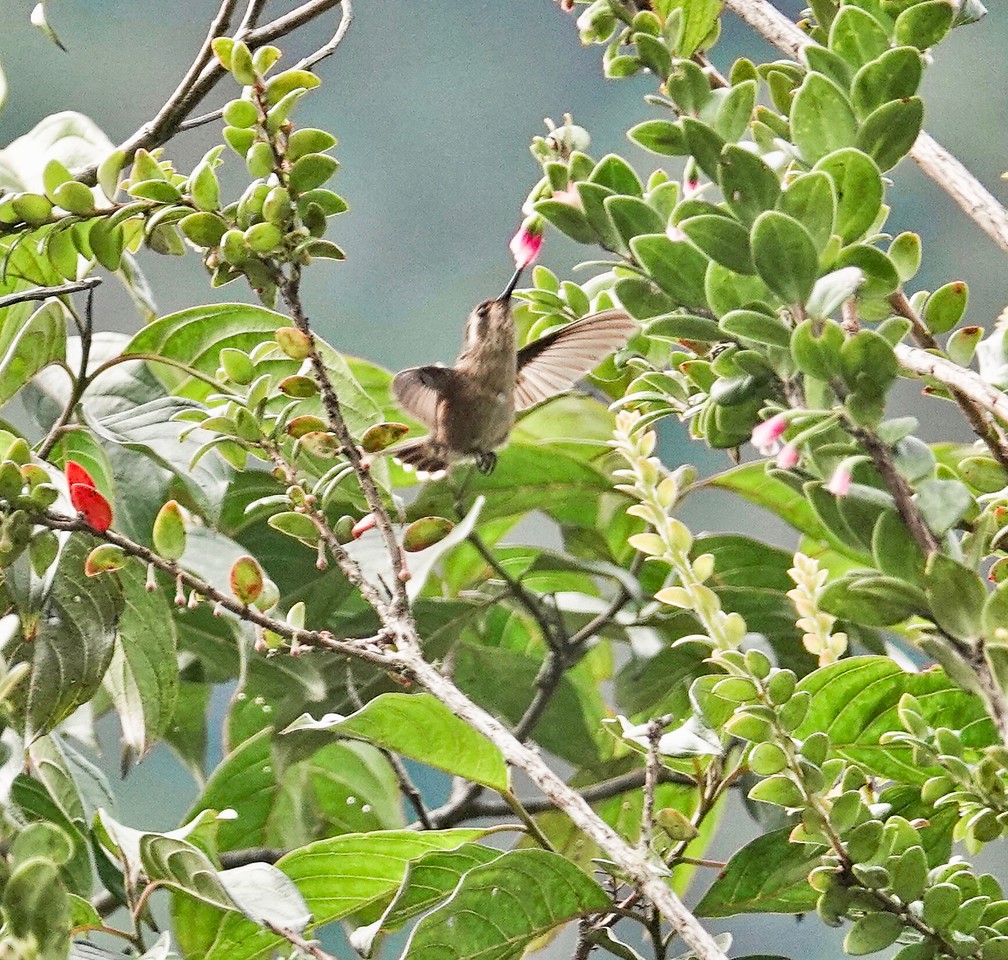
Little Woodstar?
Cock-of-the-Rock Lodge has a fame all its own, and is worth visiting for more than the nearby CotR lek. The feeding station, hummingbird feeders, and plantings in the back yard below the dinning hall attract a wide variety of hummingbirds, tanagers, sparrows, woodpeckers, etc.
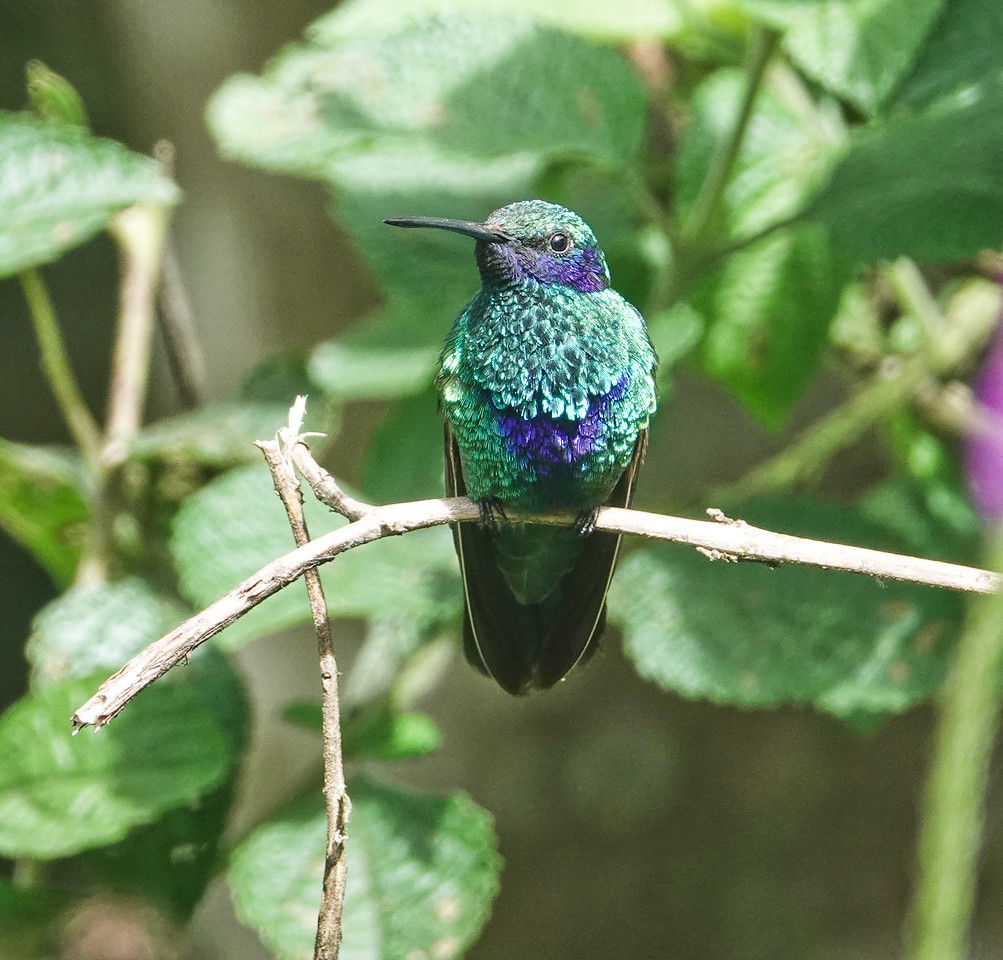
Sparkling Violetear
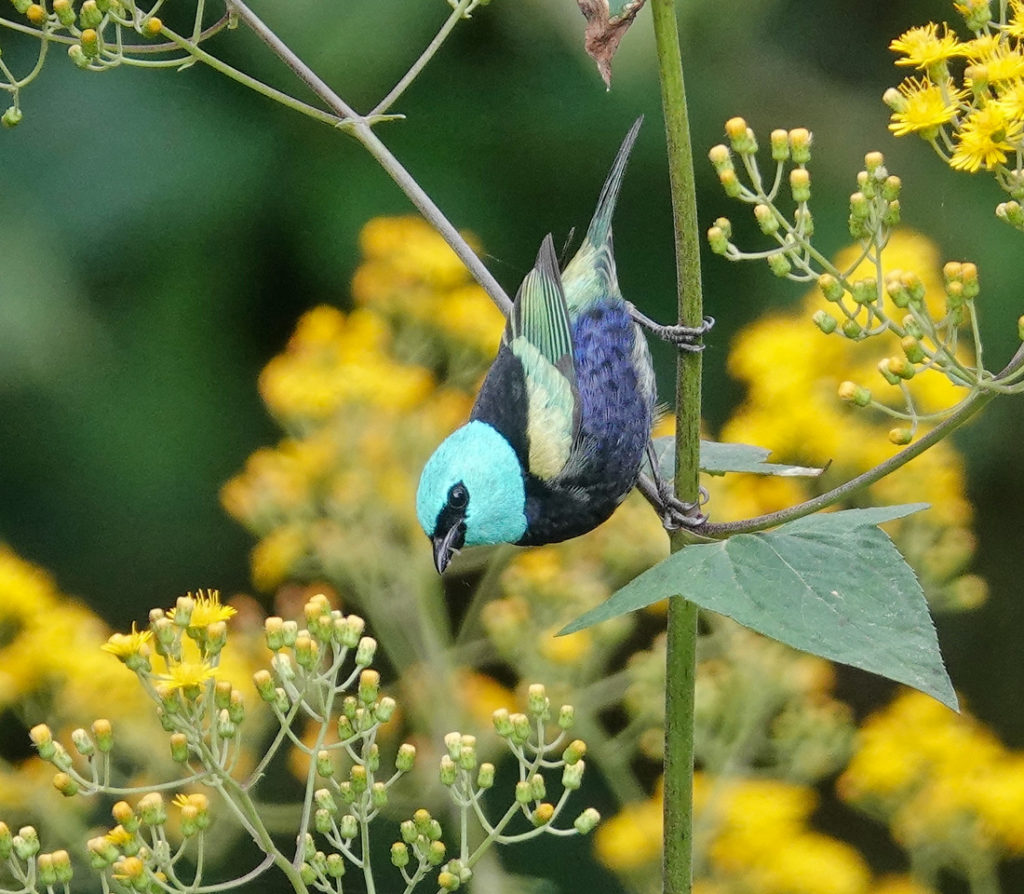
Blue-necked Tanager
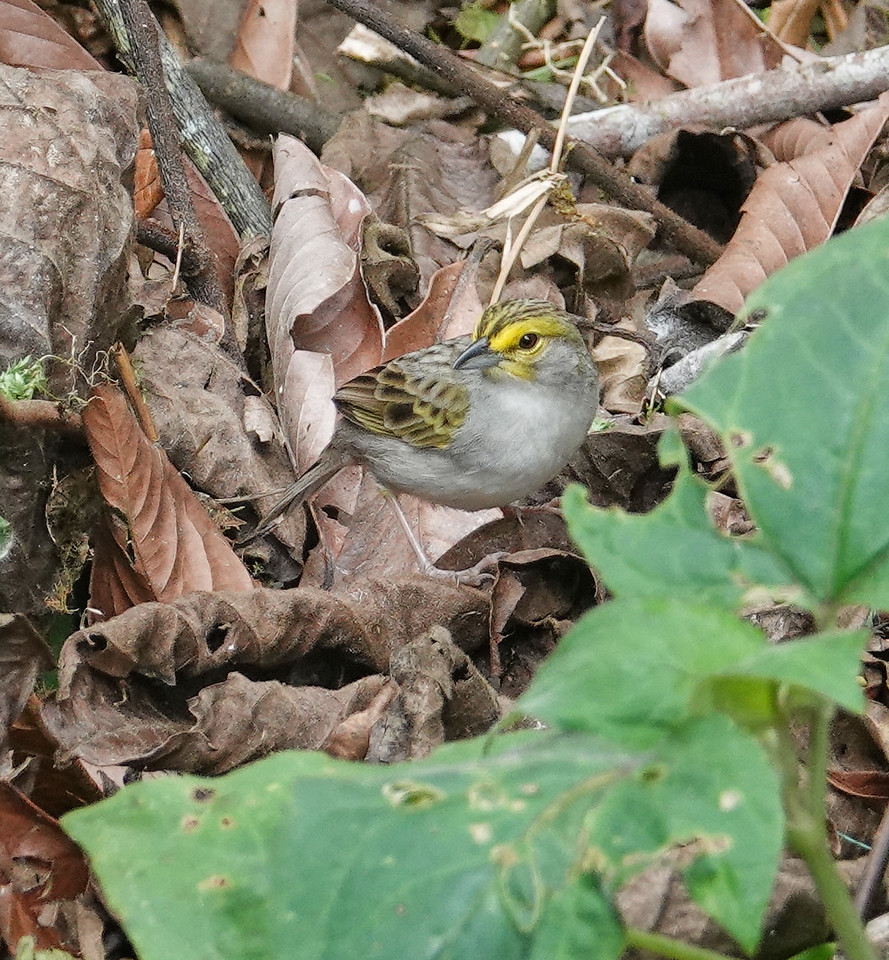
Yellow-browned Sparrow
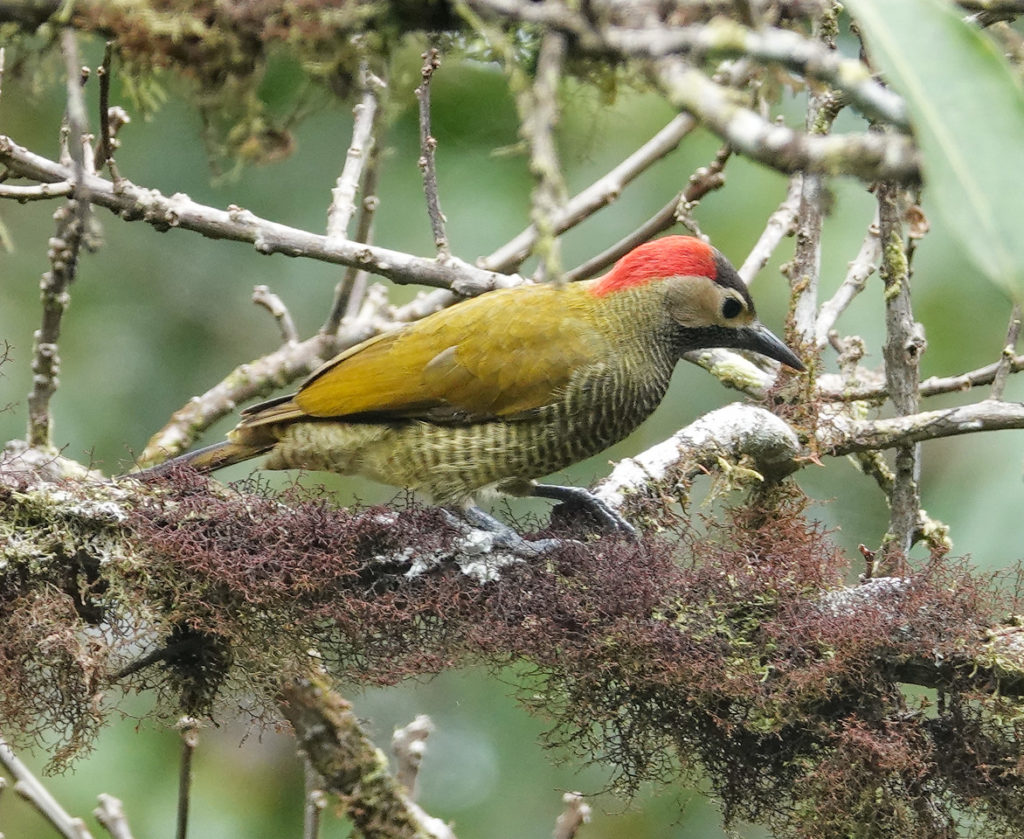
Golden-olive Woodpecker
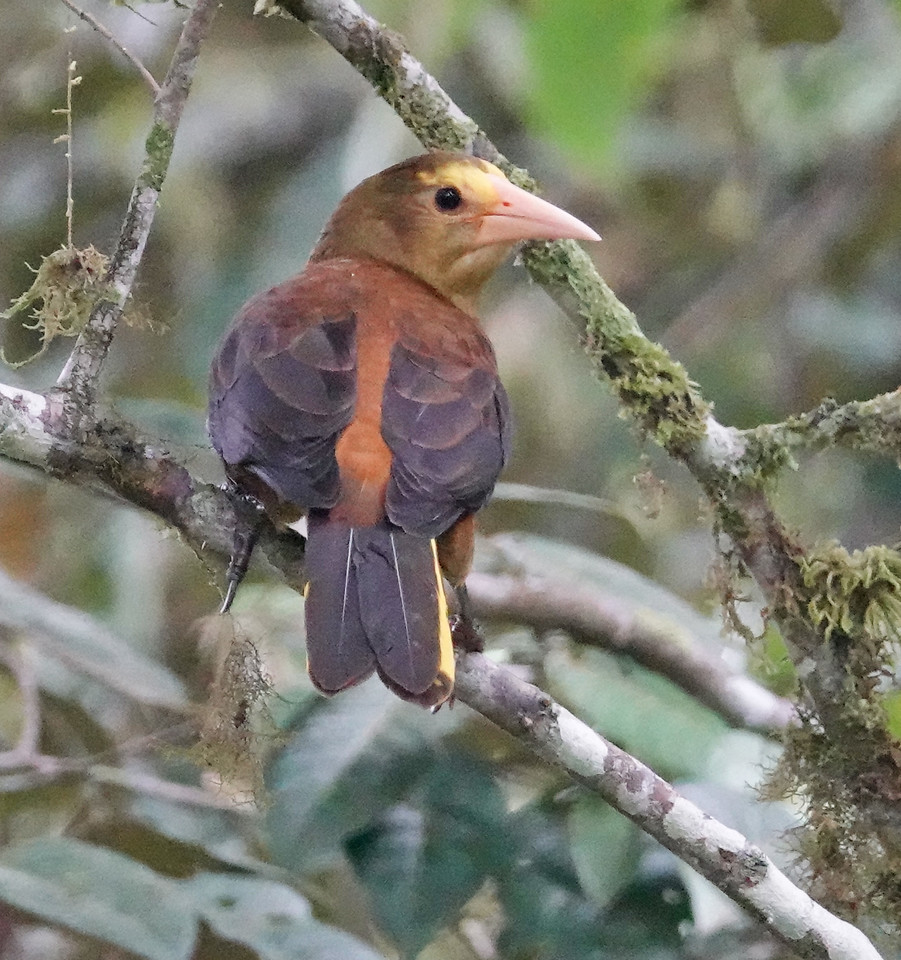
Russet-backed Oropendola
Wire-created Torntail
Golden Tanager
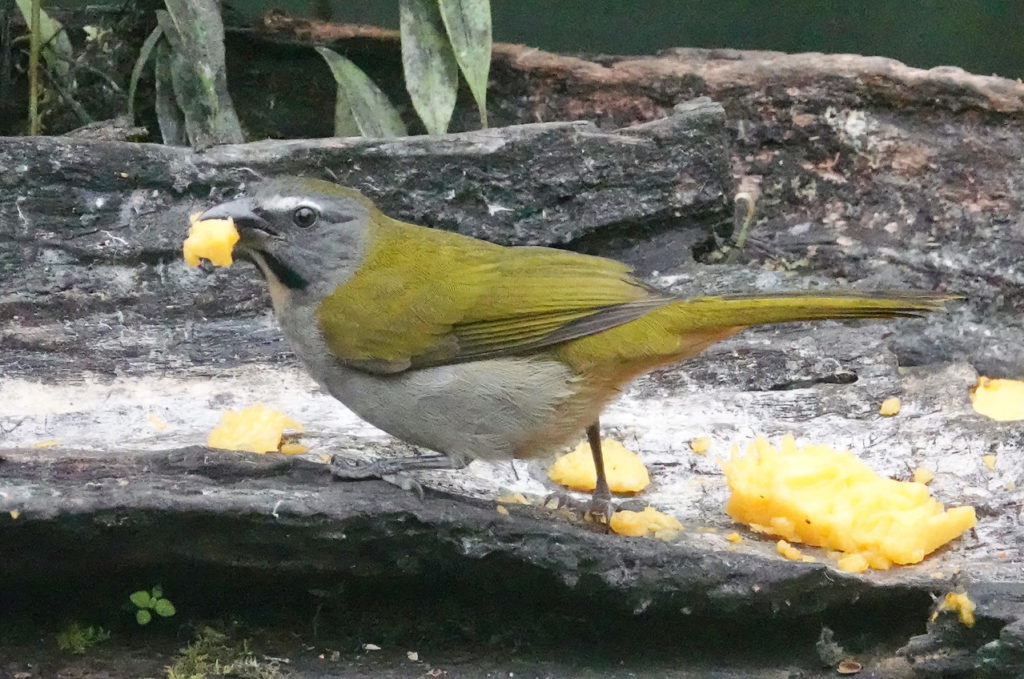
Buff-throated Saltator
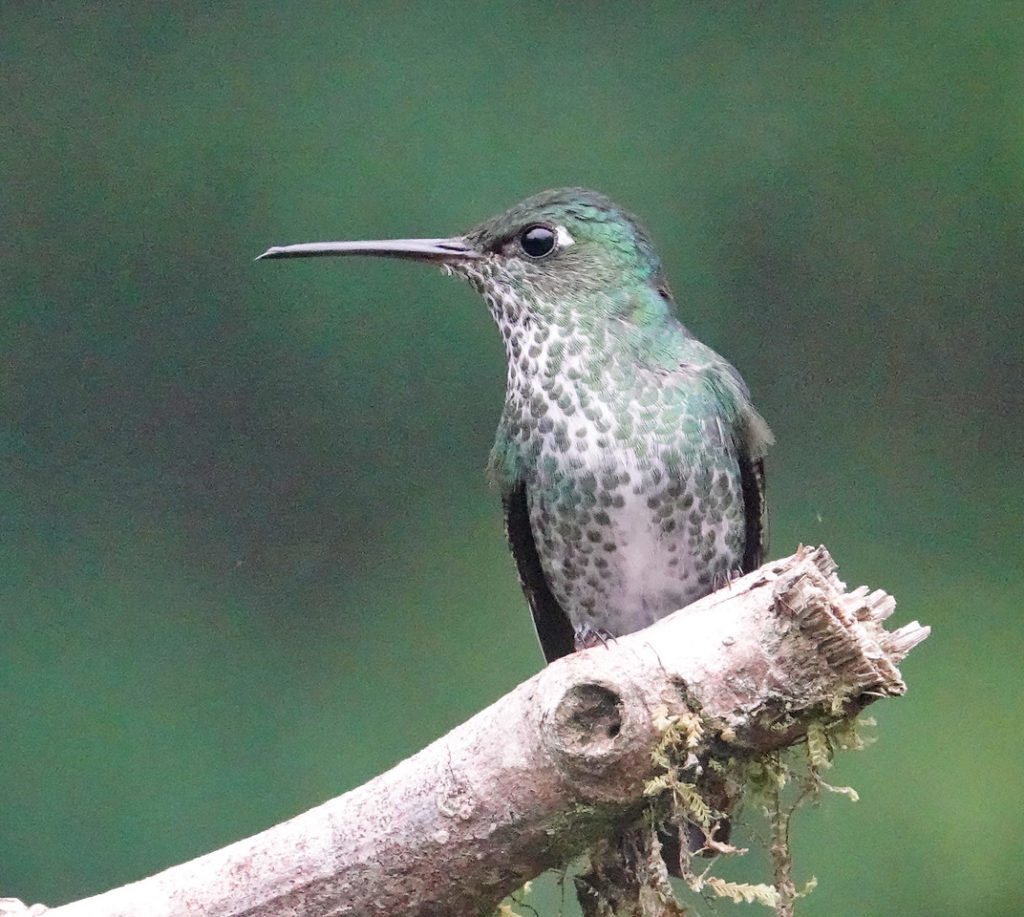
Many-spotted Hummingbird
Sparkling Violetear
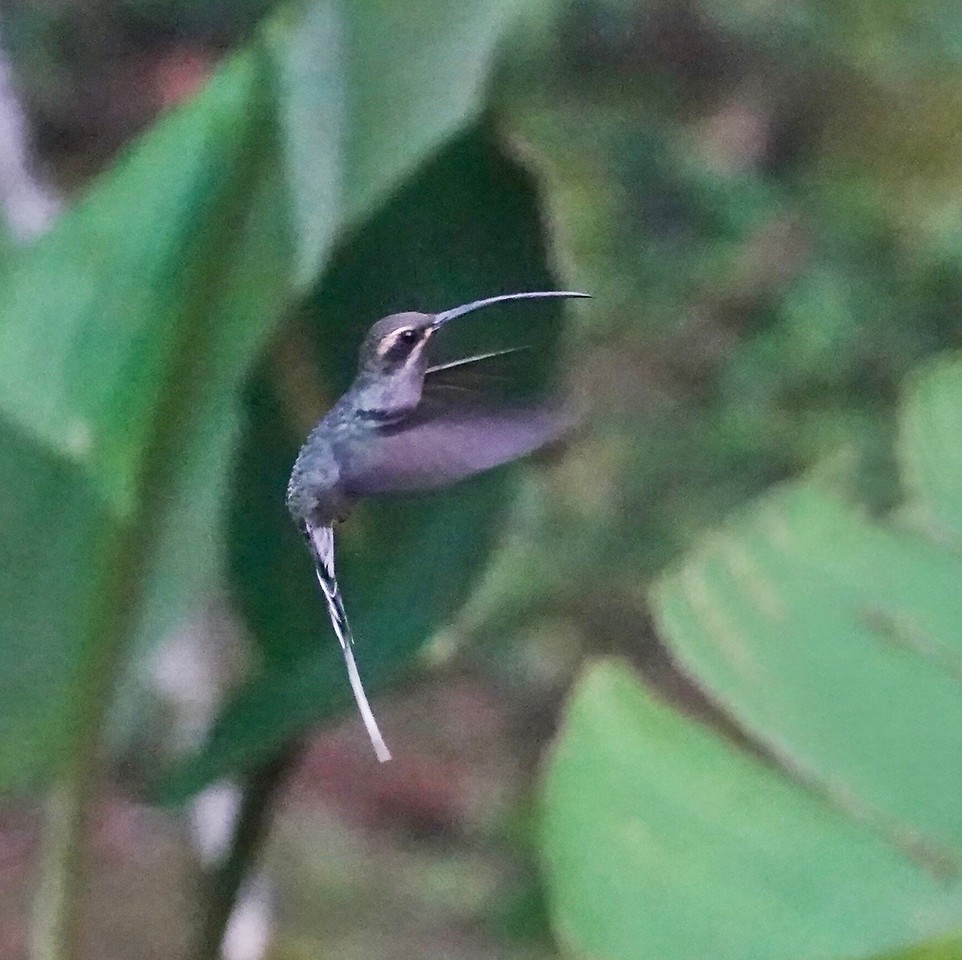
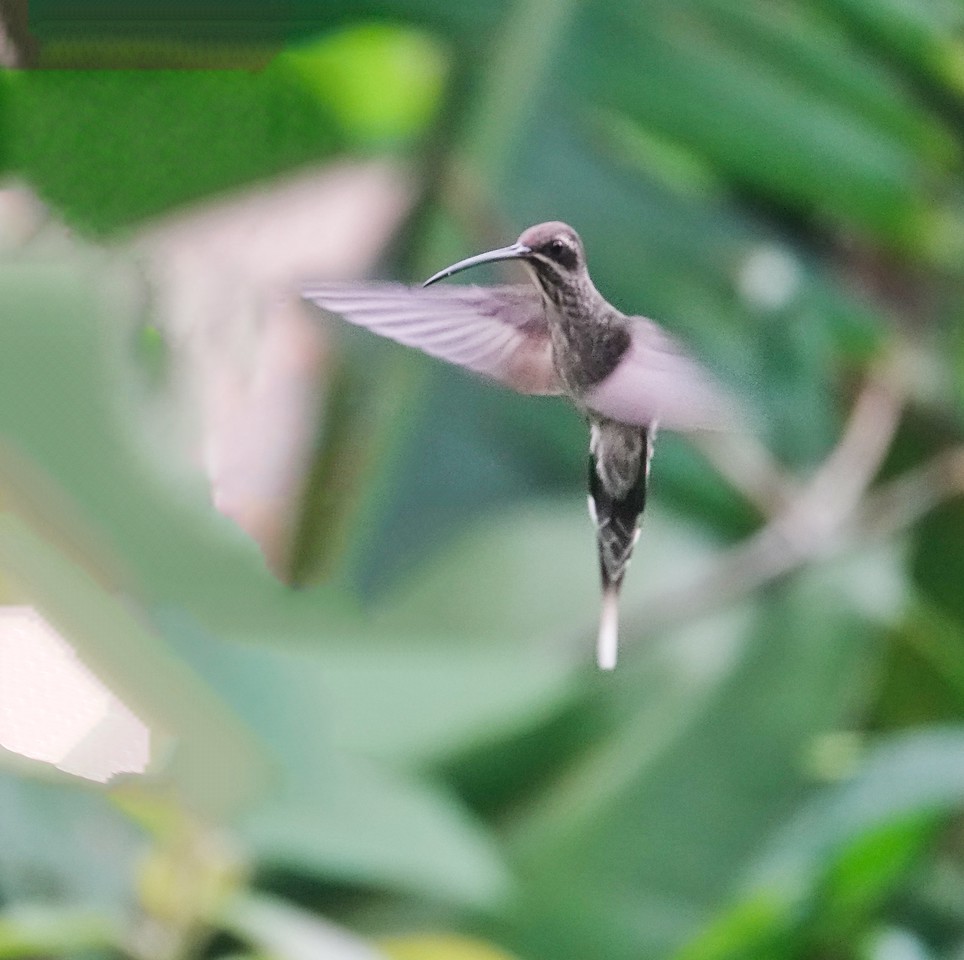
Long-tailed Hermit
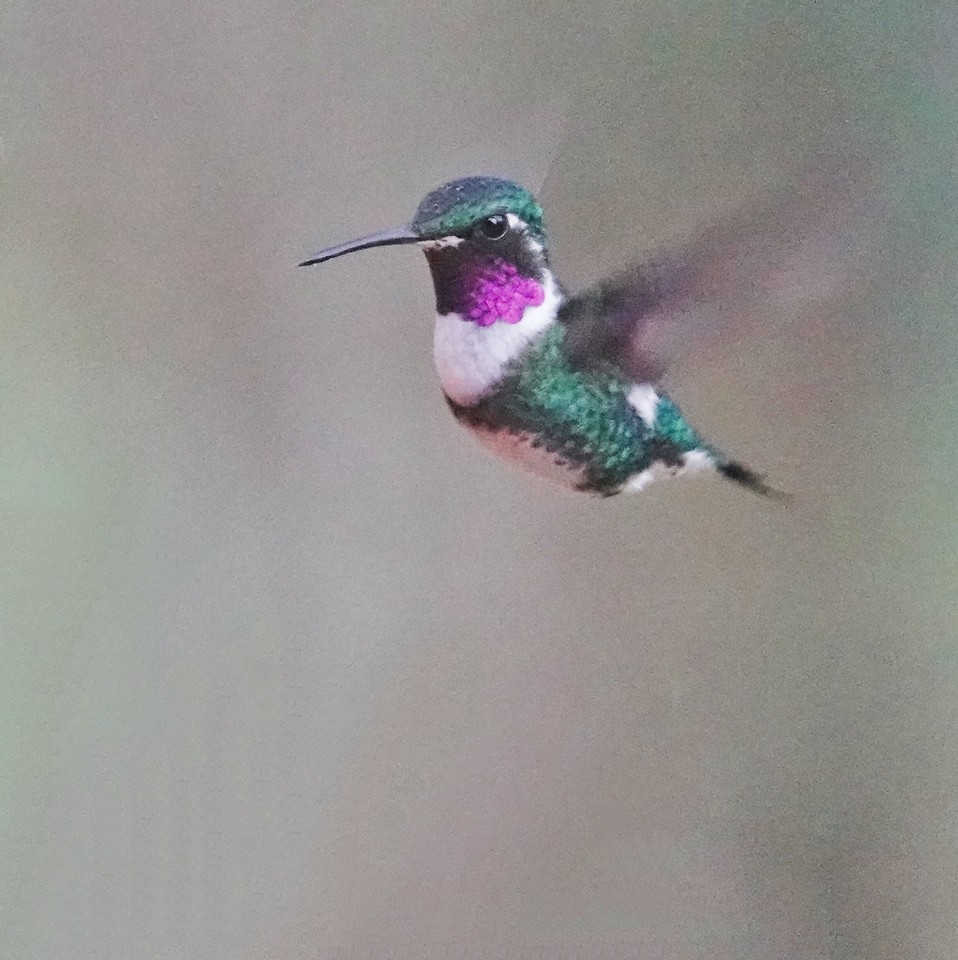
White-bellied Woodstar
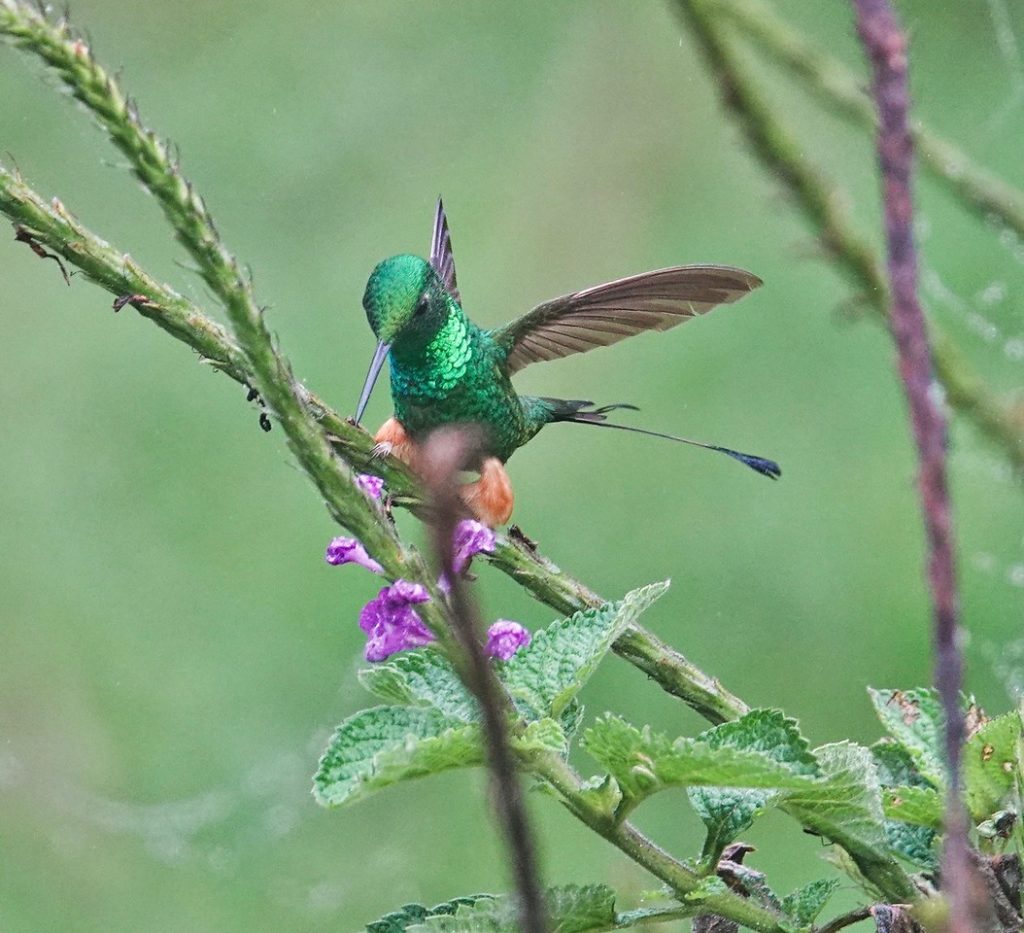
Booted Racket-tail
Booted Racketail
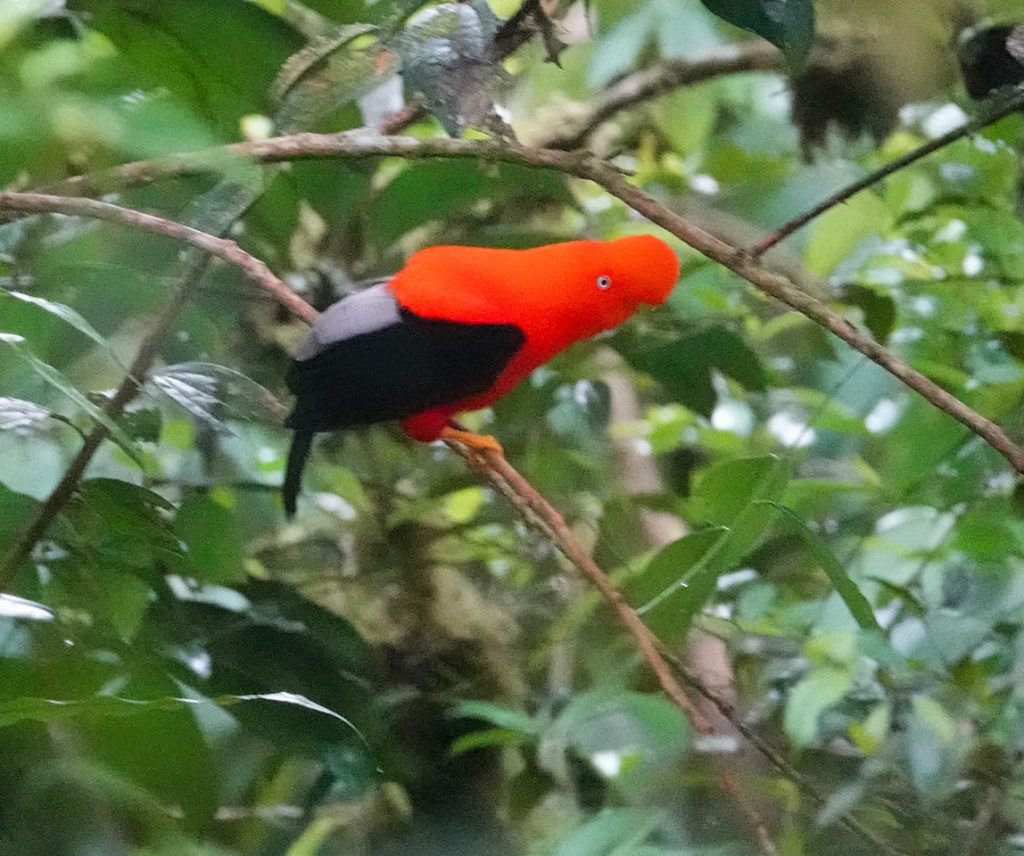
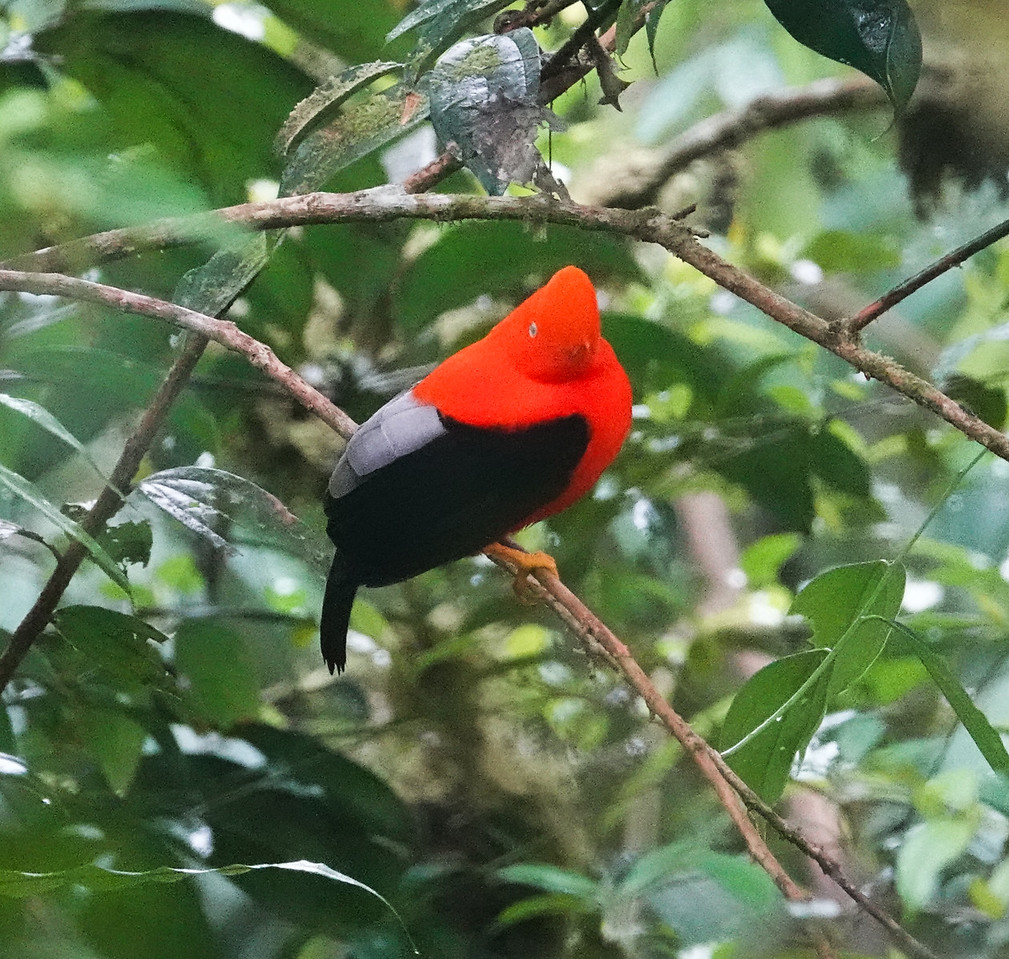
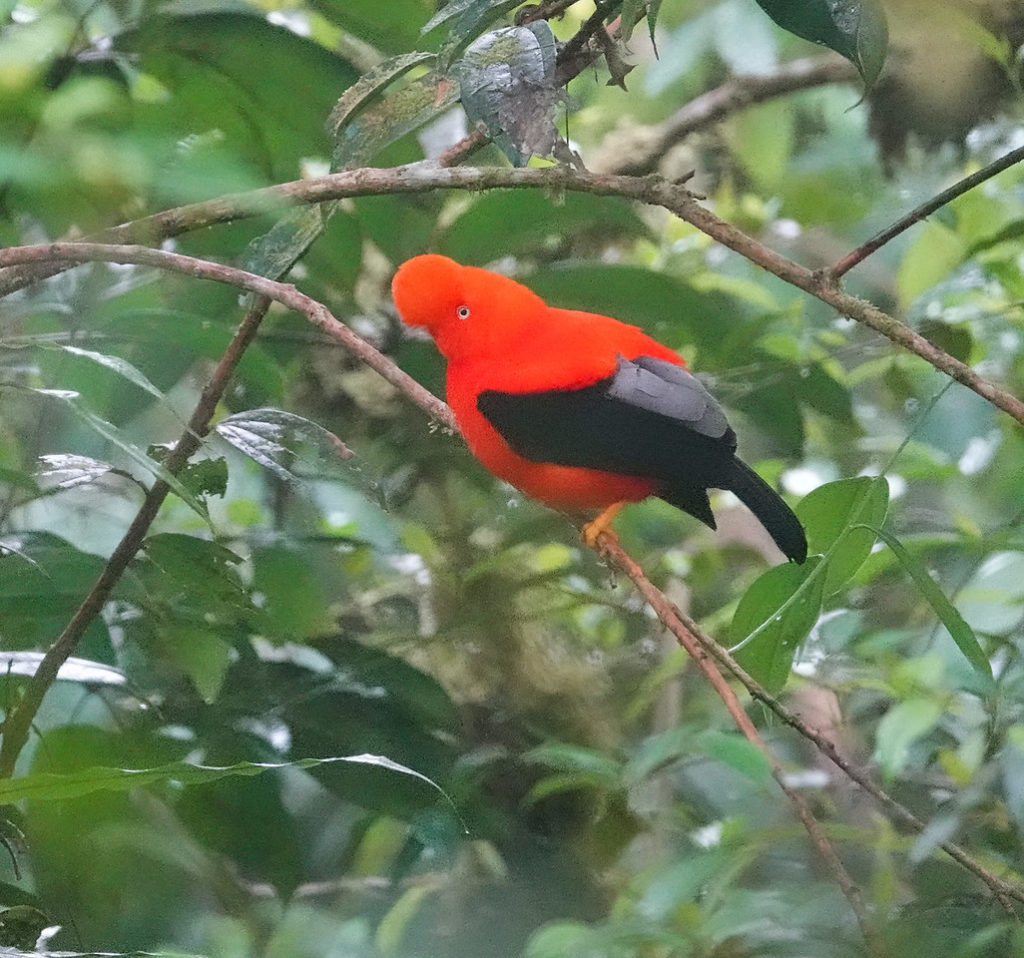
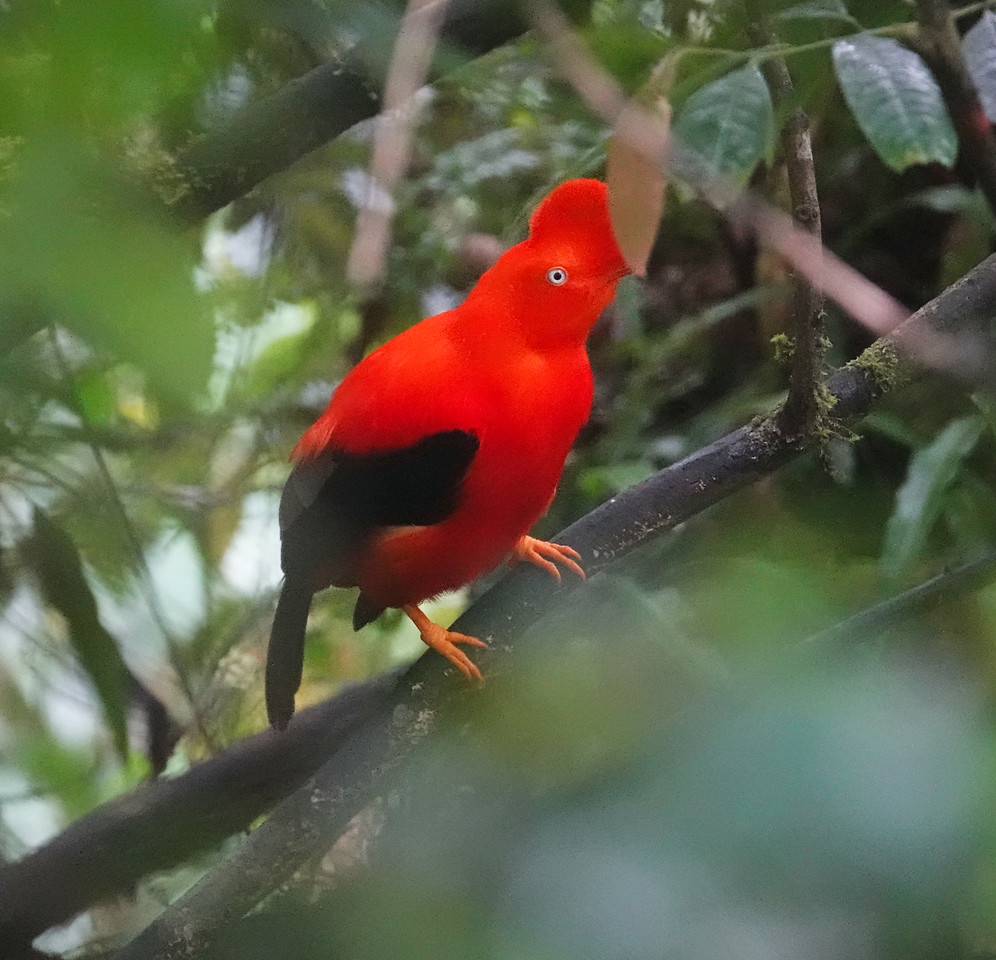
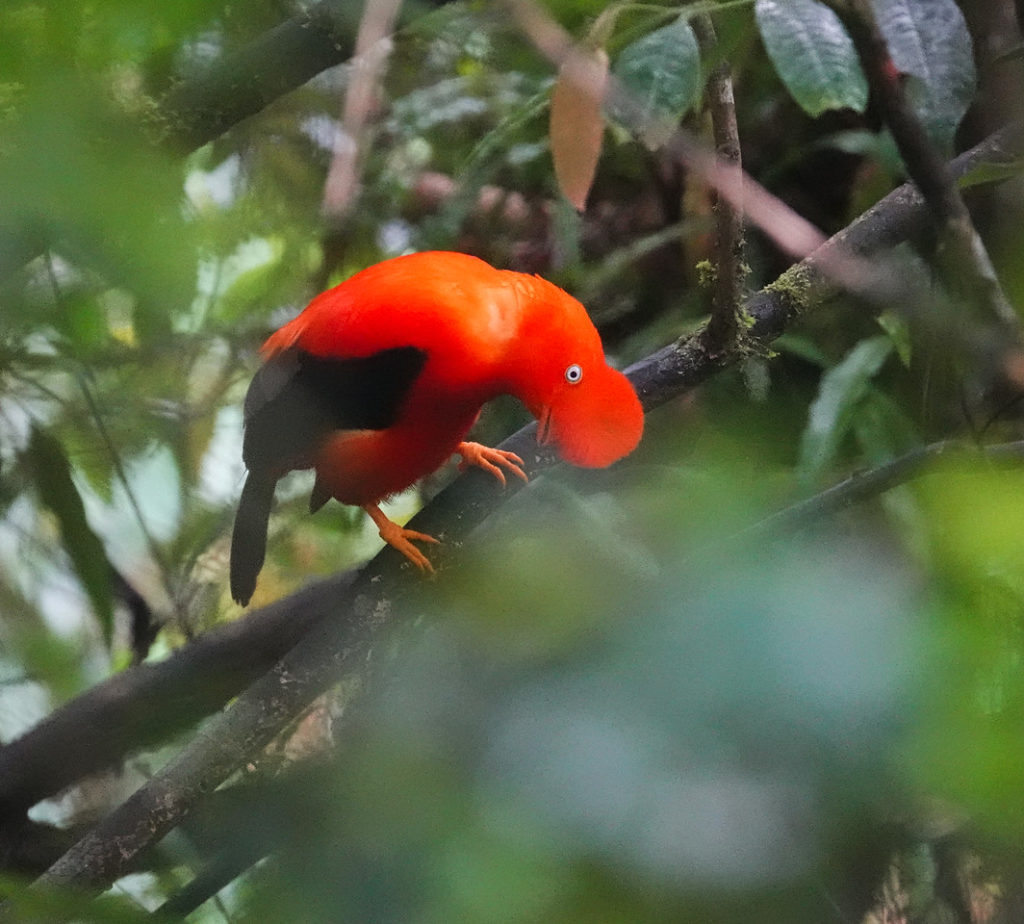
They take appointments for the lek both morning and afternoon, during the hours when the the male Cock-of-the-Rocks are likely to be displaying. We had an afternoon appointment and I was a bit worried, as we watched the bird show around the feeders at the lodge, and as the clouds rolled in and the day darkened, that we would not have much light left after 4PM. Still, we were there. They maintain a rough covered platform for observing the birds, on a slope above the lek. We went in early to get the prime spots for photogrpahy…at the far end of the platform…but it turned out there were only a few others scheduled for that afternoon, and they came and went quickly. We saw our first Cock-of-the-Rock before official opening time and before anyone else arrived. Again, like most experiences on the Manu Road, your experience at the Cock-of-the-Rock lek will be a matter of how active the birds are on the particular day you visit. There is rarely a day when no birds show up to display, but it can happen. And the birds might or might not be visible in the dense foliage of the lek. We had a total of three birds displaying, but one kept well out of sight, and we never did get a clear look at it. Still, the Cock-of-the-Rock lek at Cock-of-the-Rock Lodge is not to be missed if you are doing the Manu Road, and remains one of the most reliable places in South America to see the bird. And what a bird it is. A member of the Cotinga family of birds, there are few birds more spectacular. Light levels are always low in the lek area, and these images were taken in the Sony Rx10ivs special Anti-motion Blur mode, which stacks serval exposures to make the most of the light available.
We were on our way back the van from the Cock-of-the-Rock lek when Pepe spotted a female Amazonian Umbrella Bird just off the road at eye-level in a small tree. This is another hard to see bird, and another example of the opportunities the Manu Road provides.
Amazonian Umbrella Bird
For the second half of the journey, see part 2.
For more information on arranging a Birding the Manu Road adventure of you own, contact Amazon Journeys.
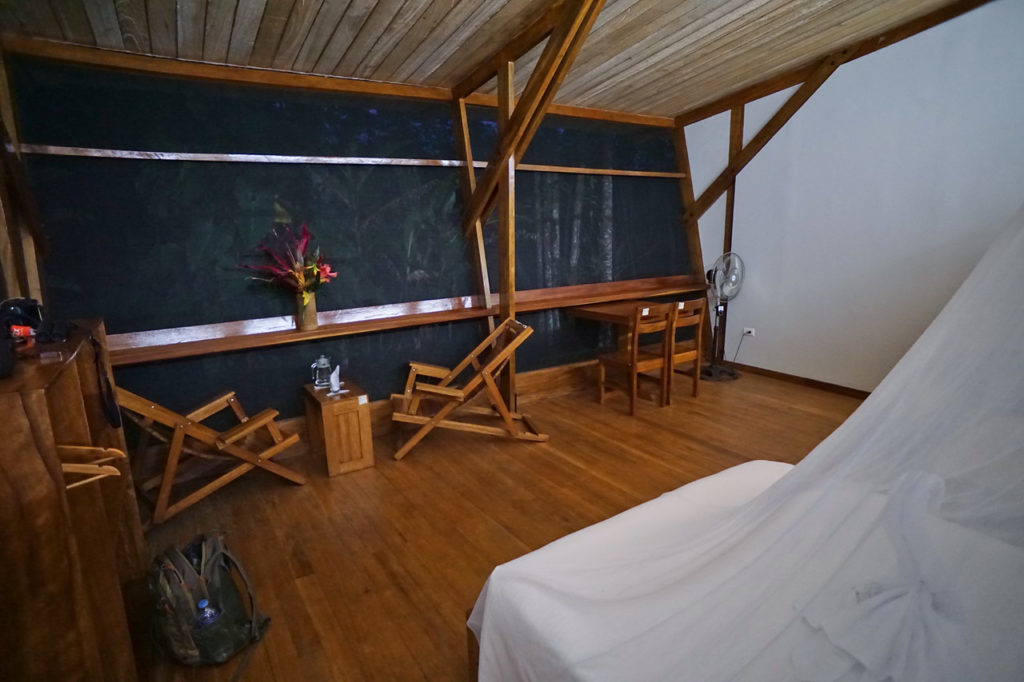
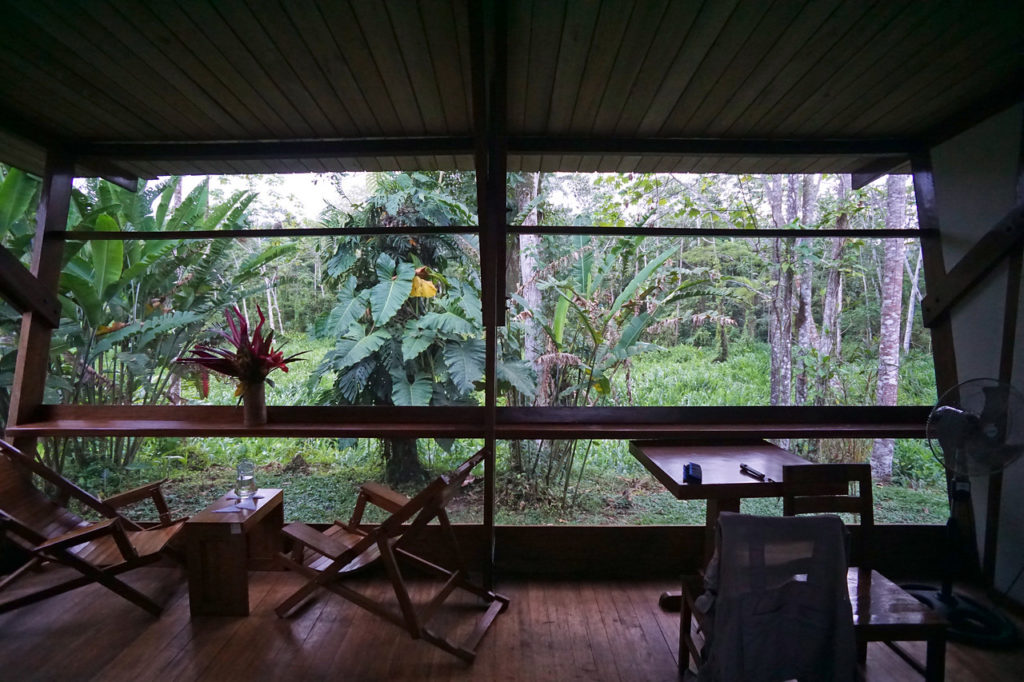
We arrived at Villa Carmen Biological Station just as it was getting full dark. Villa Carmen, again, is owned and operated by the Amazon Conservation Association, as a base for research and as lodge for birders visiting the foothills area of Manu National Park. Villa Carmen sits on 7600 acres, ranging in elevation from 1700 to 4000 feet. They have 25 miles of maintained trails, and comfortable facilities for travelers of all kinds. The cabins, as befits the more lowland location, are open to the air on both sides, and unexpectedly elegant.
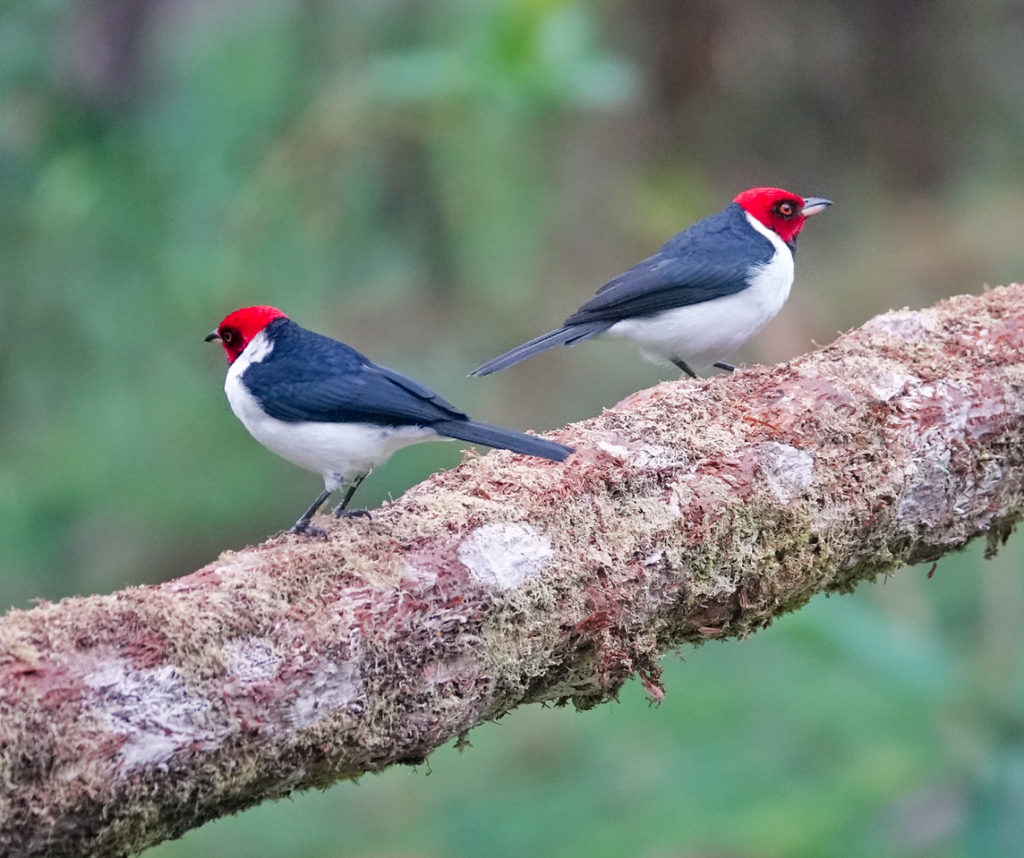
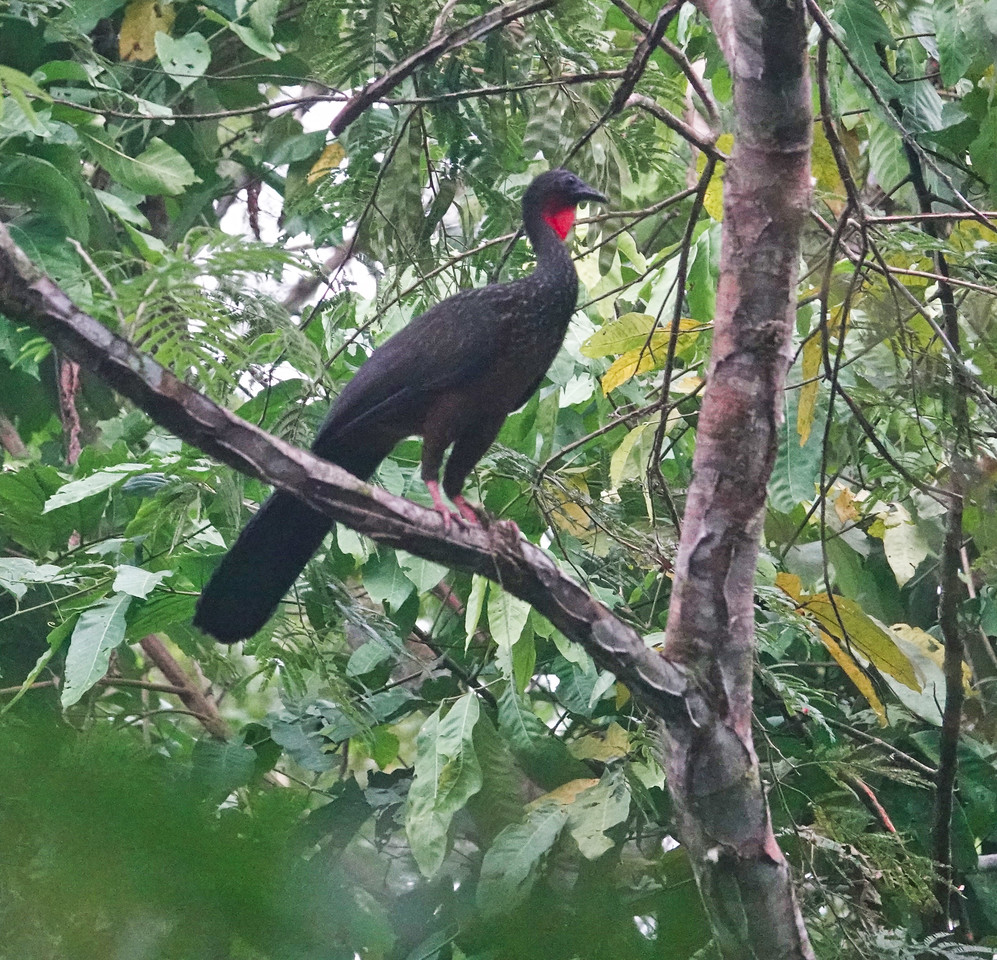
The feeding station and plantings near the dinning hall attract some interesting birds.
Red-headed Cardinal
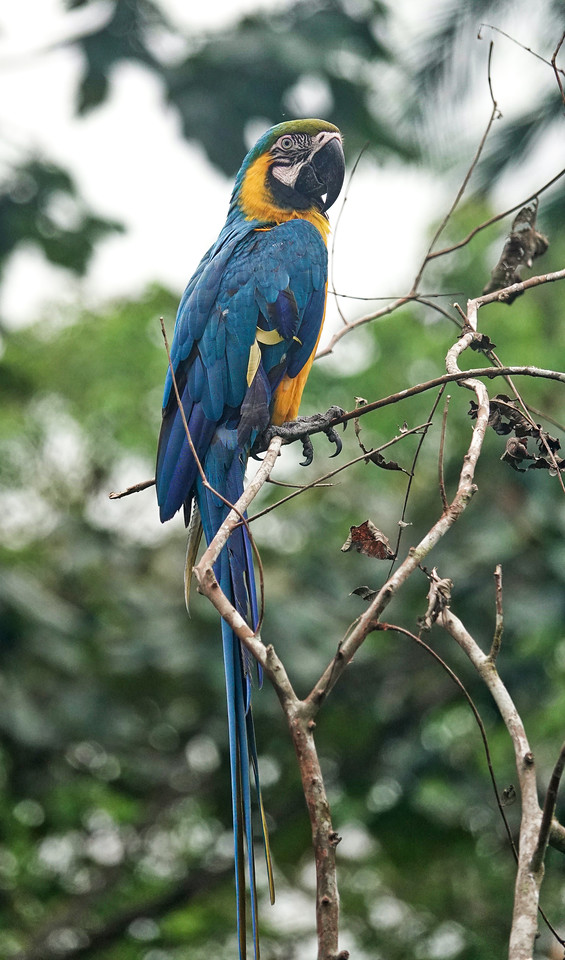
Blue and Yellow Macaw
Crested Guan
Sapphire-spangled Emerald
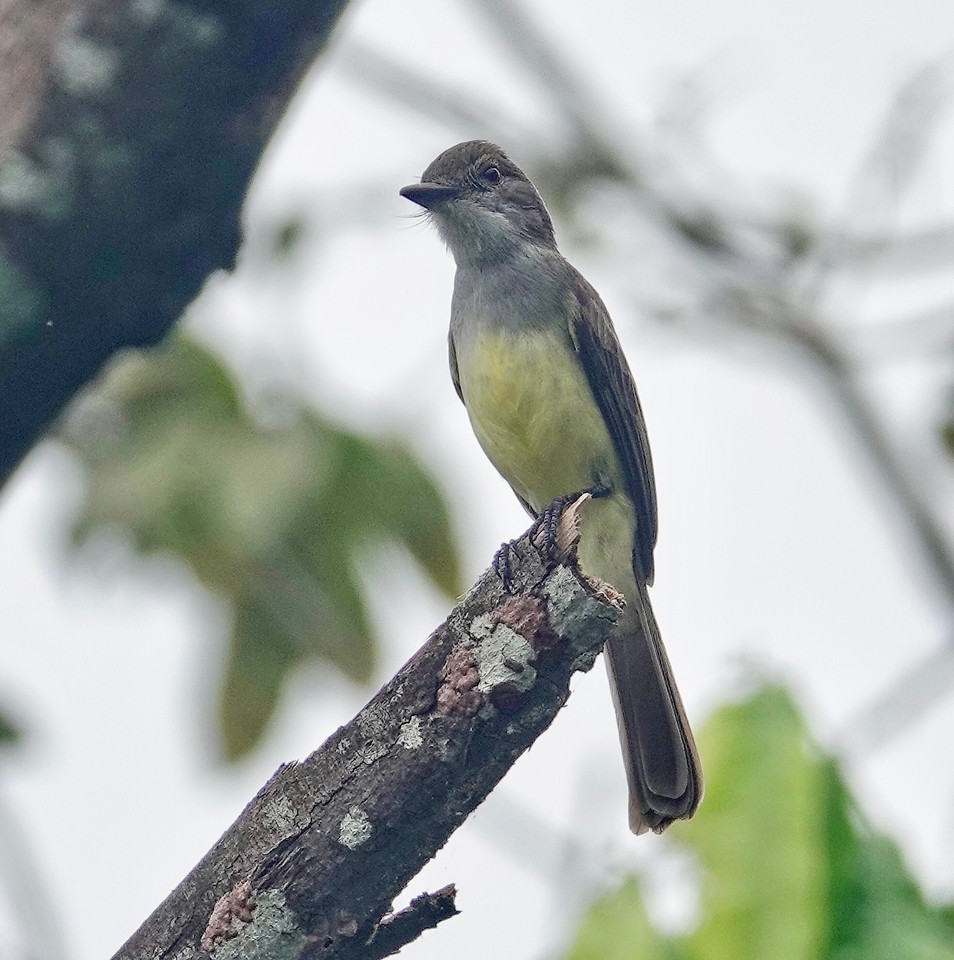
Myiarchus Flycatcher??
Blue and Yellow Macaw
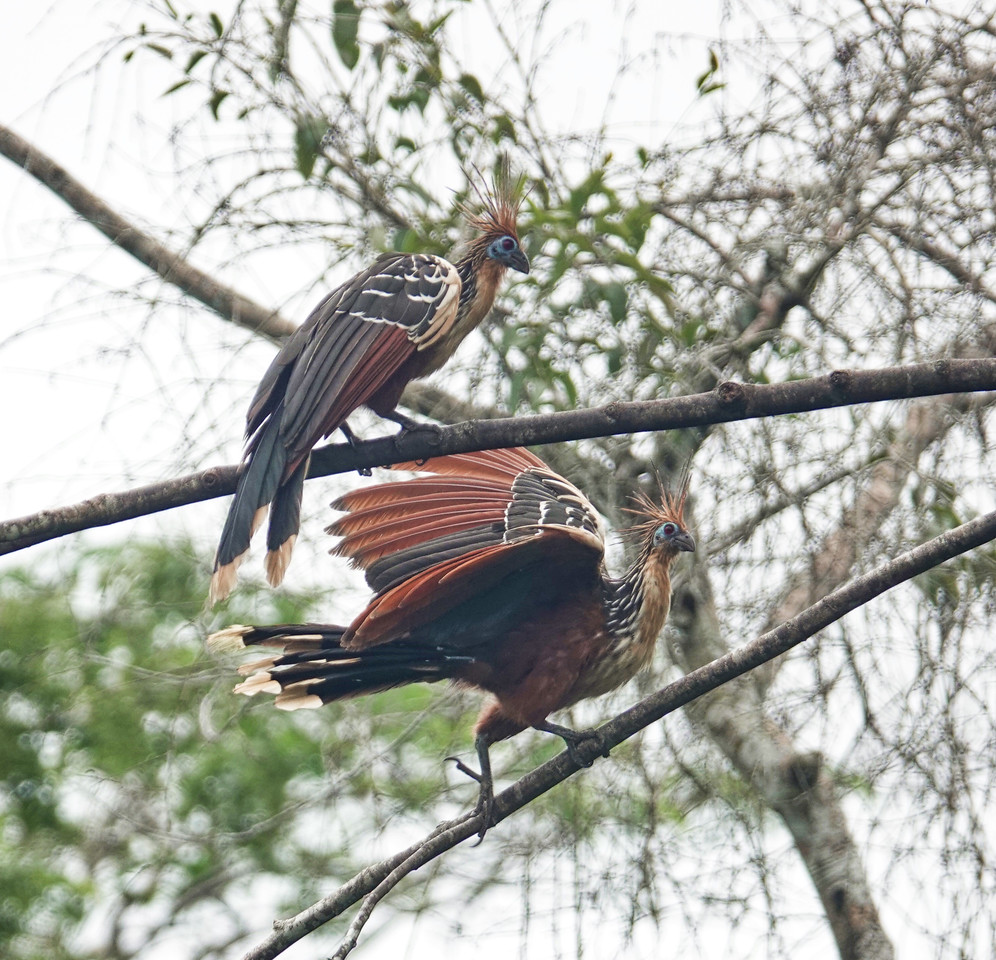
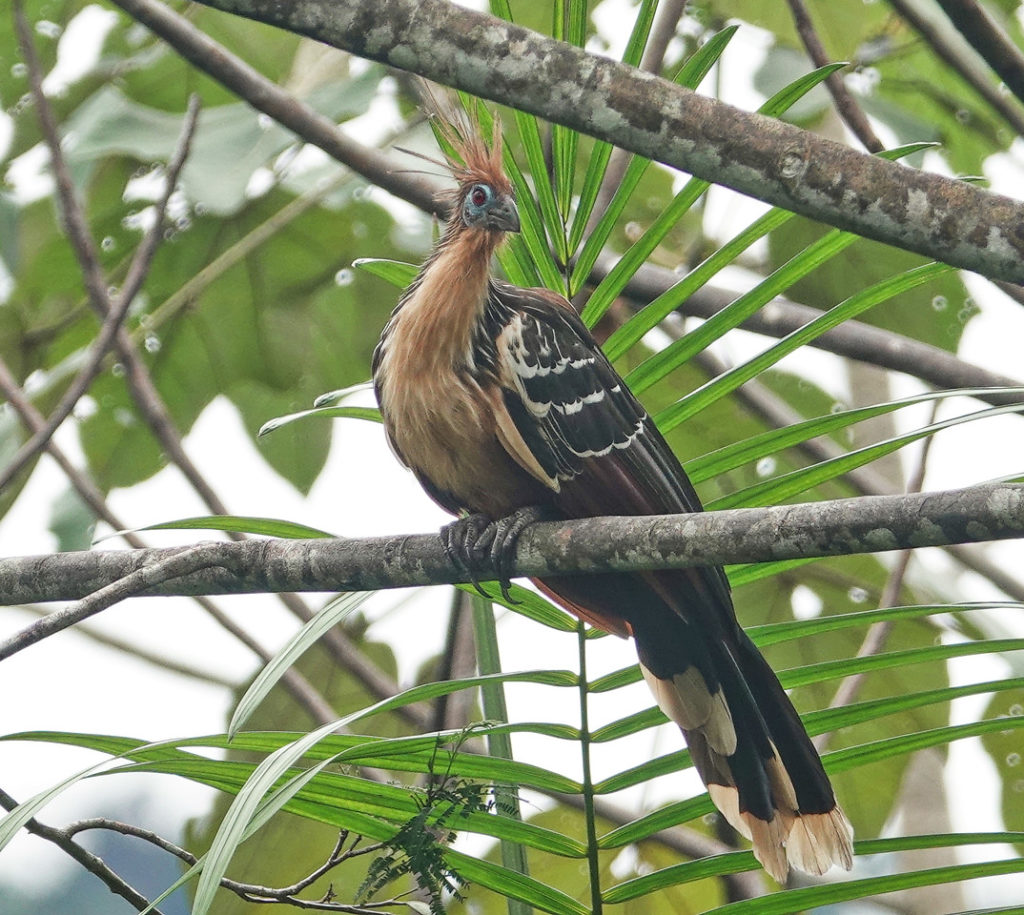
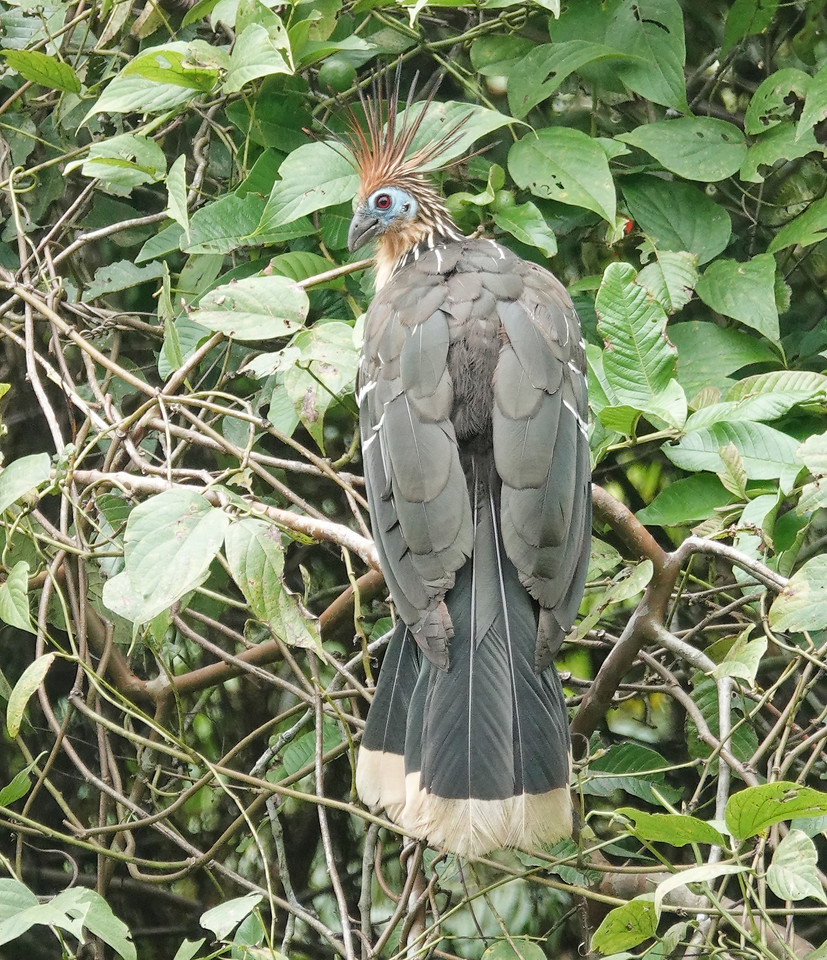
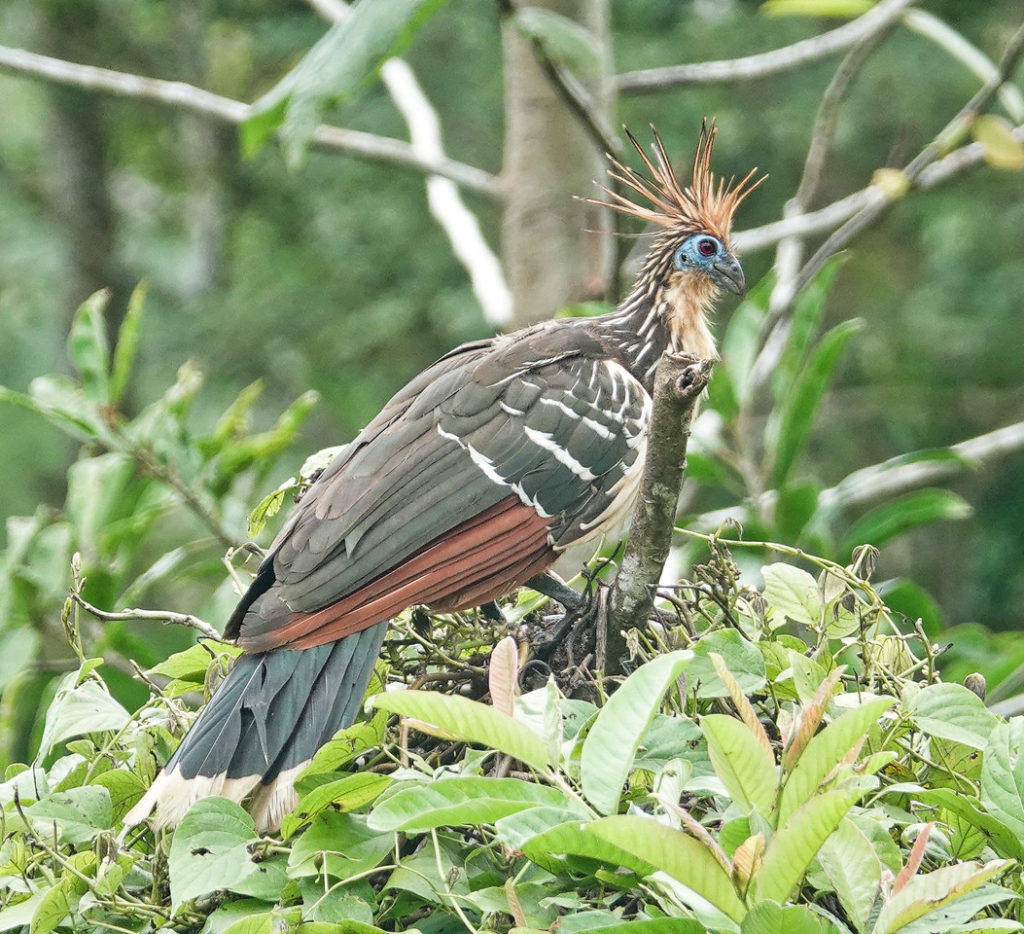
But the most interesting residents of the immediate grounds of Villa Carmen are the colony of Hoatzin that congregate around the little pond below the dinning hall. The Hoatzin was a target bird on our Amazon Riverboat Cruise a few years ago, and we went to a lot of trouble finding them. At Villa Carmen they are yard birds, and present in impressive numbers.
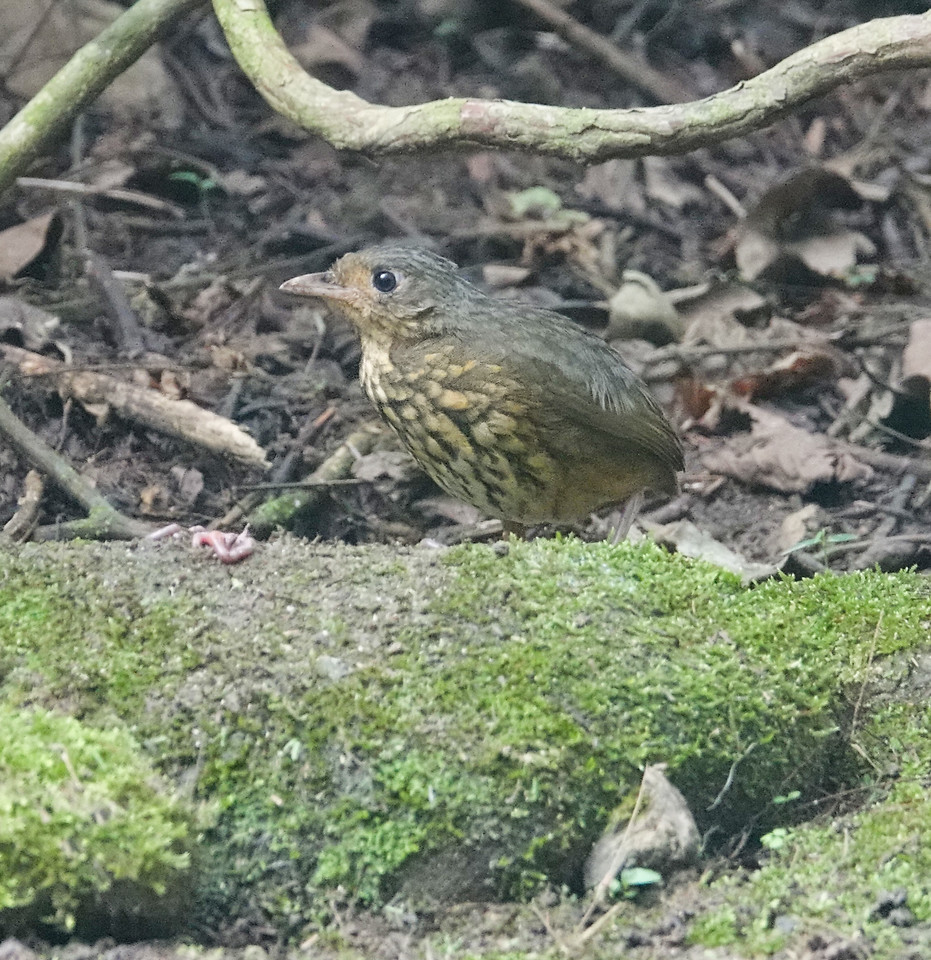
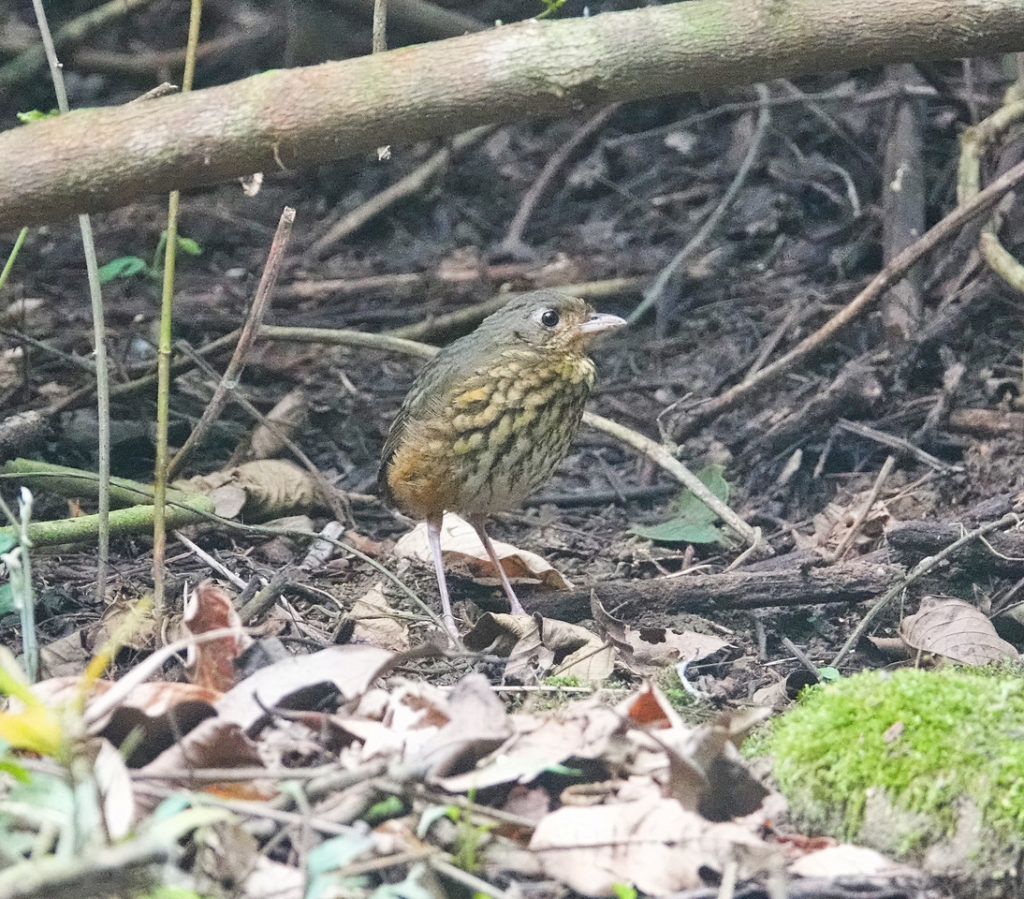
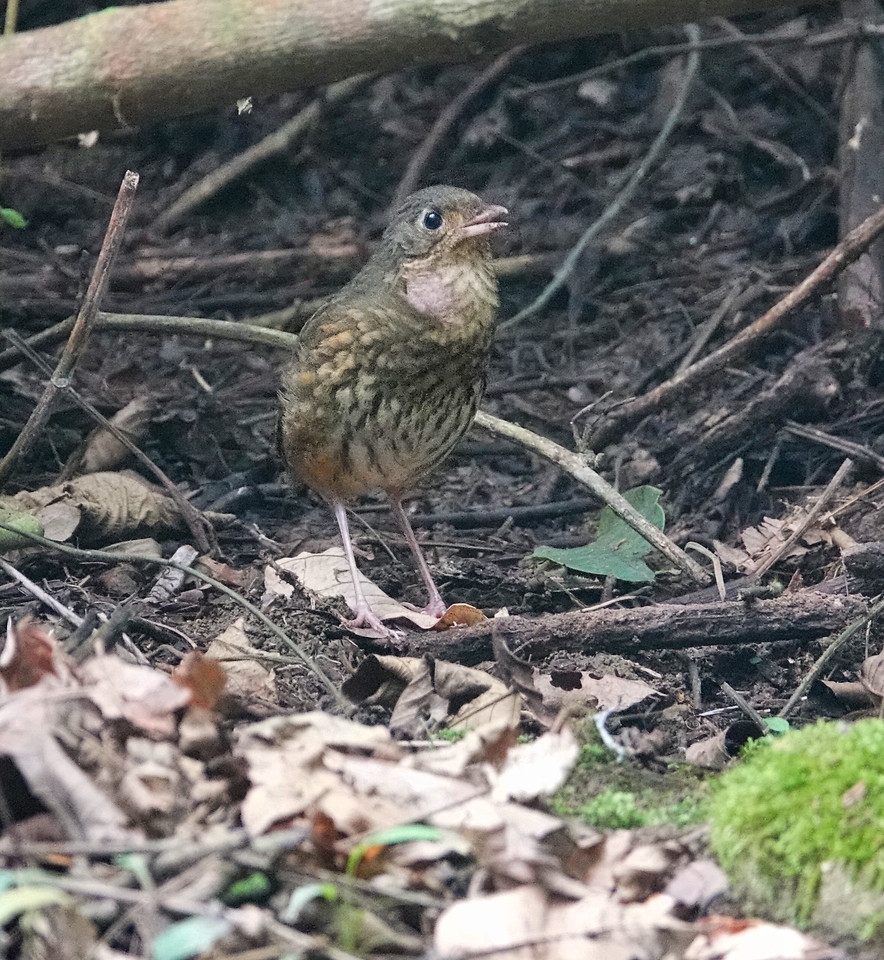
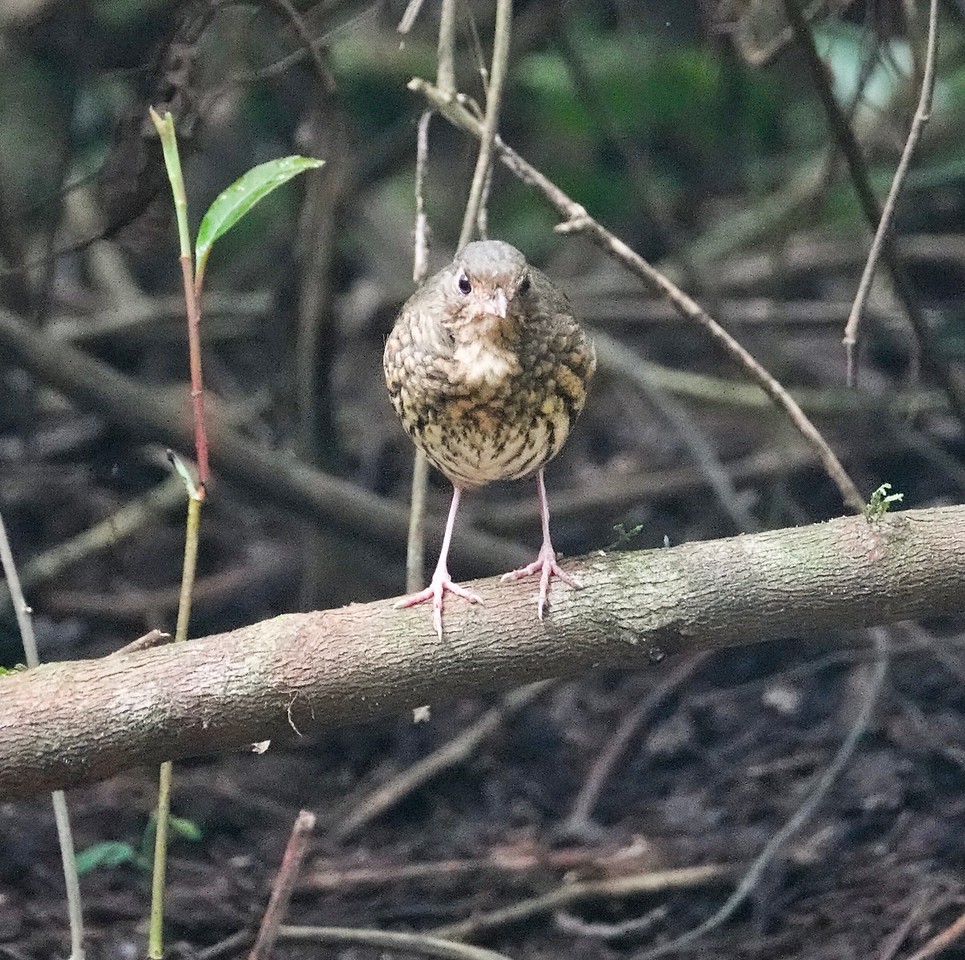
Another attraction of Villa Carmen are the Amazonian Antpitta’s that the staff have been working with for several years. They have constructed a little ally way in the forest, with some basic benches, and you can make an appointment to accompany the researcher to the Antpitta’s area, where, if you are patient, at least one bird might come out to take worms from mossy rock in plain sight. As with the Cock-of-the-Rock lek, the Antpitta run is deep of the forest, so high ISOs or special low light modes (or both) are required for satisfying photography.
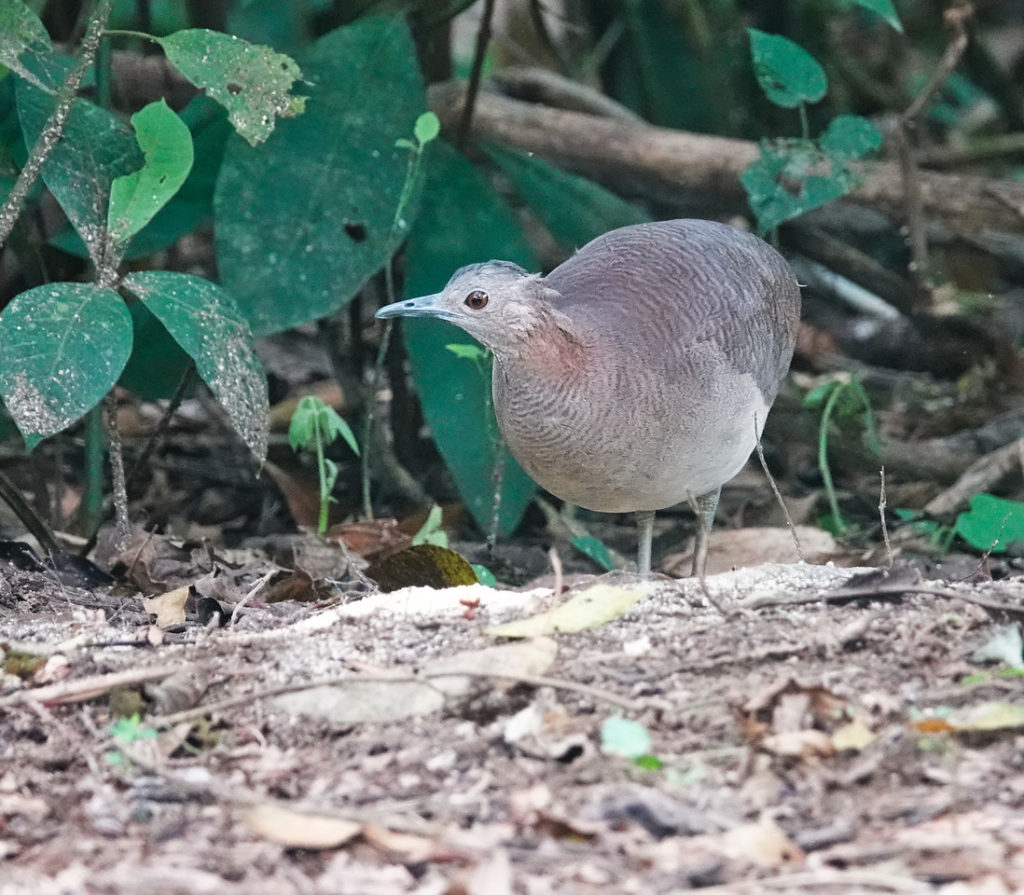
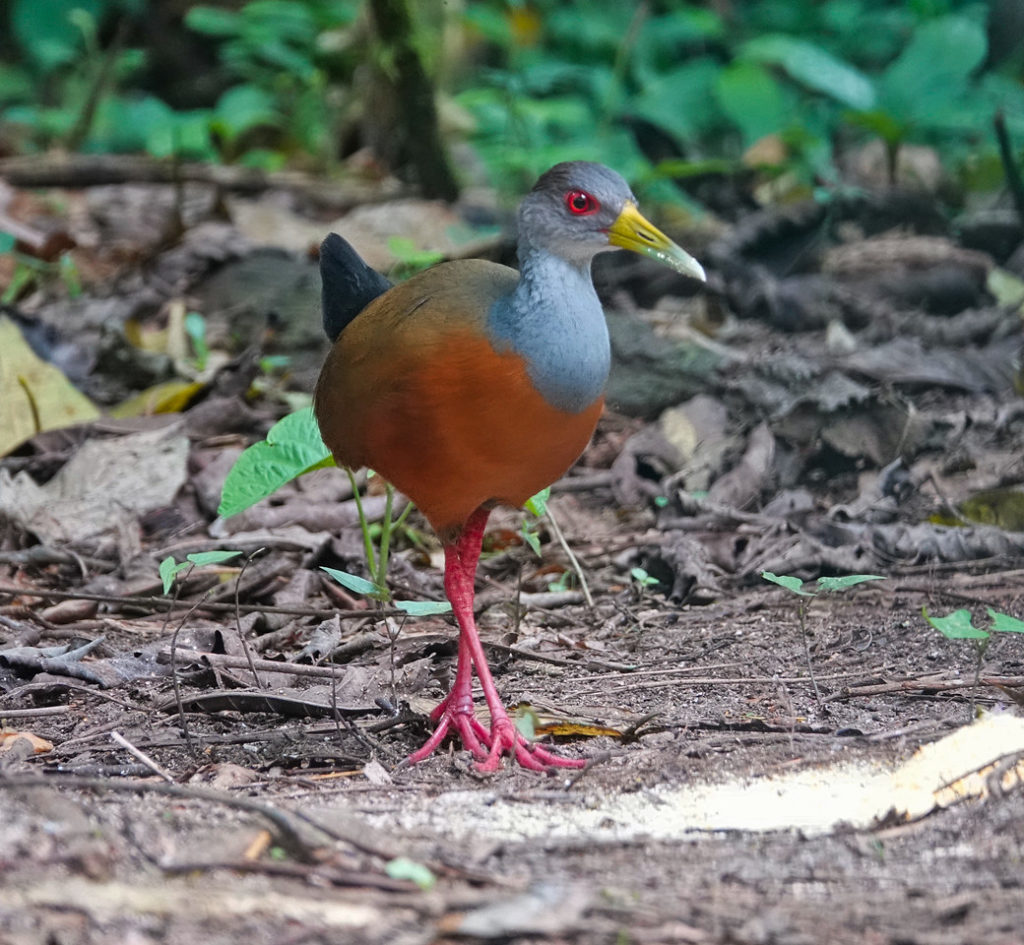
Literally at the far other end of the immediate Villa Carmen grounds, they also maintain a feeding station where Wood Rails and at least two species of Tinamous come out on a regular basis. The days we visited the Undulated Tinamou and the Grey-cowled Wood-Rail graced us with their presence.
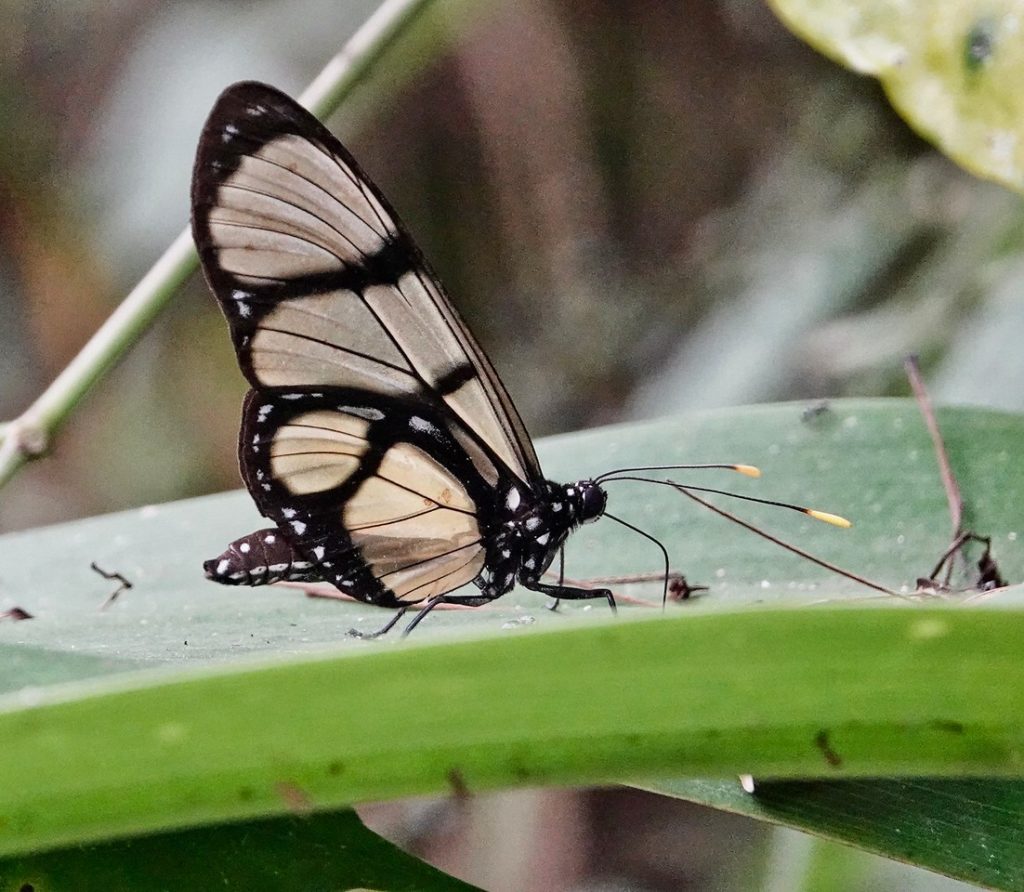
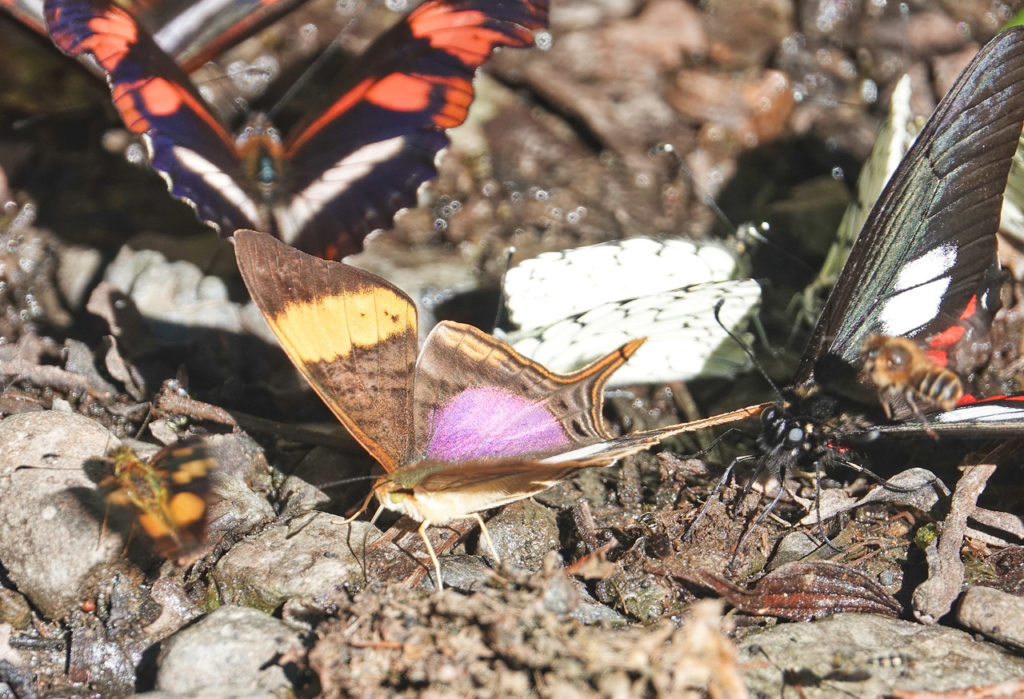
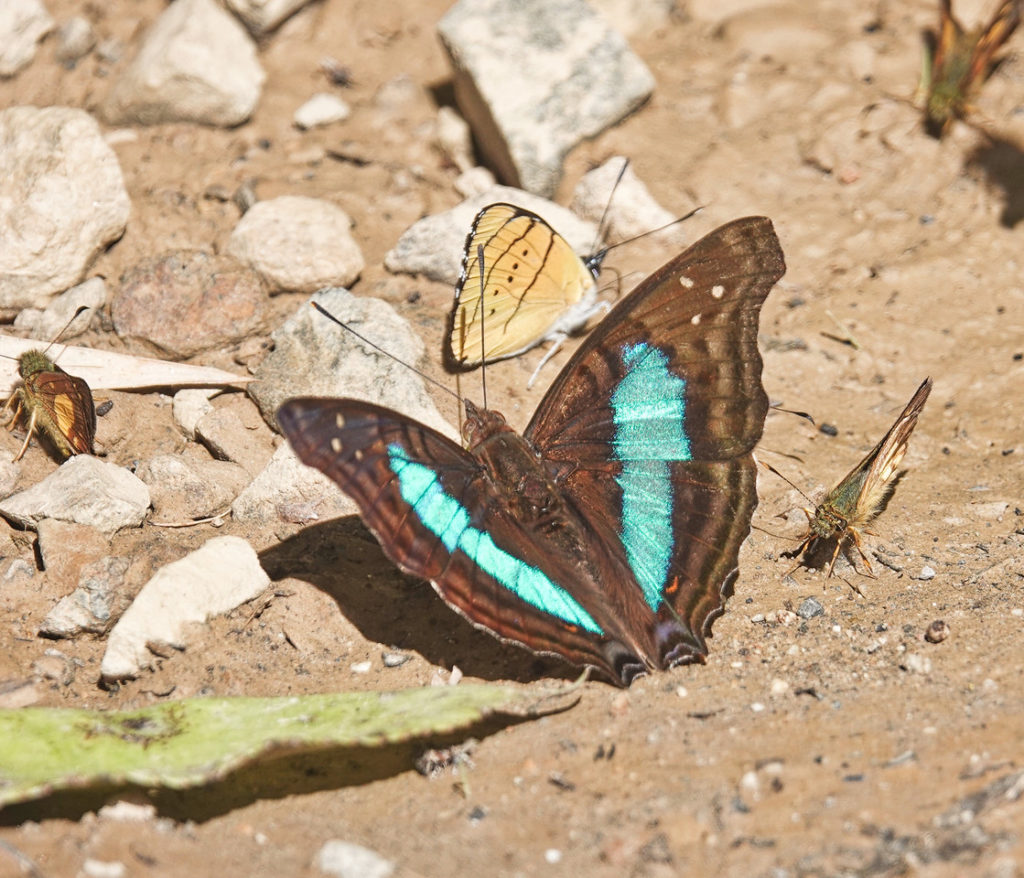
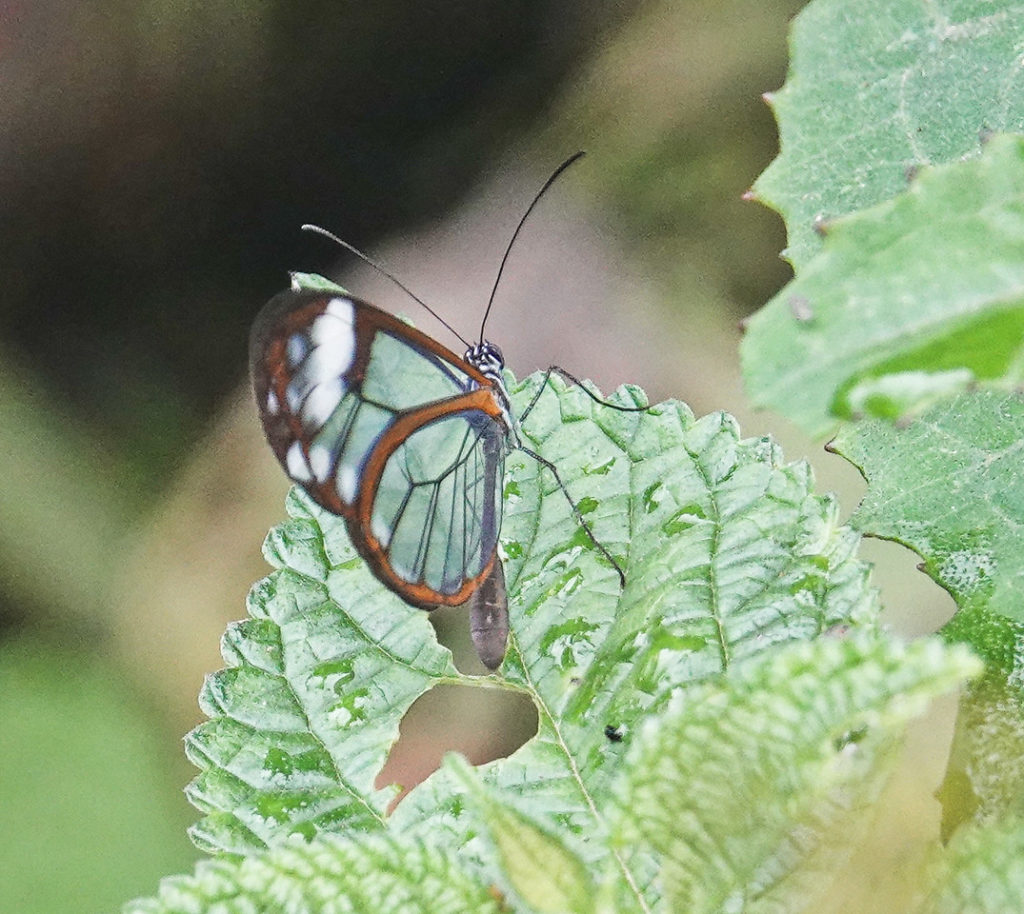
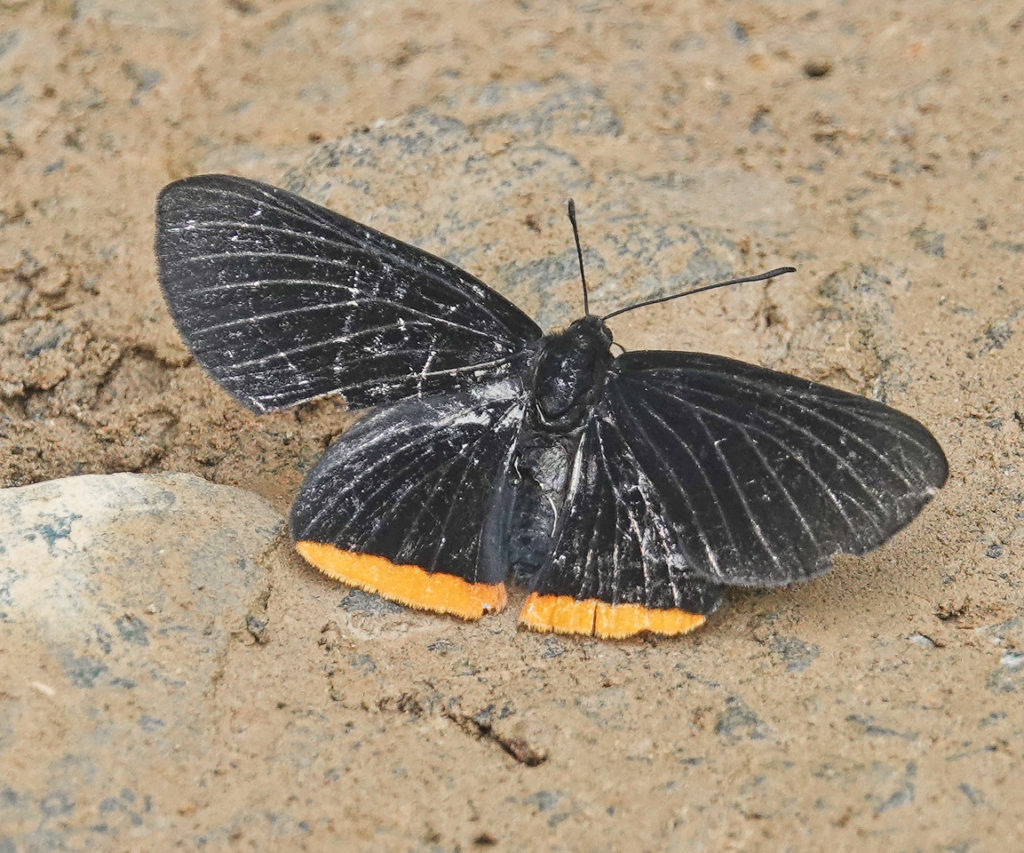
An afternoon walk down the access road at Villa Carmen also turned up interesting birds, and quite a few interesting butterflies.
White-browed Antbird
Giant Glasswing
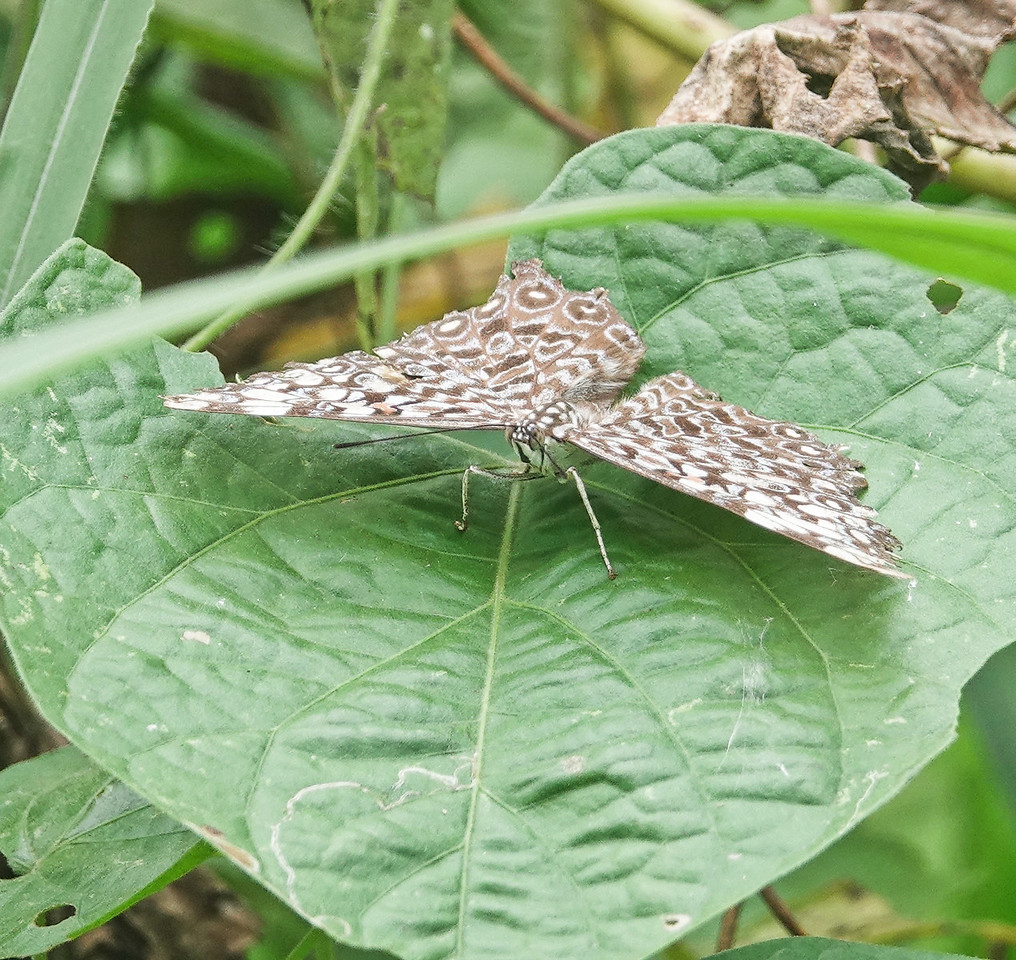
Grey Cracker
??
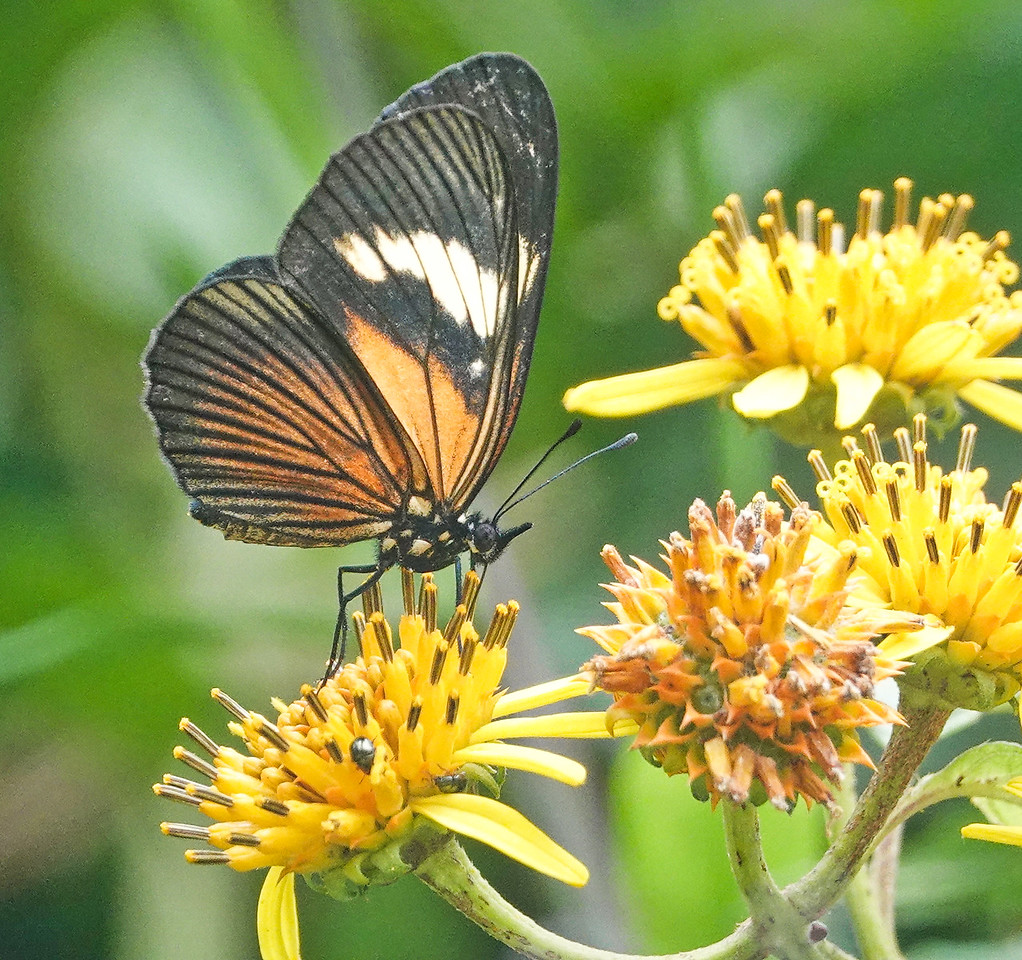
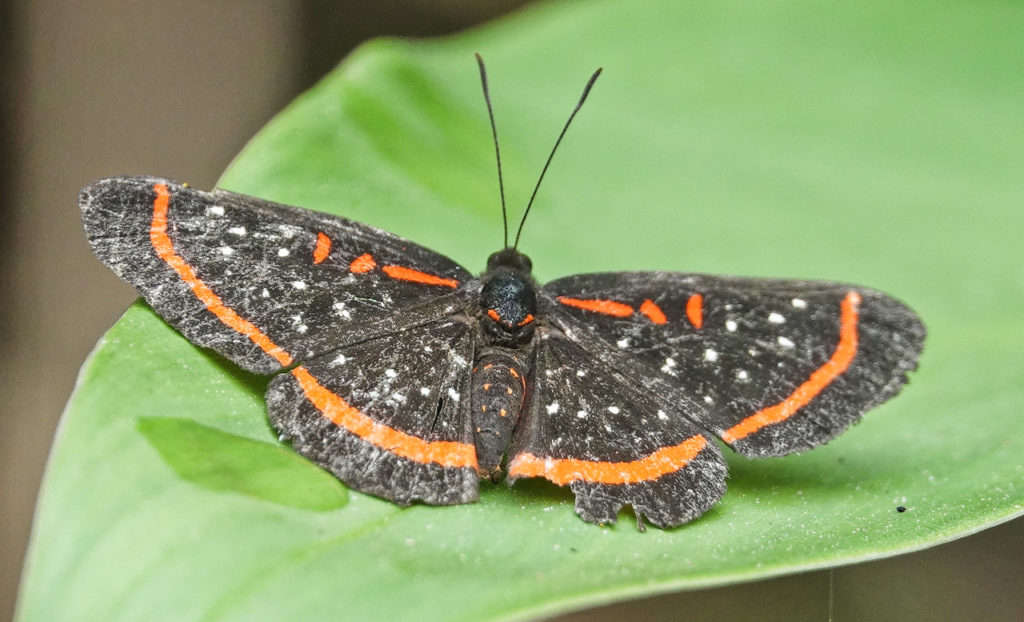
Red-barred Amarynthis
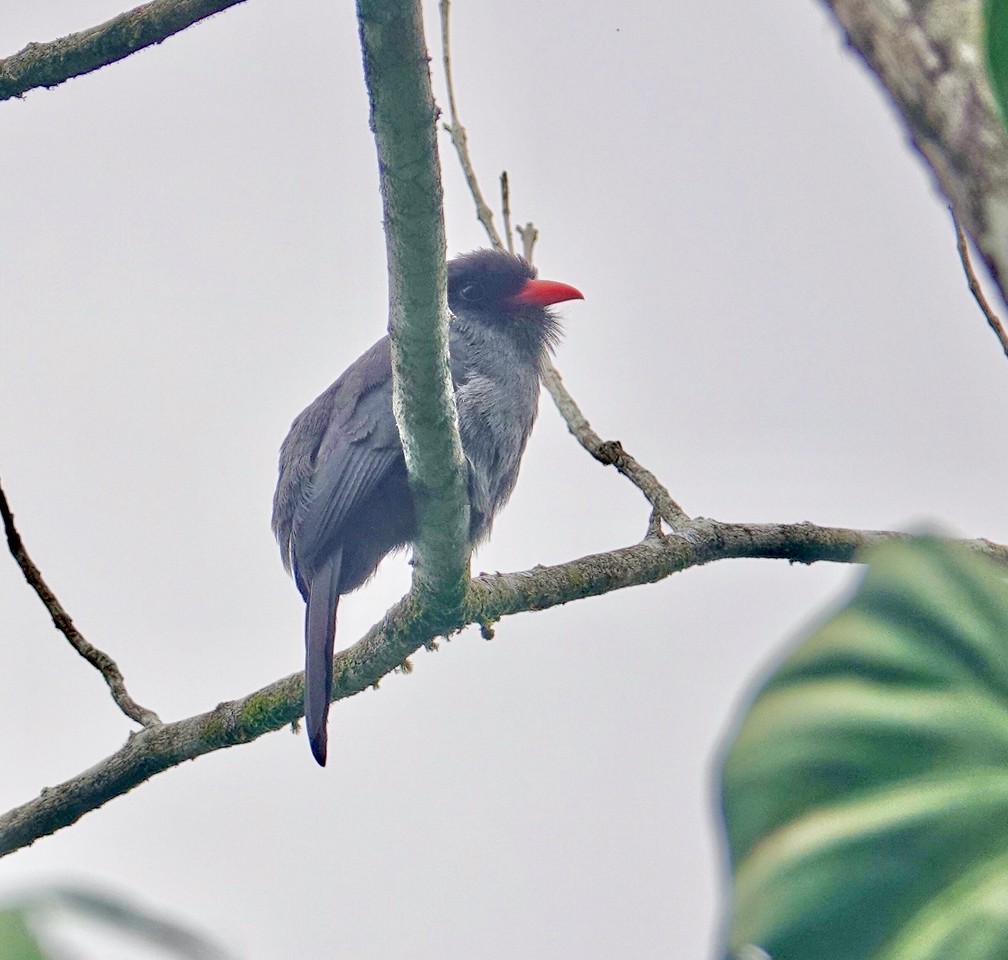
Black-fronted Nunbird
Black-tailed Trogon
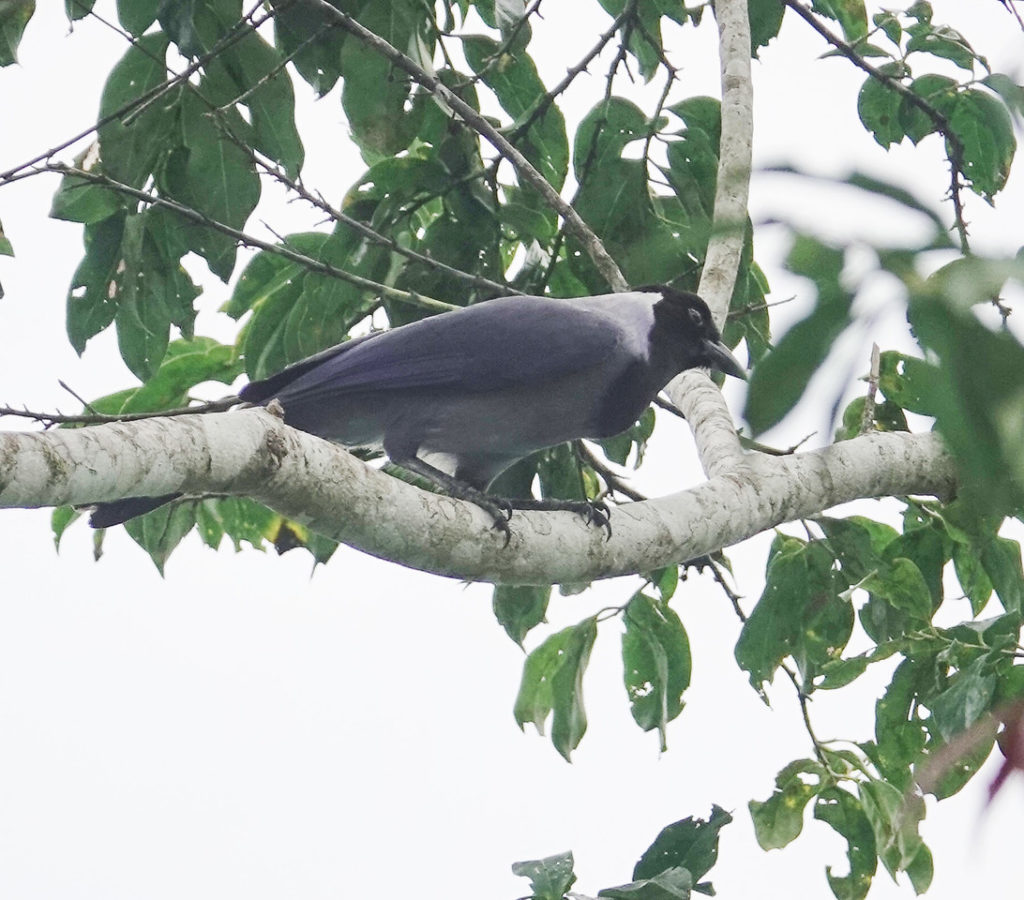
Violaceous Jay
While watching for the Tinamous and Wood-Rails our guide, Yonatan Puma, mentioned that he was developing a small hummingbird garden on the other side of the river and a few hundred feet higher that attracted some interesting hummers which did not regularly appear at Villa Carmen. We spend a few hours with him late one afternoon, sitting on a rustic bench and enjoying the hummingbirds. Again, low light levels brought the Sony’s Anti-motion Blur Mode into play.
Fork-tailed Woodnymph
Violet-fronted Brilliant
Green Hermit
Long-billed Starthroat
Gould’s Jewelfrong
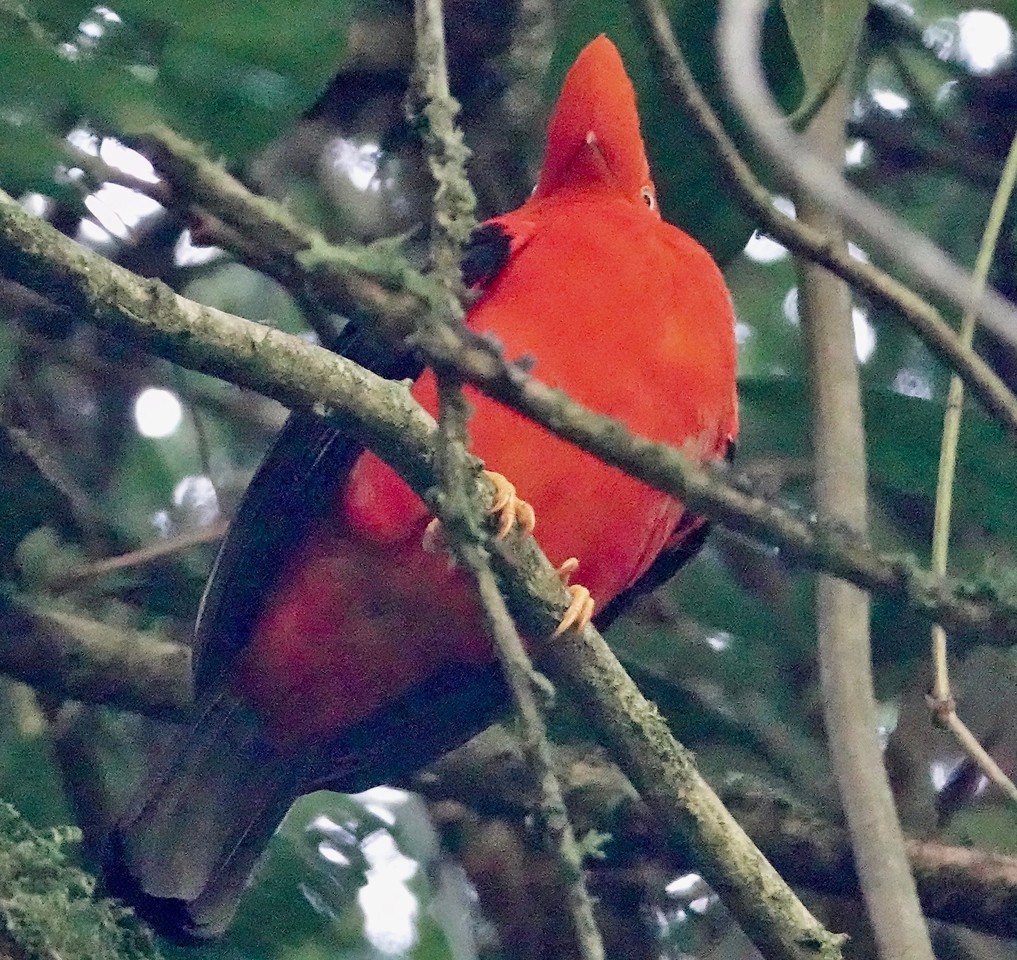
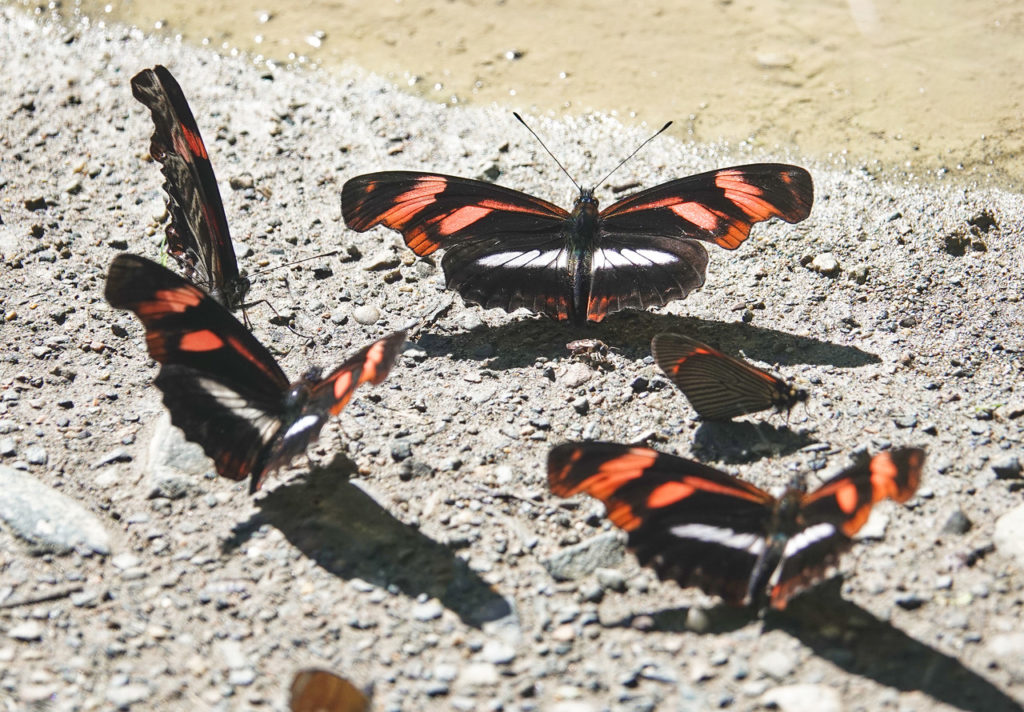
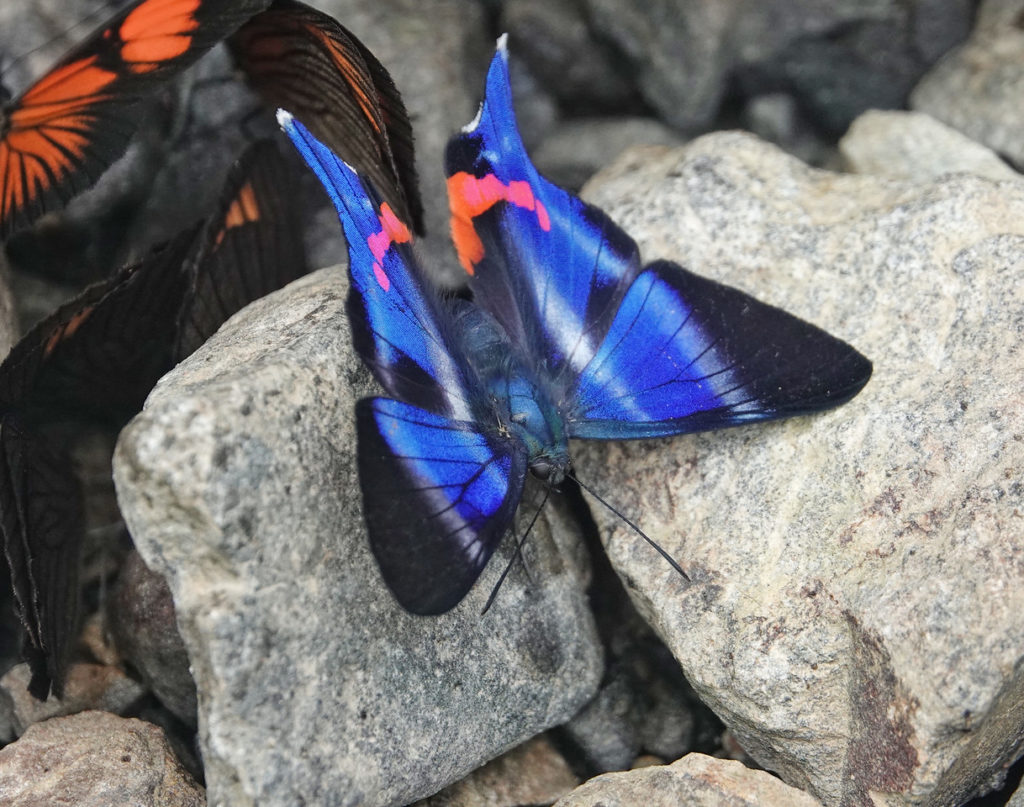
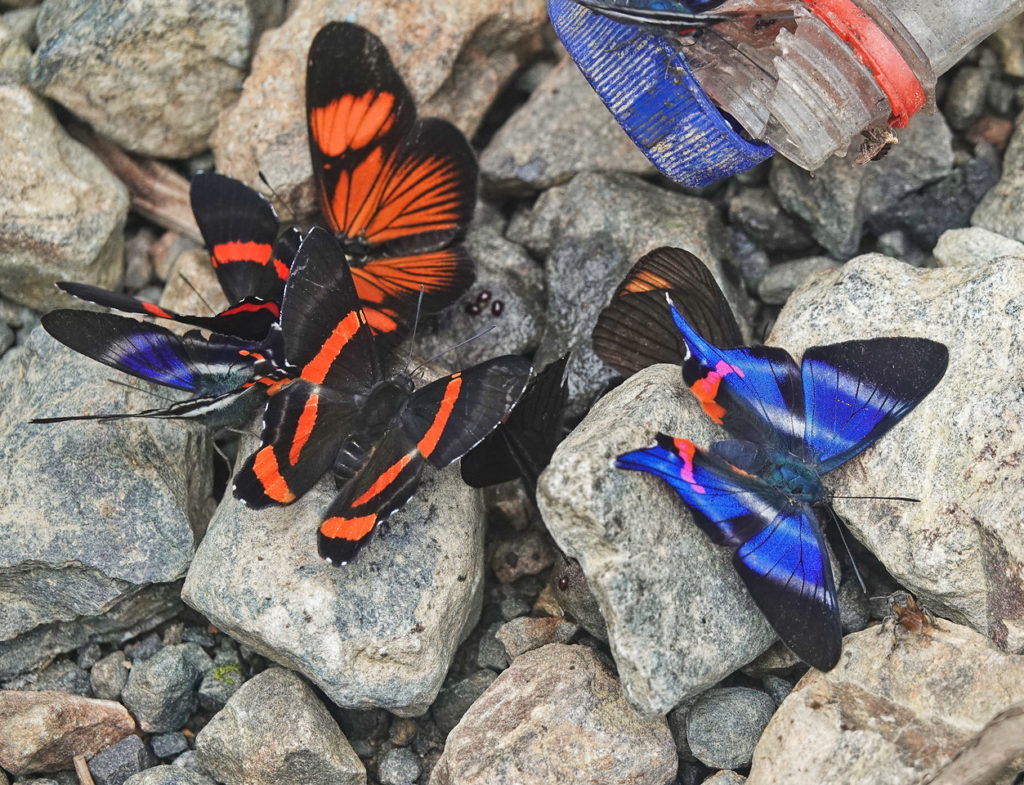
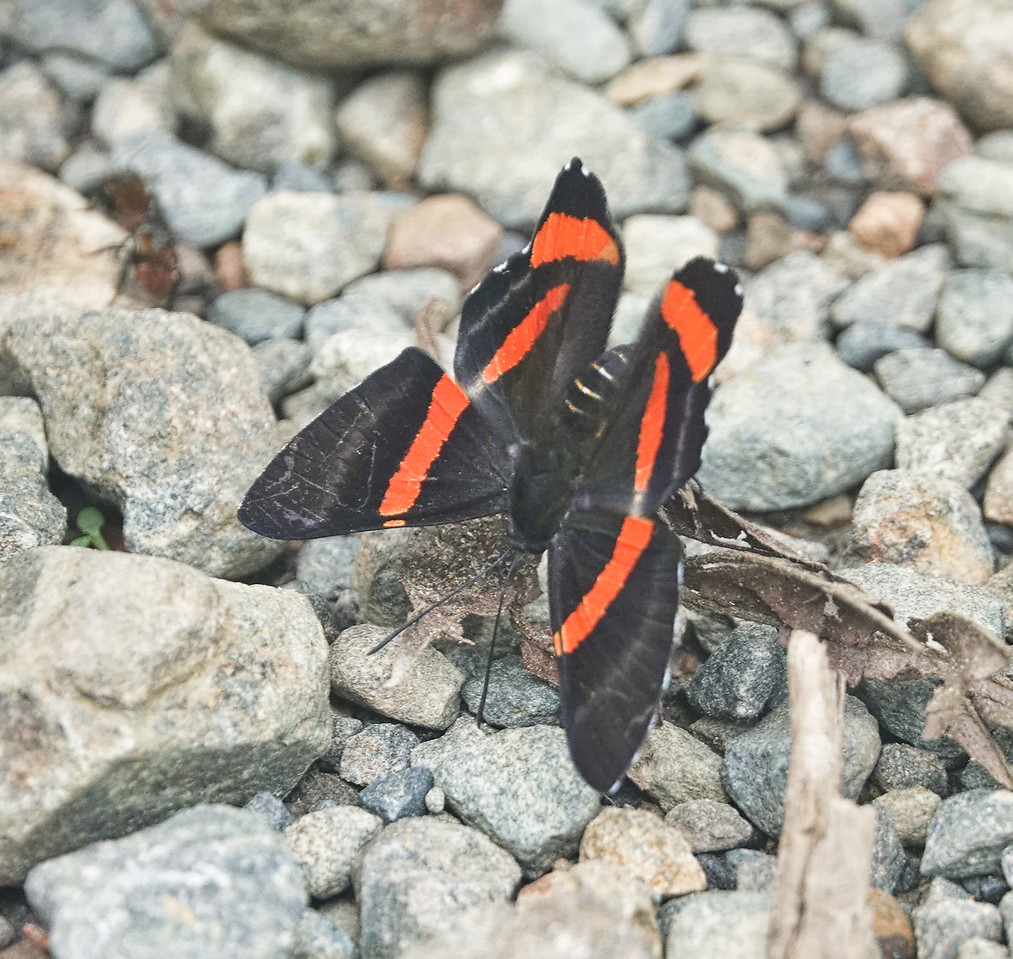
We spent our last full day on the Manu Road walking down the section above Cock-of-the-Rock Lodge again…in search of some Cloud Forest species we had not yet seen. We got a few good birds, and a few better looks at birds we had ween before…including a Cock-of-the-Rock foraging away from the lek. And, we had a great show of butterflies.
The valley floor from the Manu Road
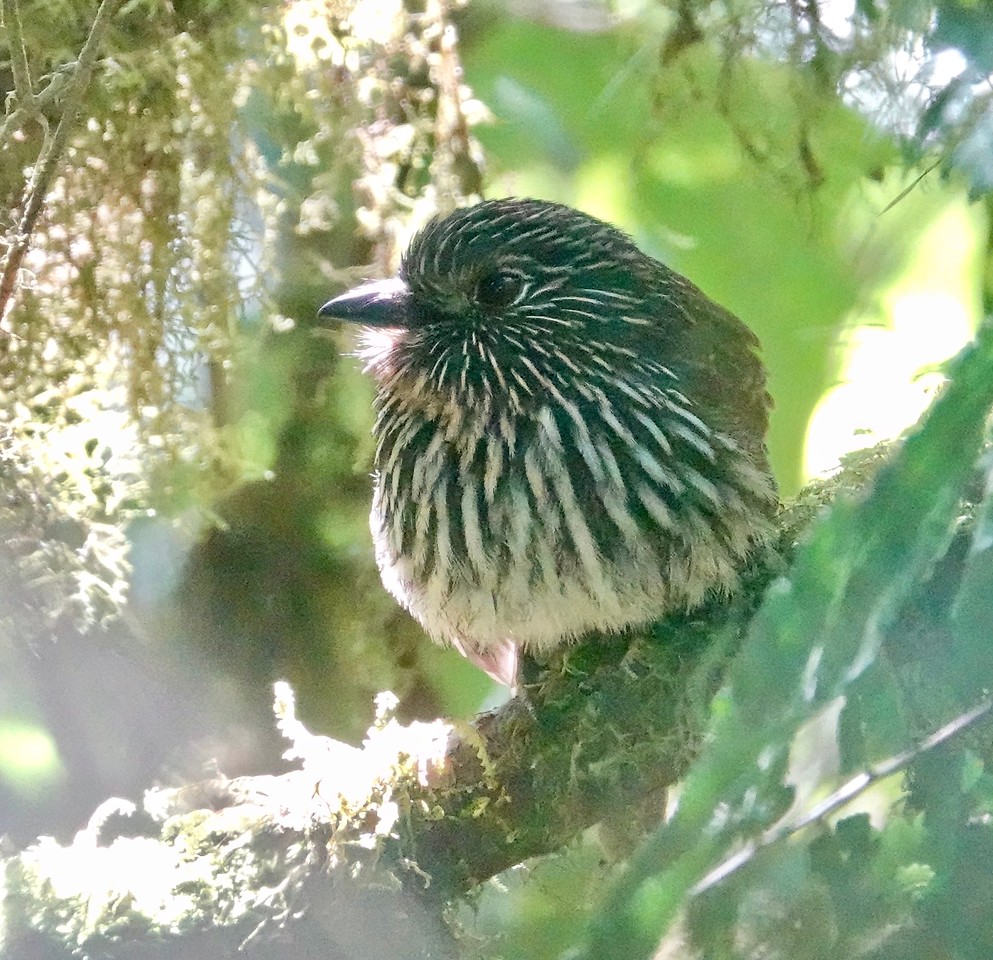
Black-streaked Puffbird
Andean Cock-of-the-Rock
Ornate Flycatcher
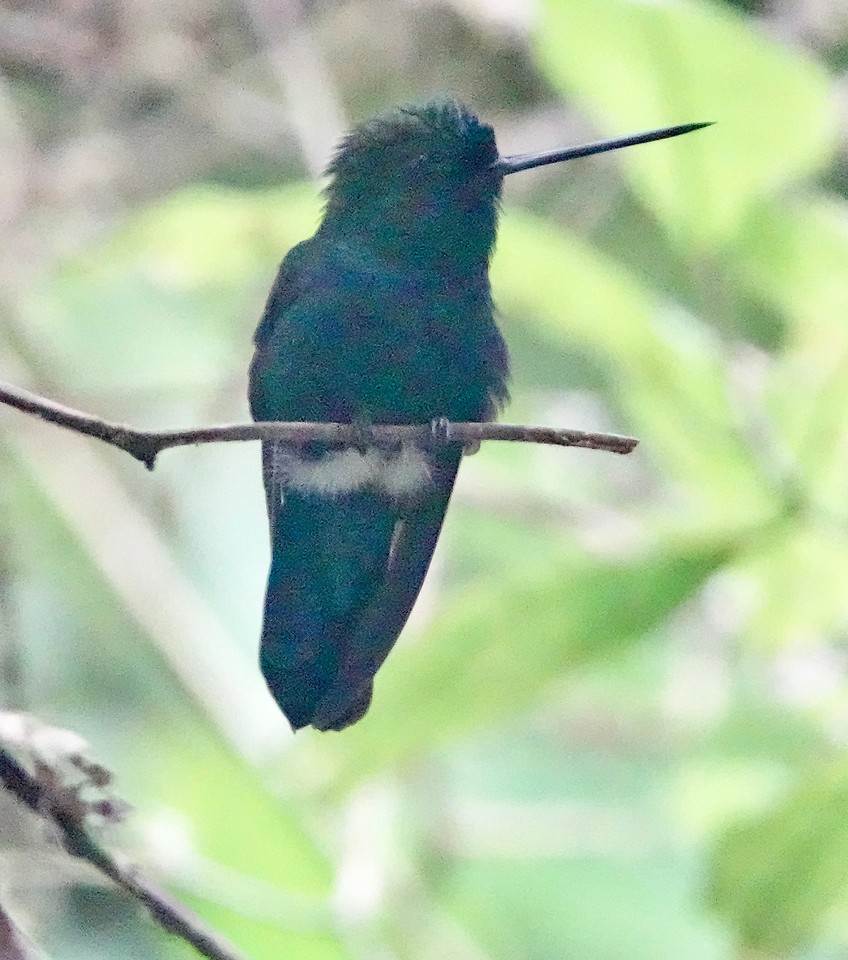
Greenish Puffleg
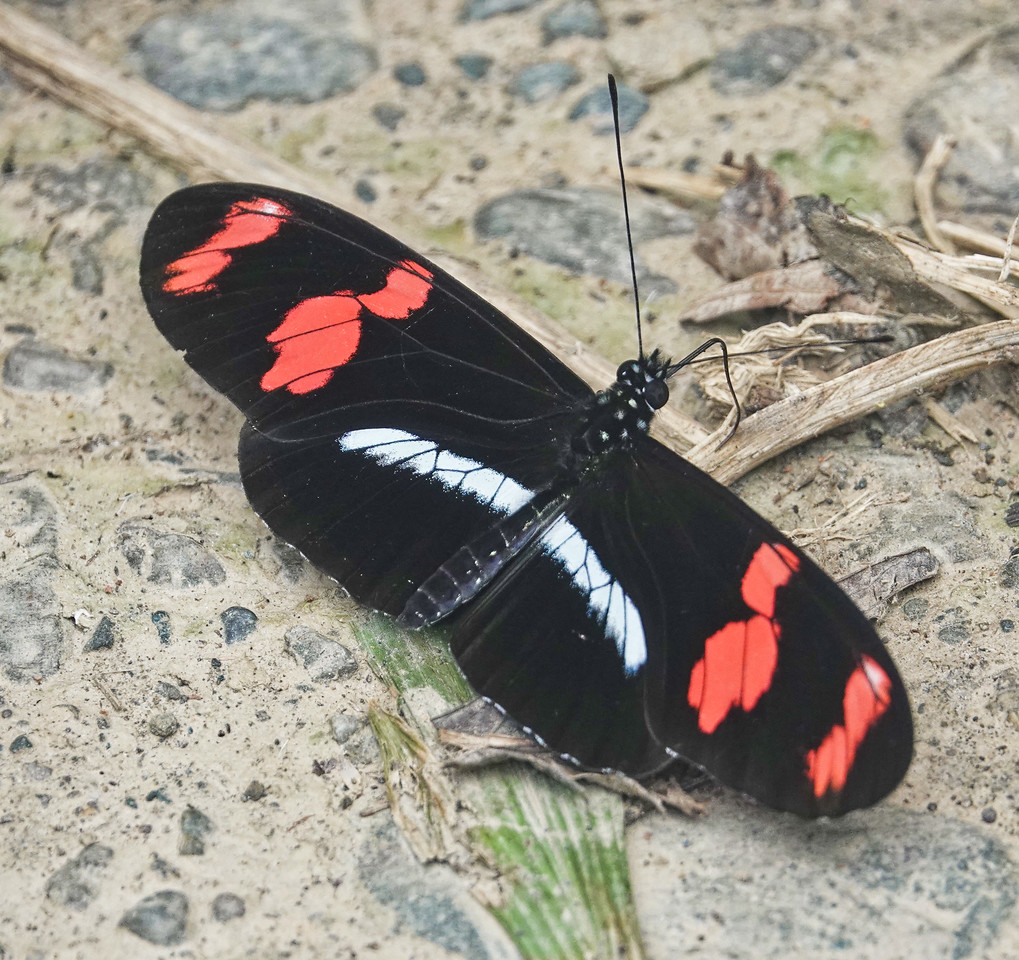
Postman
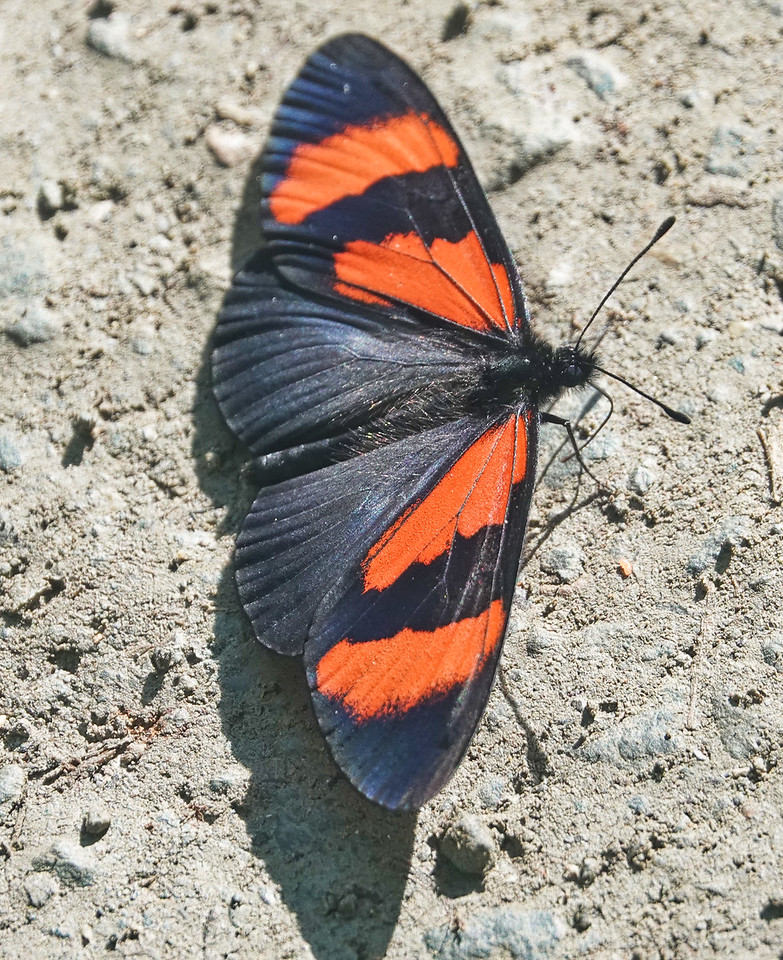
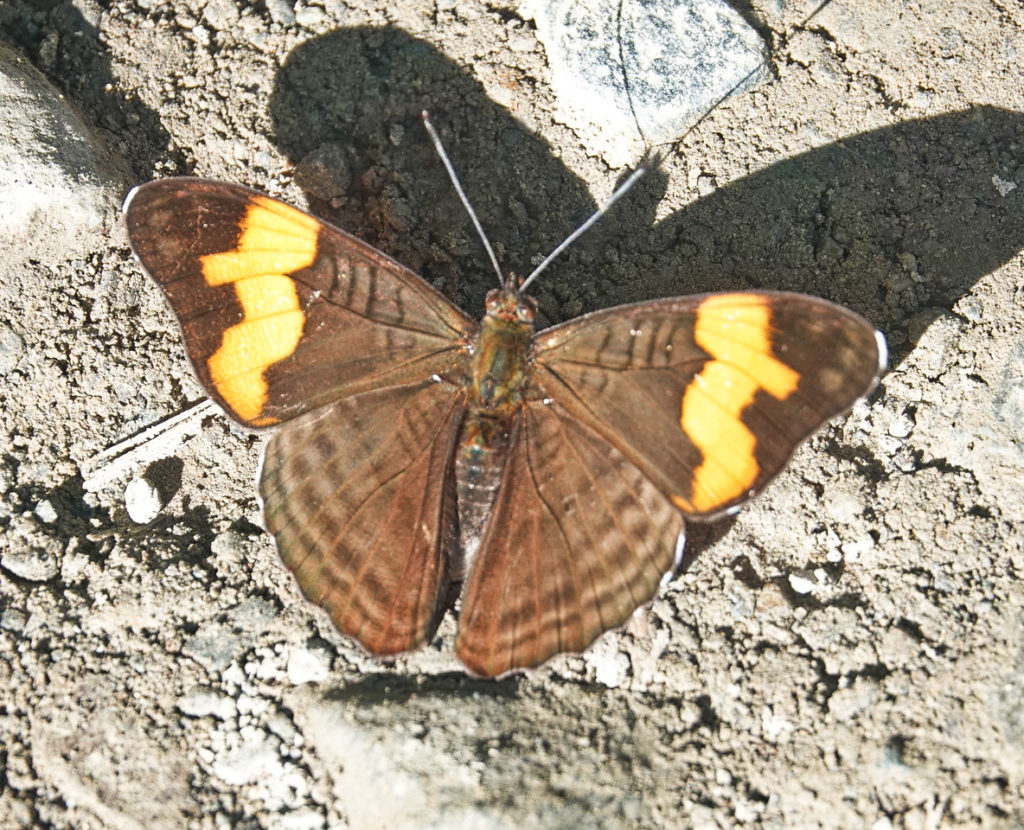
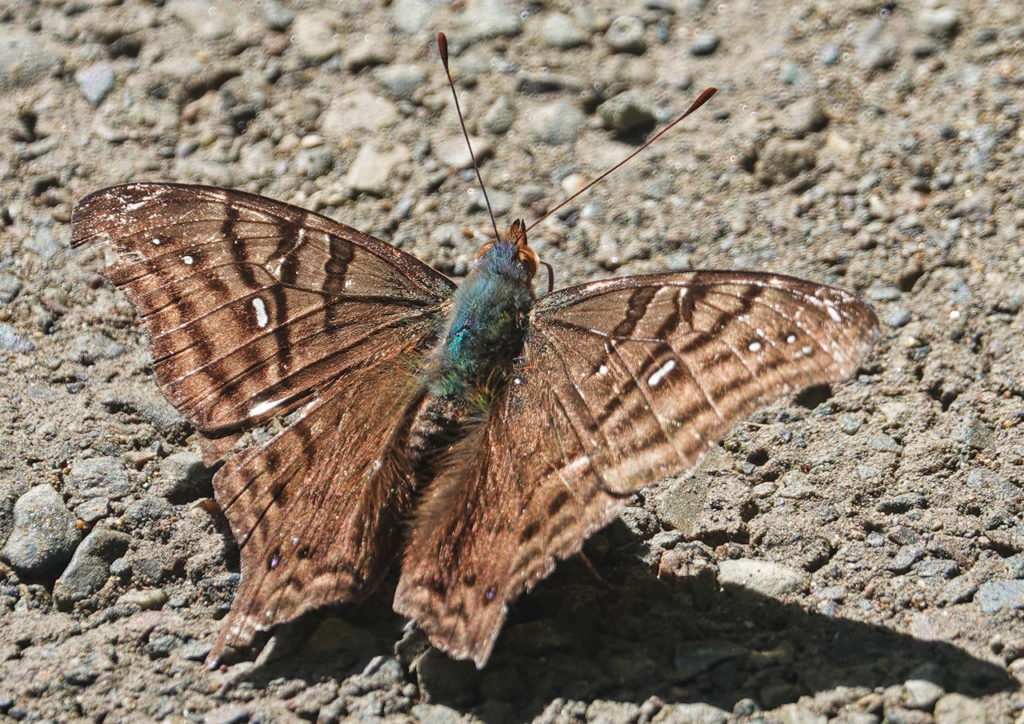
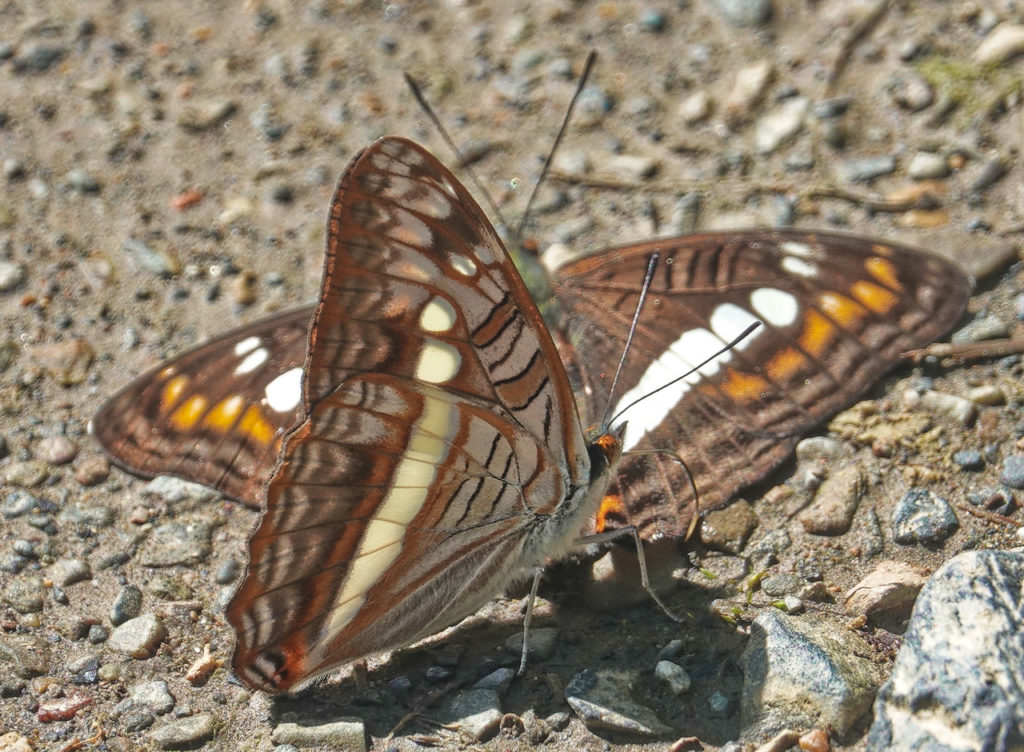
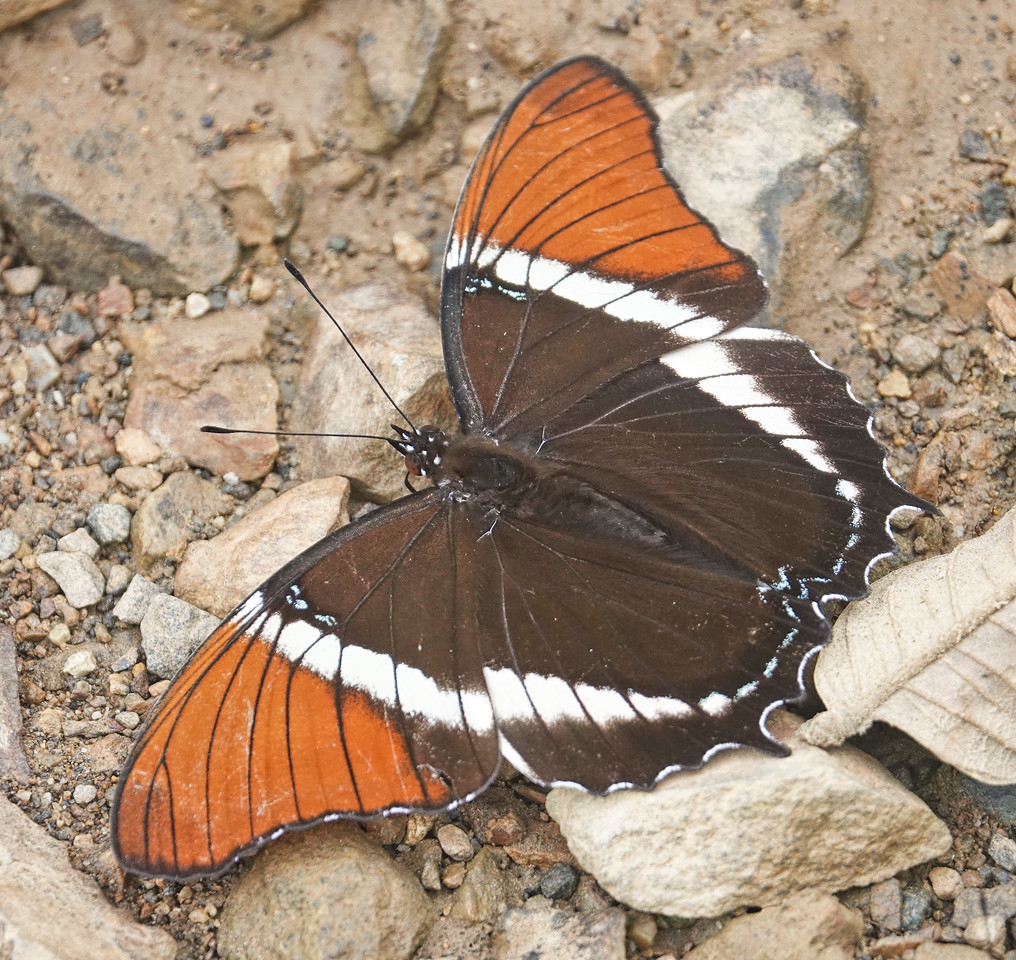
Orange-barred Sister
False Daggerwing
Alana Sister
Angle-winged Telesiphe
Ruby-spotted Swallowtail
Corinna Dagerweing
Cherubini Emperor
Andromeda Glasswing
Acraea Mimic
Orange-barred Pixie
Common Longwing
Gaudy Altinote
Dyson’s Blue Doctor
Redline Doctor, Gaudy Altinote, Dyson’s Blue Doctor
Red-lined Doctor
Rusty-tipped Page
Blue Perisama
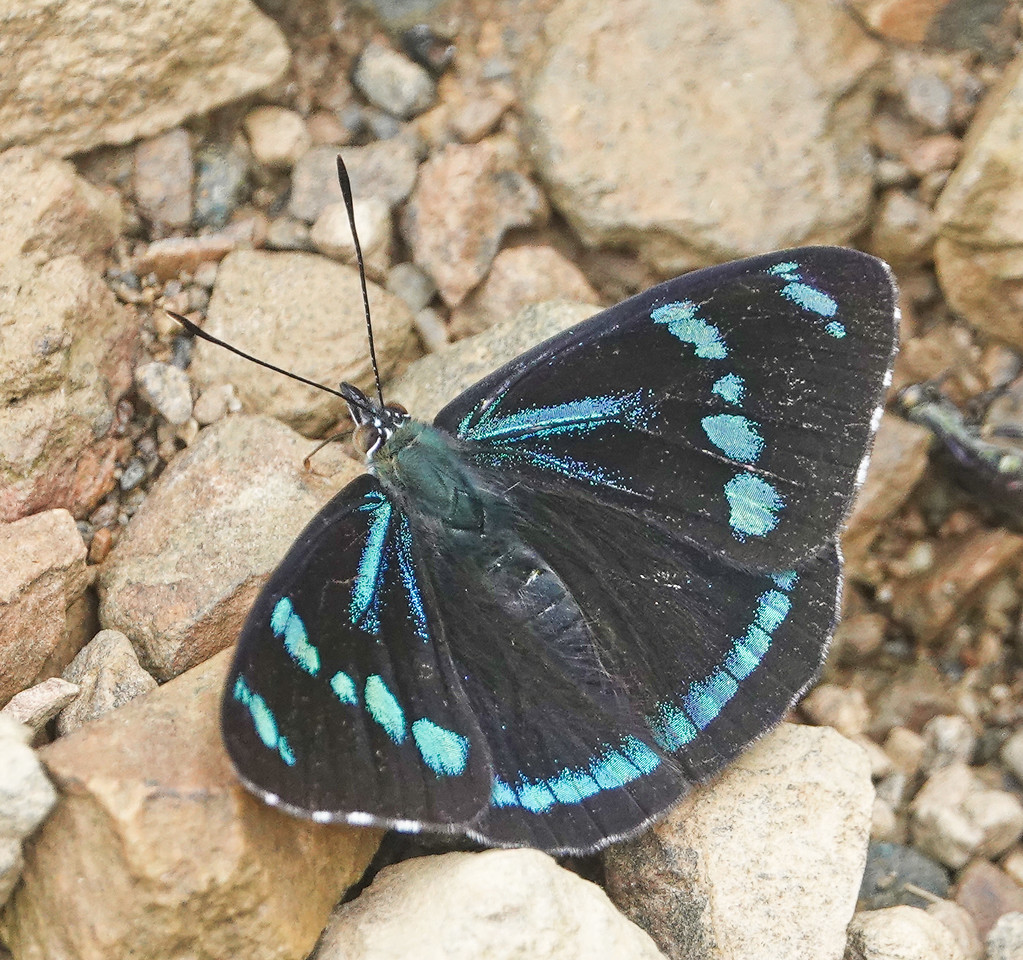
Manu Perisama
Almost back to the lodge we stopped for some good lowland birds along the road.
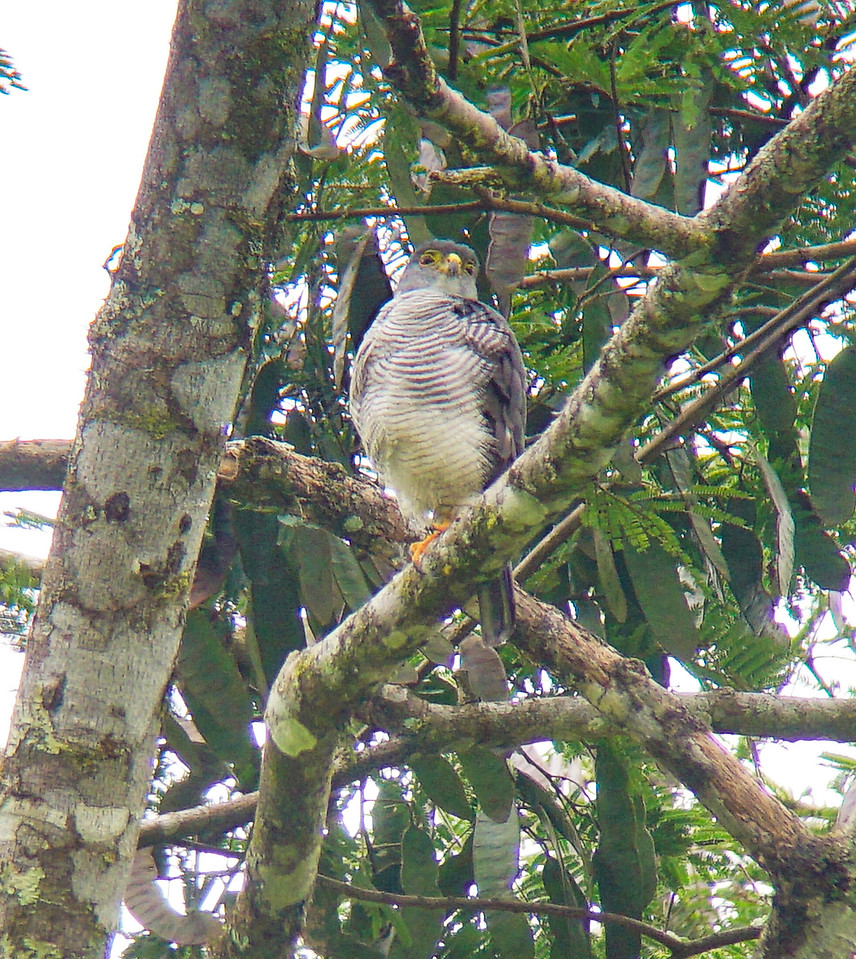
Tiny Hawk
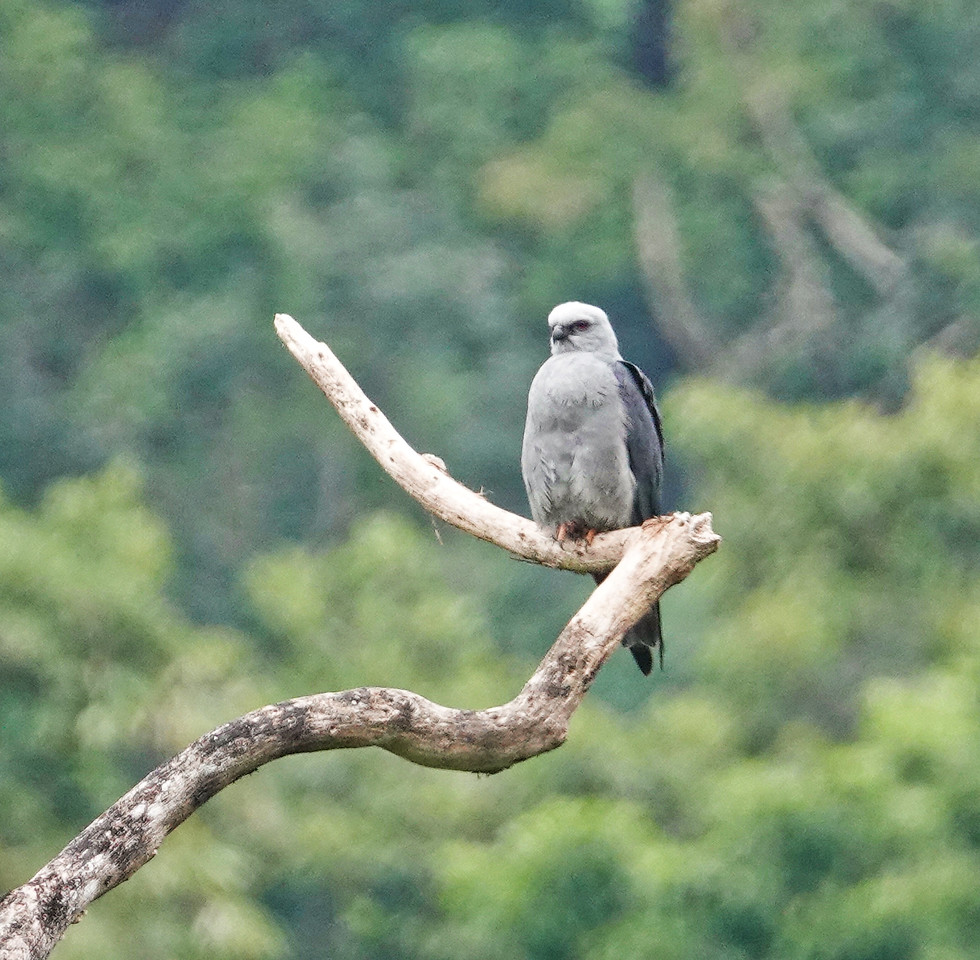
Plumbus Kite
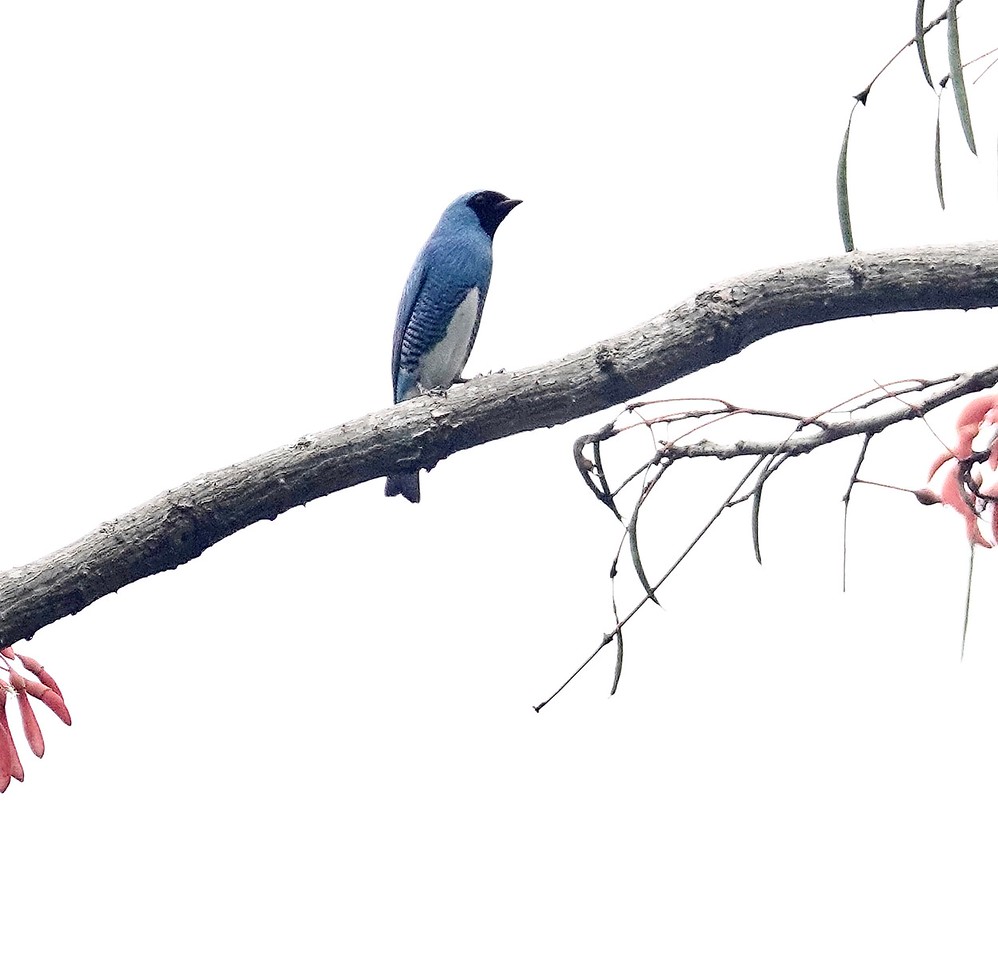
Swallow Tanager
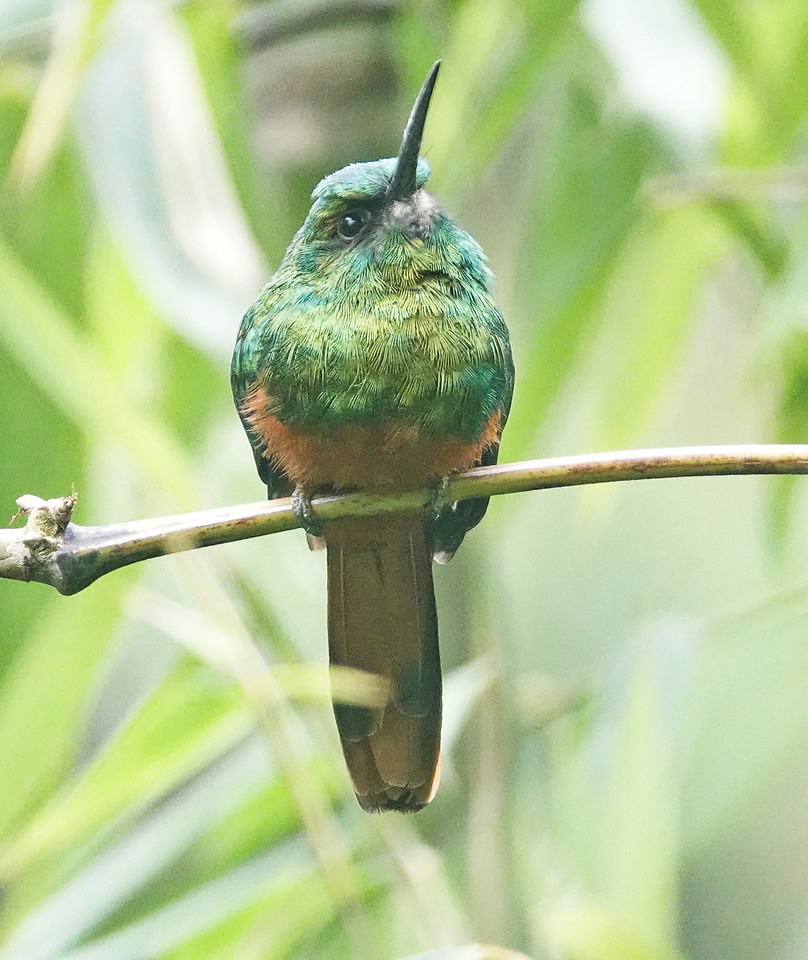
Bluish-fronted Jacamar
Long-tailed Tyrant
Chestnut-fronted Macaw
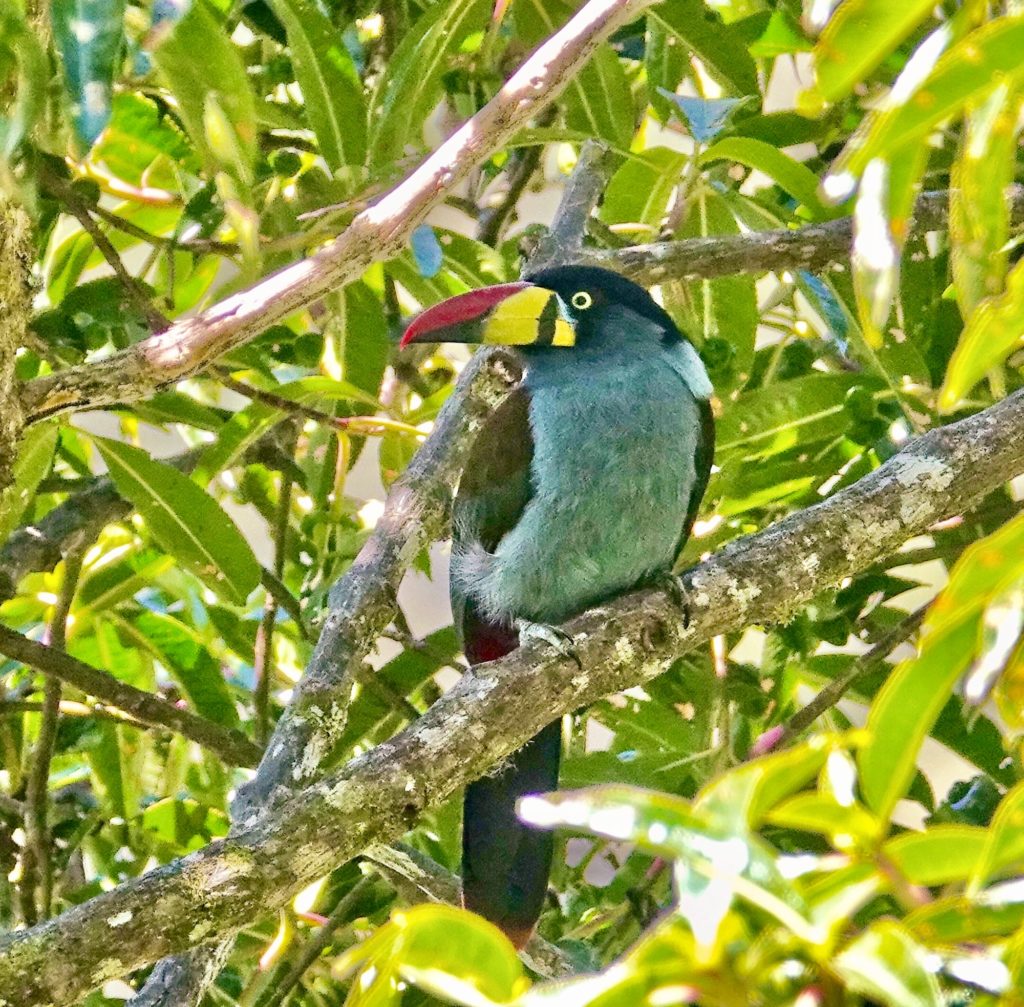
On our last day on the Manu Road, on the drive back to Cusco, we only stopped for good birds, but the Manu Road had saved one of the best for last. On a tight turn near a big waterfall we came upon several van loads of birders, all looking at a Grey-breasted Mountain Toucan. We had been looking for this bird every day for 7 days, and here it was!
And that is the way it is on the Manu Road. You never know exactly what you will or will not see, but everyday you spend there you can count on great birds, great butterflies, and great scenery.
For more information on Wayqecha Biological Station and Birding Lodge, Villa Carmen Biological Station and Reserve and Amazon Journeys, visit Amazon Journeys.
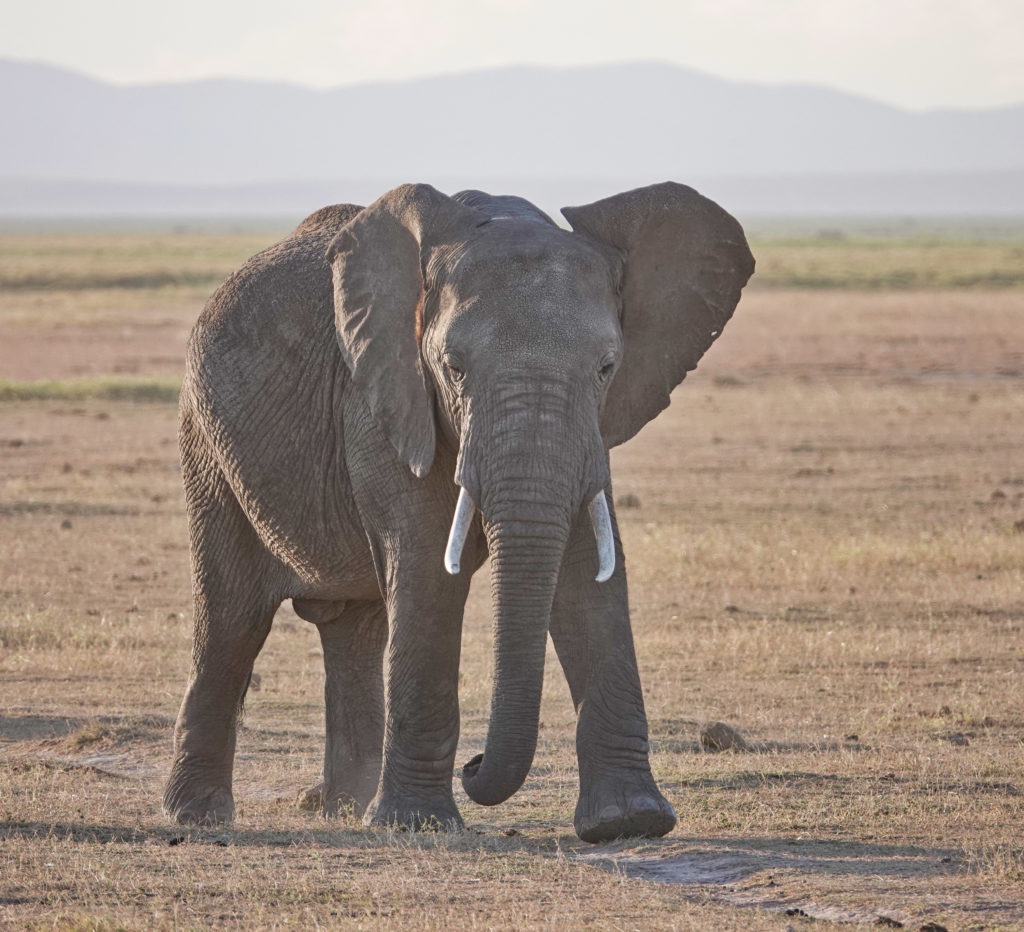
In September, 2018, I traveled to Kenya with my Sony RX10iv for 12 days in the Parks and Refuges, photographing wildlife, birds, and landscapes. It was an amazing journey, which I made into a book. I have posted it here as a PDF, for your viewing pleasure. It will take a few moments to load.